
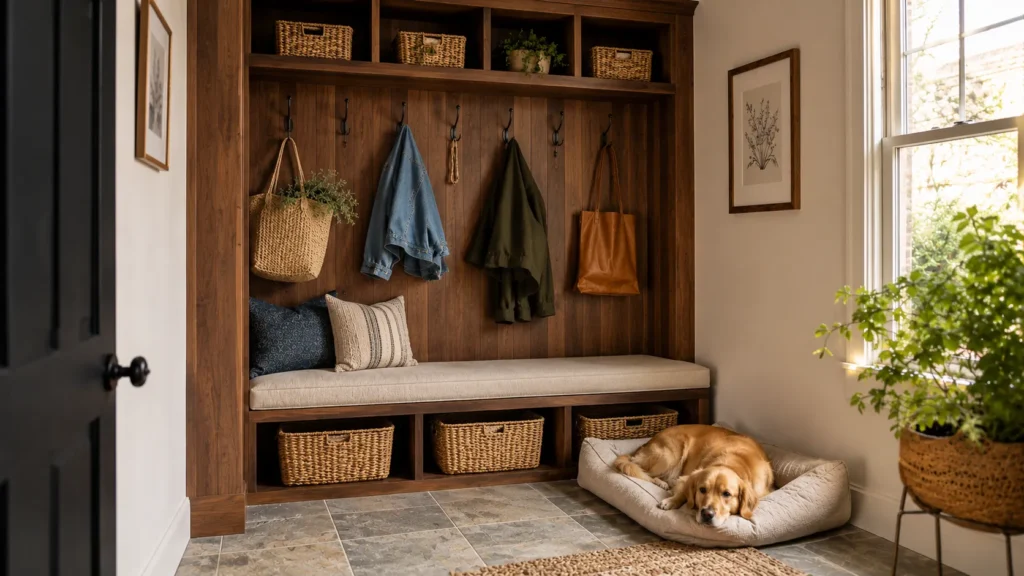
Your mudroom is probably lying to you right now. It looks fine when you glance at it on your way out the door, but the second guests come over, or winter hits full force, that little entry space turns into a pile of boots, backpacks, and mystery mittens nobody claims. I have walked into more than a few client homes where the mudroom was an afterthought, and it always shows first. The good news is that fixing it does not require a full renovation or a five-figure budget. A few smart changes, chosen with your actual daily chaos in mind, can turn that space into the hardest-working room in your house.
My Design Notes
When I was working on a project just outside Minneapolis, my clients had a young family, a hockey obsessed kid, and one very muddy golden retriever who treated the side door like his personal car wash. Their mudroom was basically the garage entrance, and by January it was a graveyard of soaked gloves and stray shin guards.
I almost pushed them toward full custom lockers, the kind you see in every glossy magazine spread. But when we sat down with the numbers, it did not make sense for their budget or their timeline. So we pivoted. We built a simple painted bench with storage underneath, added a forty dollar hook rail from the local hardware store, and laid down a porcelain tile that mimics slate for about nine dollars a square foot.
Two Minnesota winters later, that floor has not shown a single scuff, and the bench still looks brand new. I share this story with almost every client now, because it proves you do not need the Pinterest version of a mudroom to get one that actually works for your life.
11 Mastering the Mudroom: Elevated Ideas for an Unforgettable Entryway
1. Mix Open and Closed Storage
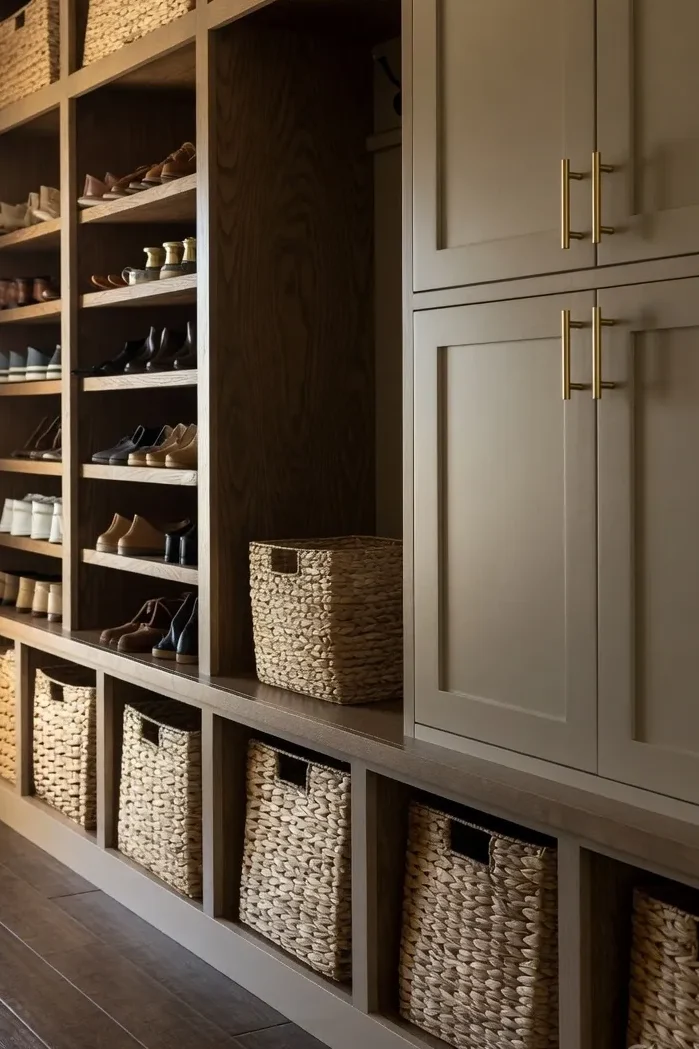
The biggest mistake I see in mudrooms that never feel finished is picking one type of storage and sticking with it. Open cubbies look great in photos, but they only work if everyone in your house is naturally tidy, and let’s be honest, that’s rarely the case. What actually functions day to day is a blend. Open shelving for the things you grab constantly, like shoes and bags, paired with closed cabinets or drawers for the stuff you want hidden, like seasonal gear or that one drawer of tangled dog leashes.
A quick trick I’ve learned is to keep the open sections at eye level or lower, since that’s where people naturally reach, and push the closed storage higher up or into a bench. It keeps the room looking calm even when life isn’t.
2. Install a Bench That Actually Earns Its Keep
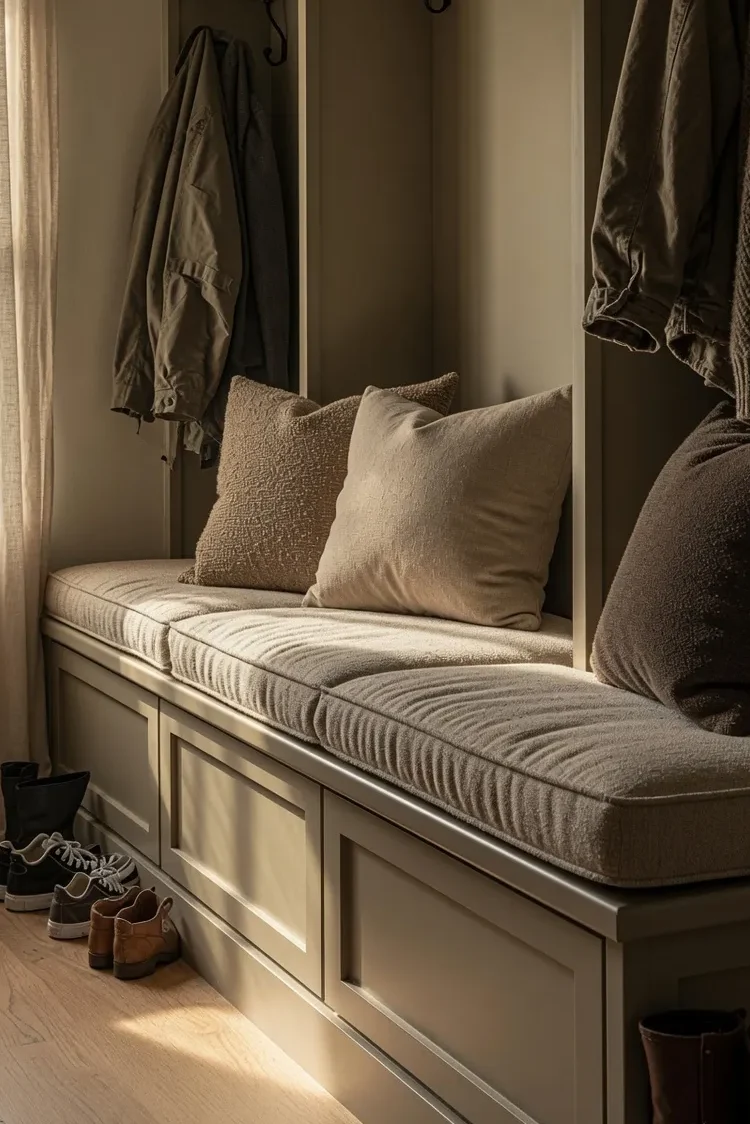
A bench is one of those features that seems simple until you actually sit on it every single day for shoes and coats. Cheap ones wobble, and the wrong material stains within a month.
Here’s what I tell clients when they’re choosing:
- Painted wood holds up better than you’d think and is easy to touch up
- Upholstered cushions look cozy but need a performance fabric if pets or kids are involved
- Built-in benches with storage underneath almost always outperform freestanding ones
One thing to watch out for is skipping the storage underneath entirely just to save on cost. That space beneath a bench is often the most useful square footage in the whole room, and leaving it out is a decision you’ll regret by winter.
3. Go Vertical With Lockers for Multi-Kid Families
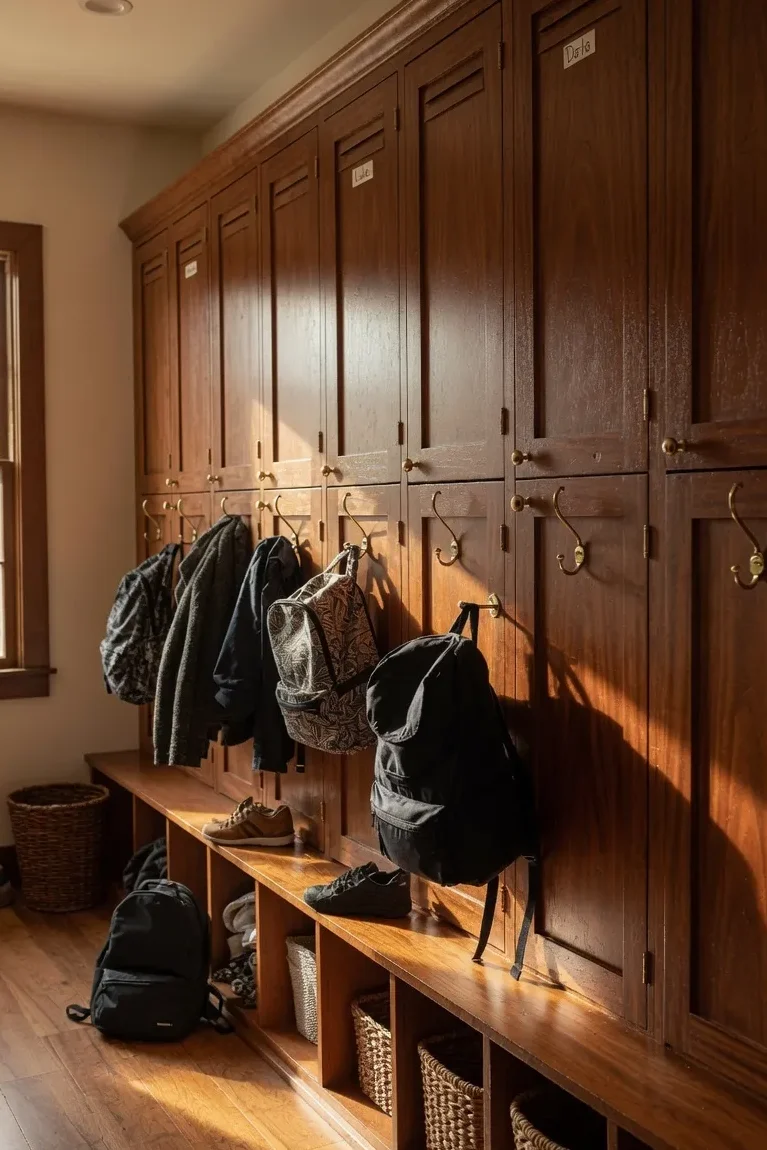
If you’ve got more than one kid coming through the door with backpacks, cleats, and whatever science project didn’t make it home in one piece, individual lockers change everything. Each person gets their own zone, which cuts down on the daily argument over whose shoes are whose.
You don’t need custom millwork to pull this off. IKEA hacks and semi-custom cabinet lines can get you eighty percent of the look for a fraction of the price, and honestly, most guests can’t tell the difference once everything is painted the same color and fitted with matching hardware. The real win here isn’t aesthetic though; it’s peace. A locker system means less yelling about missing homework folders, and more mornings that actually run on time.
4. Choose Flooring That Can Take a Beating
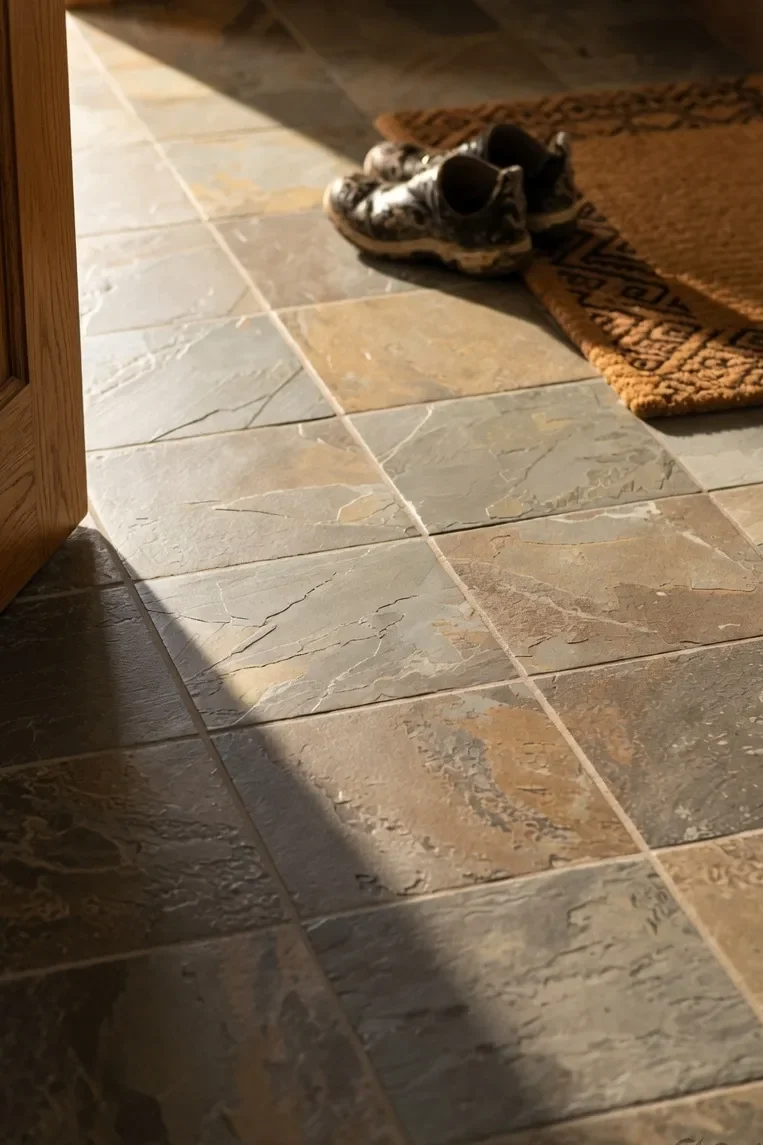
Mudroom floors deal with more abuse than almost any other surface in your home, so this isn’t the place to get precious about materials. Large format porcelain tile is my go-to recommendation for most projects because it handles moisture, hides footprints in a mid-tone color, and doesn’t chip the way natural stone sometimes does.
Luxury vinyl plank is a solid budget-friendly alternative if tile feels like too much of an investment right now. Just steer clear of light grout lines no matter which route you choose, since they turn gray within a season and make the whole floor look dingy even when it’s clean.
5. Make Small Mudrooms Work Harder
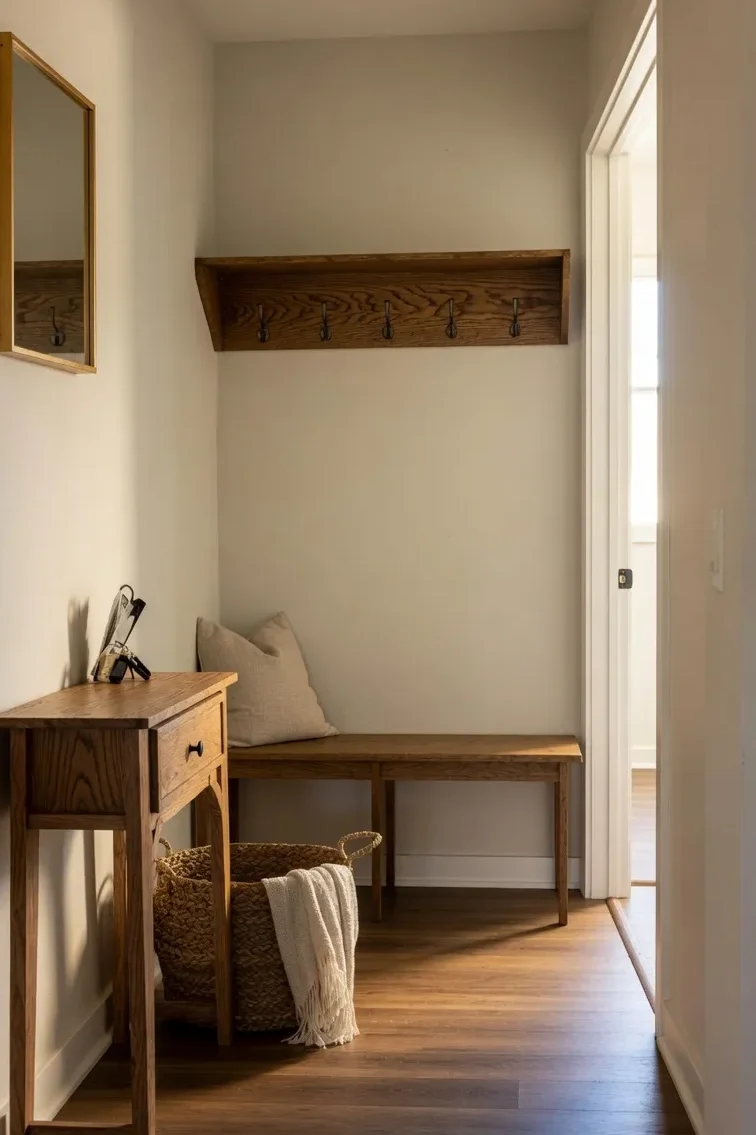
Not everyone has the luxury of a dedicated room off the garage, and honestly, some of the most charming mudrooms I’ve designed were squeezed into a hallway no wider than three feet. Small spaces just need smarter choices, not bigger budgets.
A narrow bench with hooks mounted above, a slim console table for keys and mail, or even a converted closet under the stairs can do the job beautifully. Fold-down seats that tuck flat against the wall are another favorite of mine for tight spots, since they give you a place to sit without eating up floor space the rest of the day.
6. DIY Hooks and Hardware Upgrades for Renters
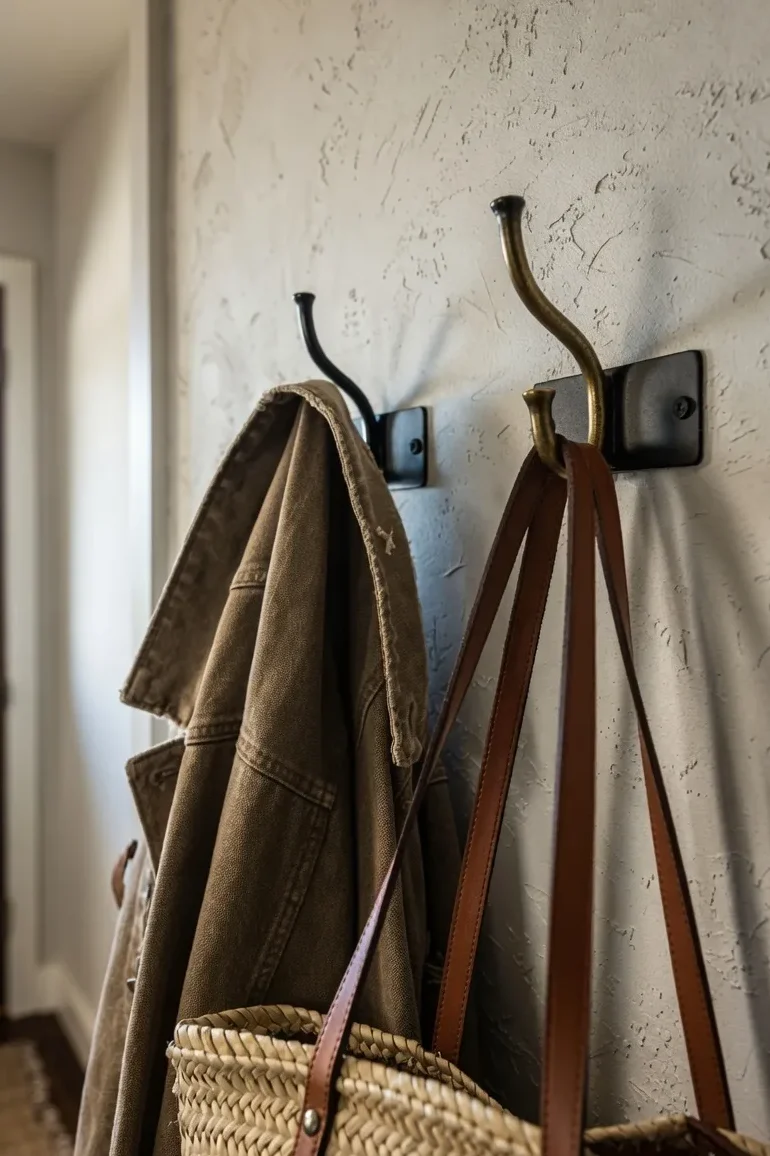
If you’re renting or just not ready to commit to a renovation, hardware is your best friend. Swapping generic coat hooks for something with a little personality- brass, black iron, colorful ceramic, whatever fits your style- is one of the cheapest ways to make a boring entry feel intentional.
A few ideas that require zero permanent changes:
- Adhesive hook rails that hold real weight without damaging walls
- A freestanding coat rack styled with baskets underneath
- Removable wallpaper on a single accent wall for personality without commitment
None of this requires a landlord’s permission, and most of it can be undone in an afternoon if you move.
Top 6 Mudroom Ideas
| Idea | Estimated Price | Maintenance |
|---|---|---|
| Mudroom Bench with Storage | $300 to $900 | Medium |
| Lockers for Multi-Kid Families | $600 to $2,500 | Low |
| Porcelain Tile Flooring | $9 to $15/sq. ft. | Low |
| DIY Hooks and Hardware | $30 to $150 | Low |
| Combined Mudroom and Laundry | $2,000 to $8,000 | Medium |
| Pet Wash Station | $500 to $3,000 | High |
7. Combine Mudroom and Laundry Without It Feeling Cramped
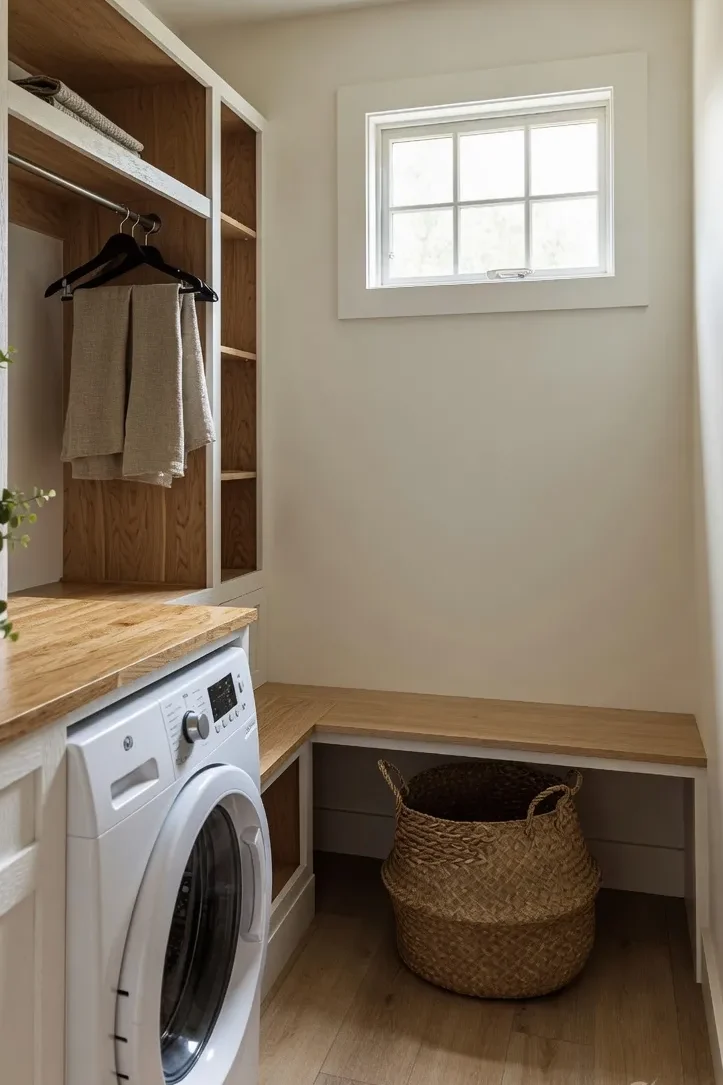
Pairing your mudroom with the laundry room makes a lot of sense on paper, since you’re already tossing muddy clothes somewhere anyway. The tricky part is layout. Cram a washer and dryer next to a bench without thinking it through, and you’ll end up with a room where two people can’t move at the same time.
I always recommend mapping out your daily flow before committing to a floor plan here. Where do shoes come off first? Where does the laundry basket land? Getting that sequence right matters more than any finish you choose. Ventilation also becomes a bigger deal in a combined space, so don’t skip a proper exhaust fan just to save a little money upfront.
8. Build a Pet Station That’s Actually Low Maintenance
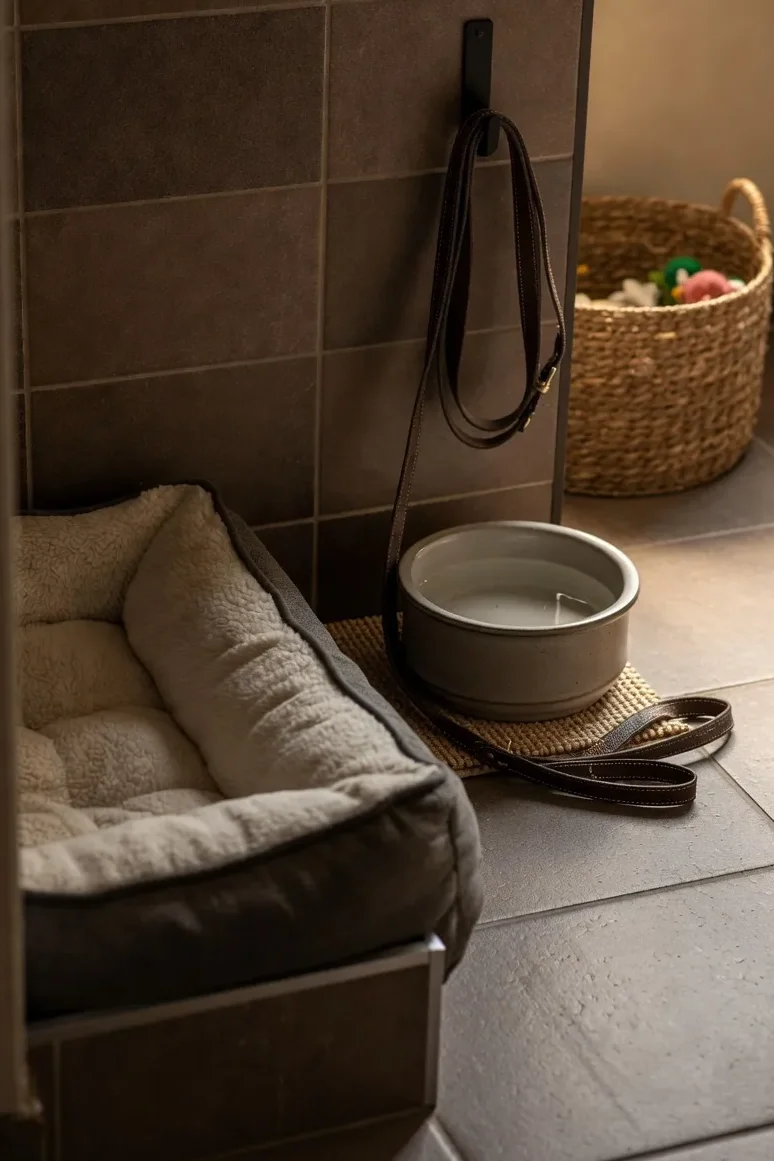
Every pet owner I’ve worked with wants the adorable built-in dog bed tucked into the cabinetry, and I get it, they’re charming. But the photos rarely show what happens after six months of muddy paws.
If you’re adding a pet zone, prioritize function first. Washable surfaces, a drain nearby if you’re including a wash station, and materials that don’t trap odor will save you more headaches than a pretty enclosure ever will. My clients with active dogs almost always end up happiest with a simple tiled nook and a removable, machine-washable bed rather than anything built in and hard to clean.
9. Add a Seasonal Rotation System
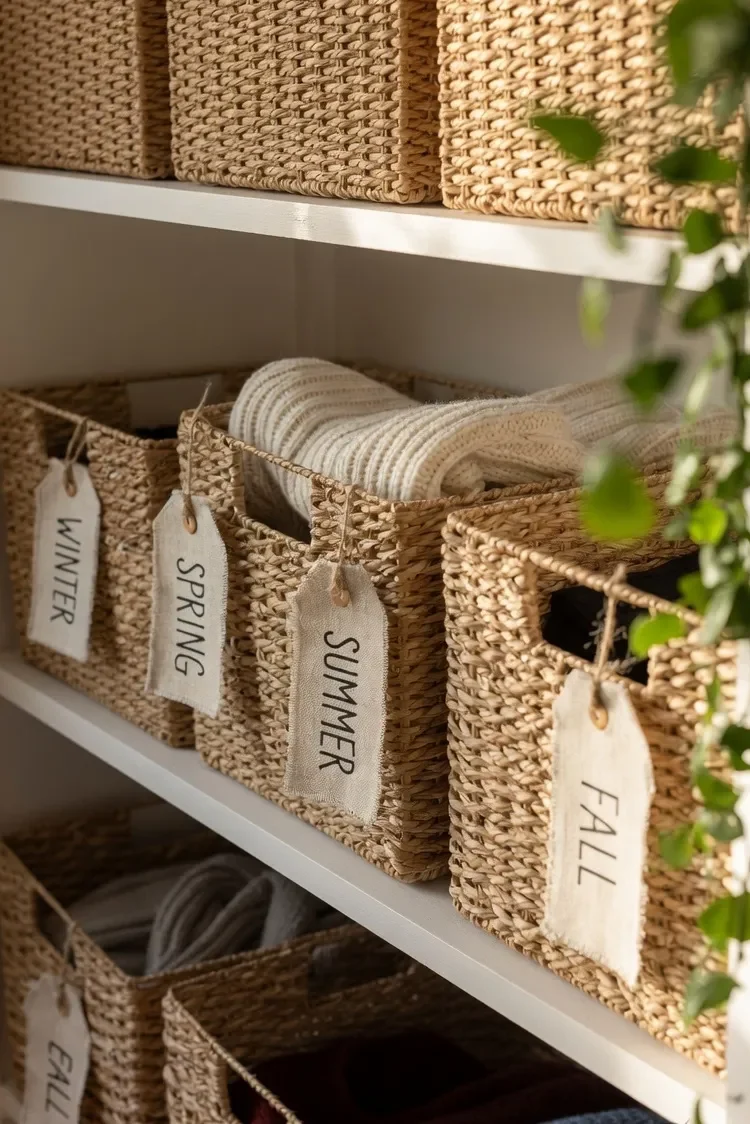
This is one of those ideas that sounds almost too simple to matter, but it changes everything once you actually do it. Twice a year, swap out what’s living in your mudroom based on the season. Heavy coats and snow boots get stored away come spring, and sandals or rain gear take their place.
I like using labeled bins on a top shelf or in a nearby closet for whatever’s out of rotation. It keeps the visible storage from overflowing with things you won’t touch for months, and it makes the whole space feel intentional rather than like a dumping ground that just keeps growing.
10. Use Color and Pattern Strategically
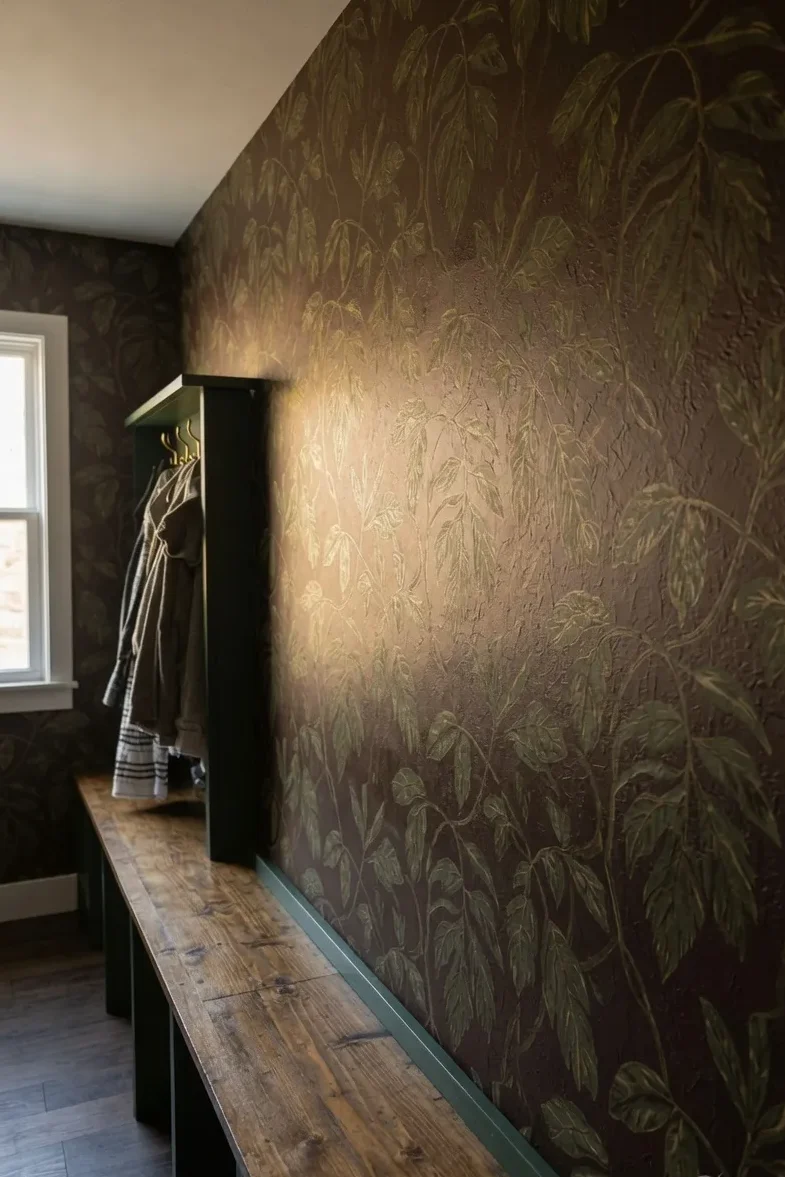
A mudroom is one of the few rooms in your home where you can genuinely have fun with color without worrying about resale value or long term commitment. It’s not a living room, so a bold wallpaper or a saturated paint color reads as charming rather than risky here.
That said, practicality still matters more than people expect. Choose a durable, scrubbable paint finish, something in eggshell or satin rather than flat, since flat finishes show scuffs almost immediately in a high-traffic space like this. If you’re drawn to wallpaper, look for a vinyl or washable option. We’ve used peel-and-stick versions on plenty of projects, and they hold up surprisingly well against backpacks and wet umbrellas brushing past all day.
11. Know When to DIY vs Call a Contractor
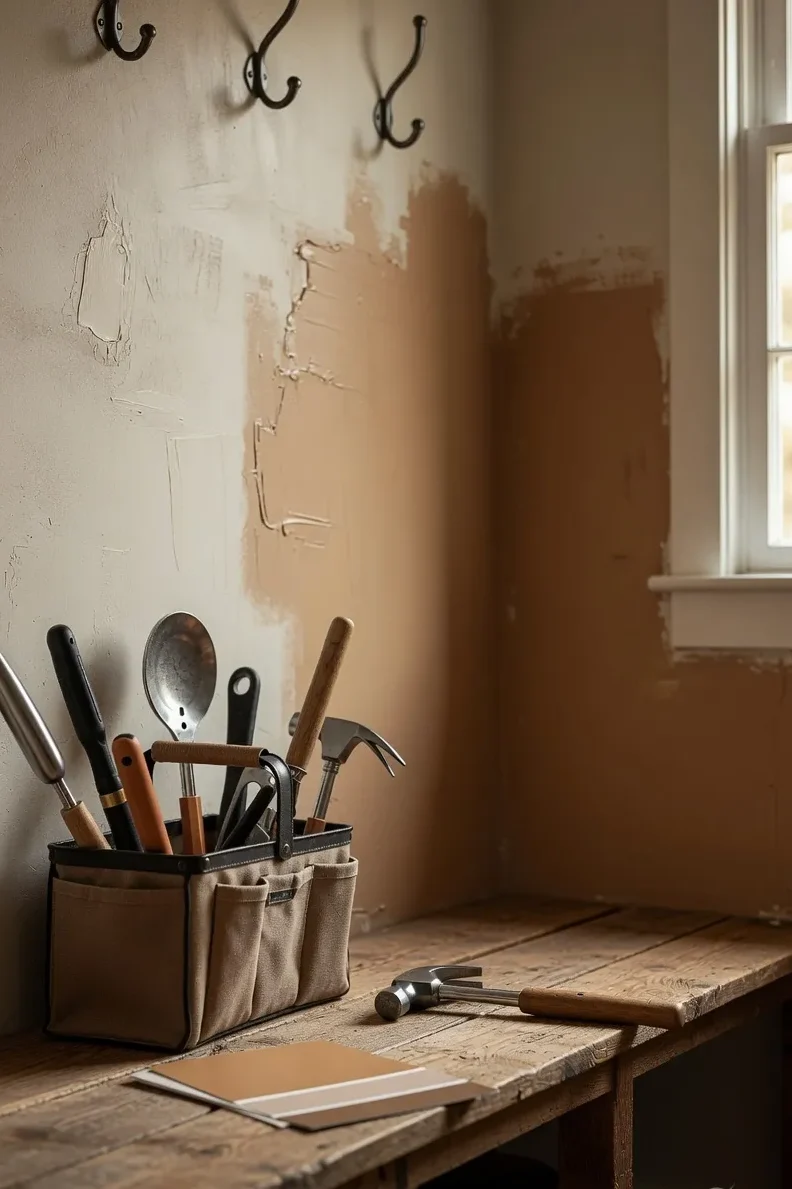
This is the question I get asked most, and the honest answer depends on what you’re changing. Hooks, paint, a freestanding bench, new hardware, all of that is well within DIY territory for most homeowners and can transform a space in a weekend.
Where it gets more complicated is anything involving plumbing, electrical work, or structural changes like knocking out a closet wall. That’s when I tell clients to bring in a contractor, even if it feels like an unnecessary expense at first.
A few signs you need professional help:
- You’re adding a sink or relocating plumbing lines
- The project involves moving or removing walls
- You need new electrical outlets or lighting circuits
The biggest mistake I see homeowners make is skipping ventilation and drainage planning to save money upfront, only to deal with moisture problems a year later that cost far more to fix than if they’d planned properly from the start.
Which Mudroom Path Is Yours?
By Budget
Starter Setup
- Hook rail plus a freestanding bench
- Peel and stick tile or washable wallpaper
- Baskets from a home store for quick sorting
Investment Upgrade
- Custom or semi-custom lockers
- Built-in bench with hidden storage
- Porcelain tile flooring throughout
By Lifestyle
Busy Families
- Individual lockers or cubbies per person
- Seasonal rotation system for gear
- Durable, scrubbable surfaces everywhere
Small Space Households
- Narrow bench with hooks mounted above
- Fold-down seating that tucks away
- Slim console table instead of a full bench
Pet Owners
- Washable, low maintenance surfaces
- Removable pet bed over built-in options
- Tiled nook near an exterior door
Renters and Short Term Homes
- Adhesive hooks and removable hardware
- Freestanding coat rack with baskets
- Peel and stick wallpaper for personality
Frequently Asked Questions
How much does it cost to add a mudroom to your home?
The average cost falls between 5,000 and 25,000 dollars depending on size and finishes. A simple bench and hook setup in an existing hallway costs far less than building out a new room from scratch.
Does a mudroom add value to your home?
Yes, it does, especially for buyers with kids or pets who want organized entry storage already in place. Realtors often see it as a practical selling point rather than a purely cosmetic upgrade.
What is the standard size for a mudroom?
Most mudrooms range from 50 to 100 square feet, though even a 3-foot-wide hallway can function well with the right layout. Size matters less than smart storage choices.
Can I turn a closet into a mudroom?
Absolutely, this is one of the easiest small space fixes out there. Remove the doors, add hooks and a shelf, and you’ve got a functional drop zone in a weekend.
What flooring is best for a mudroom with pets?
Porcelain tile in a mid-tone color is the top choice for pet households since it hides fur and mud while resisting scratches. Avoid light grout, as it stains fast with paw prints.
Conclusion
Your mudroom doesn’t need a magazine budget to earn its place in your home. It just needs a plan that actually fits how you and your family live day to day. Pick one idea from this list, even something as small as a new hook rail or clearing off that one cluttered shelf, and start there this weekend. Small changes stack up fast, and before long that entryway stops being a source of stress and starts feeling like the calm, organized welcome your home deserves.
