
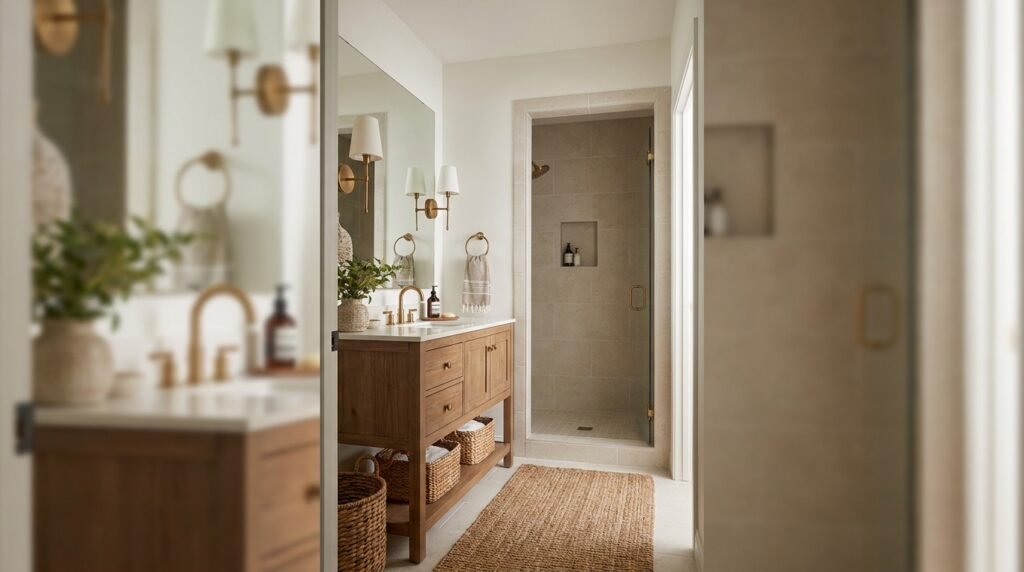
Your bathroom probably has at least one mistake in it right now, and you walk past it every single day without noticing. I’ve walked into hundreds of American bathrooms over the years, from tiny apartment powder rooms to sprawling primary suites, and the same handful of errors show up again and again, no matter the budget. The frustrating part is that most of these aren’t expensive to fix once you know what to look for. This article breaks down the 13 mistakes I see most, and exactly how to correct each one before your next guest notices.
My Design Notes
When I was working with a client in a Chicago high rise a few years back, she called me in a panic about six months after finishing what she thought was a simple bathroom refresh. She had put in white subway tile, brass fixtures, and a cute boucle stool by the tub, and it looked incredible in the after photos. But the grout had already gone gray in the shower, the boucle was matted and stained from humidity, and the brass had started blotching in random dark patches near the sink. My first move was just to sit with her in the space and ask what she loved most about it, because the goal was never to gut the room again. We swapped the grout for a color that could actually hide hard water buildup, sealed the brass properly, and replaced the stool with a teak one that could handle steam without flinching. It ended up costing her less than three hundred dollars to fix everything that the original renovation had gotten wrong. I think about that project constantly, because it’s such a clean example of how small material choices, made without thinking through daily use, can undo an otherwise beautiful room.
13 Mastering the Essential Fixes for a Stunning, Guest Ready Bathroom
1 Skipping Ventilation Until Mold Shows Up
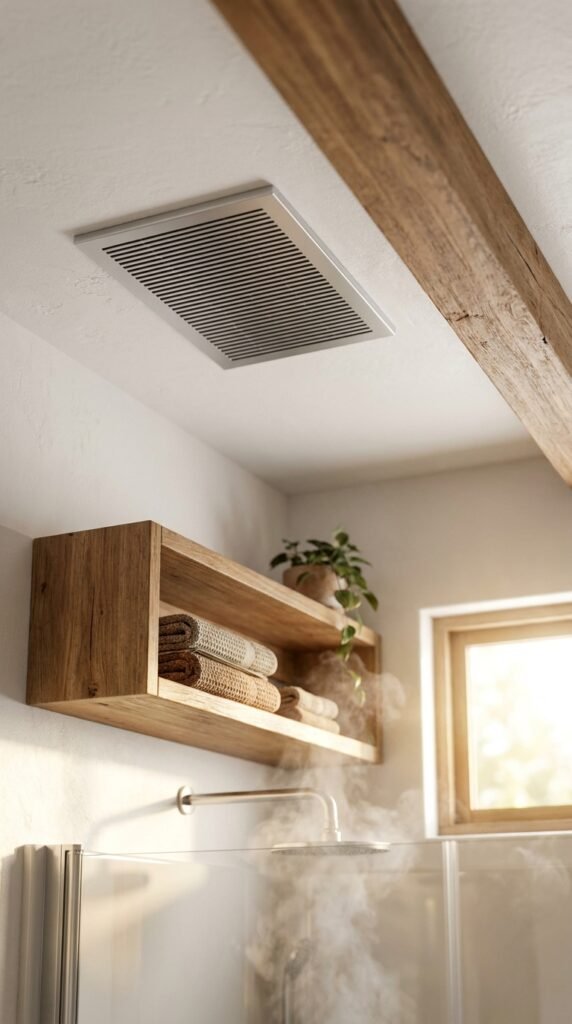
This is the one I see cause the most long-term damage, and it’s almost always invisible until it isn’t. A bathroom without a working exhaust fan is basically a greenhouse for mold, and by the time you spot the black spots creeping along your ceiling corners, the problem has usually been building for months. Run your fan during every shower and for at least twenty minutes after, even if the mirror doesn’t fog up much. If your fan sounds like a jet engine or barely moves air at all, it’s worth replacing with a quieter, higher CFM model before you spend a dollar on anything decorative.
2 Choosing Style Before Function
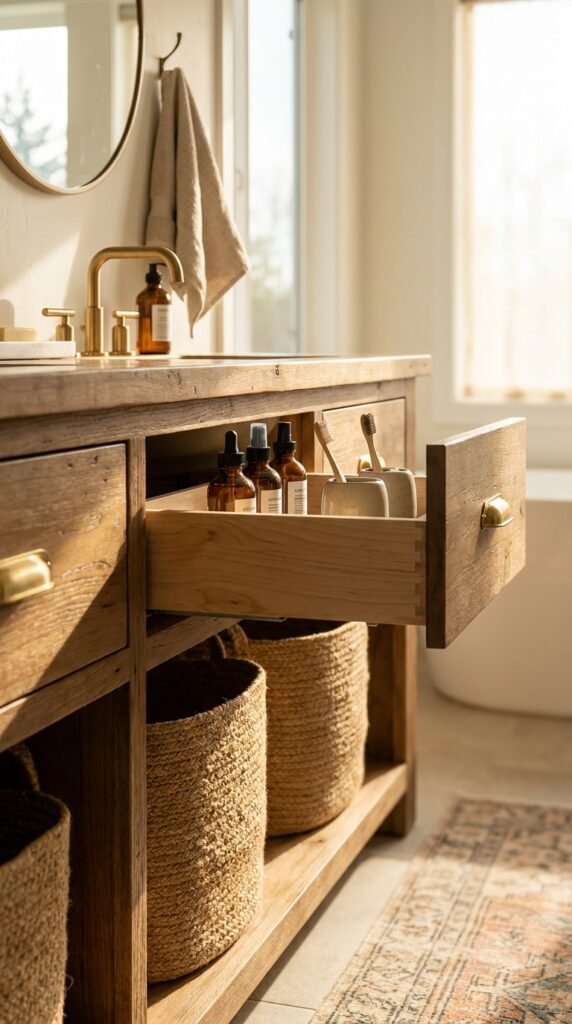
I understand the instinct completely. You see a gorgeous vanity online and fall in love before thinking about whether it actually holds your toothbrush, your skincare routine, and your partner’s stuff too. But form without function just means you’ll be storing overflow in a plastic bin under the sink within a month, which defeats the whole purpose of the upgrade. Before you pick anything pretty, map out what actually needs to live in that room and how much space it realistically takes up. A quick trick I’ve learned is to empty your current cabinet onto the counter and photograph it, because seeing the actual volume of stuff you own is far more useful than guessing.
3 Going All White With No Texture Variation
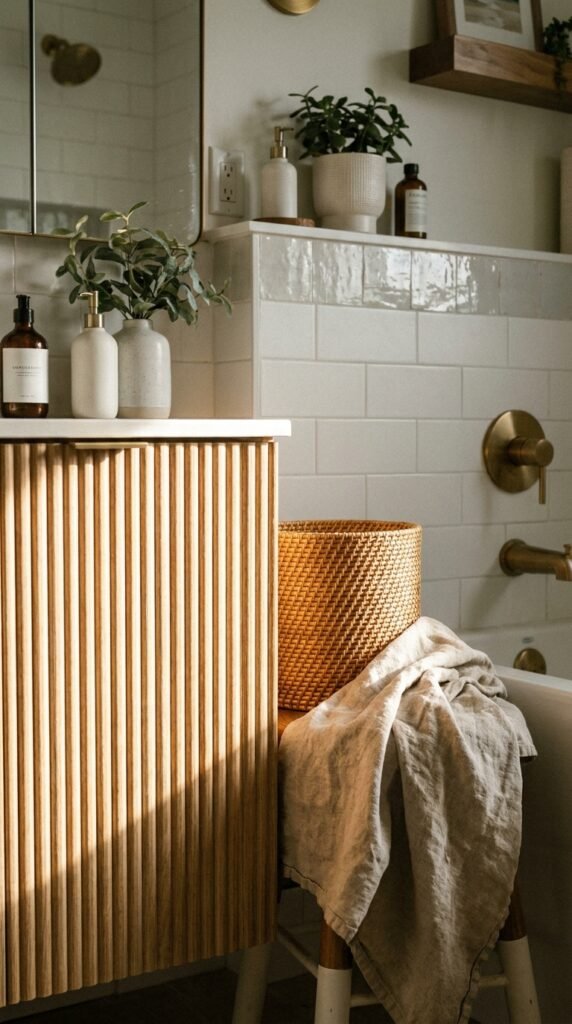
All white can look stunning in photos and feel flat and clinical in real life. The trouble is that white on white on white removes every visual cue your eye uses to register depth, so the room ends up feeling smaller and colder than it actually is. Mixing in texture solves this without touching the color palette at all.
- A ribbed or fluted vanity front adds dimension without adding color
- Matte tile paired with a glossy accent tile keeps things from feeling one note
- A woven basket or linen towel breaks up the sterile feel instantly
4 Undersized Mirrors That Kill Natural Light
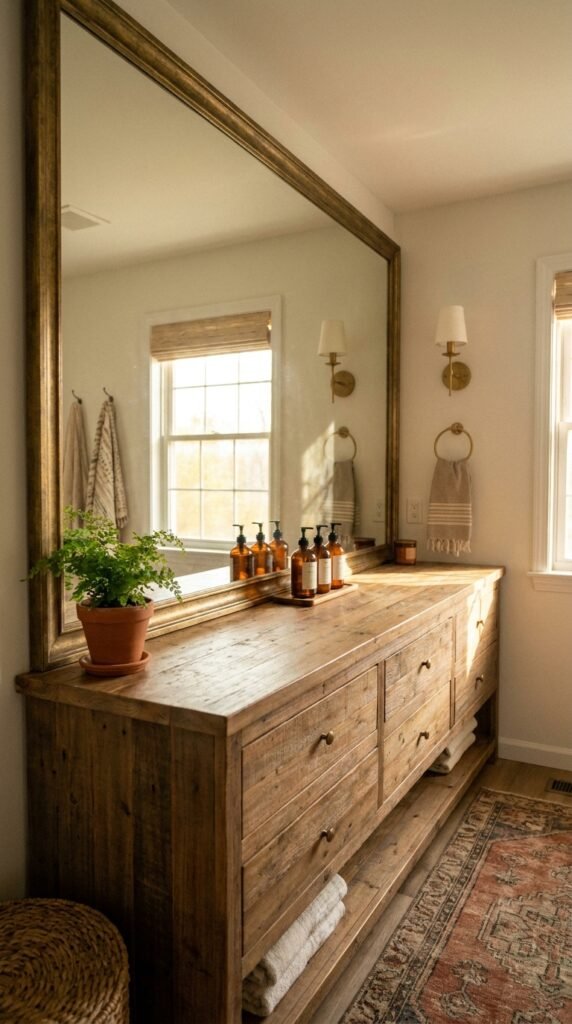
Most builder-grade bathrooms come with a mirror that’s just slightly smaller than the vanity below it, which is honestly such a missed opportunity. A mirror that spans closer to the full width of your counter, or one that runs taller toward the ceiling, bounces far more available light back into the room. I’ve swapped tiny medicine cabinet mirrors for a single wide piece more times than I can count, and it’s consistently one of the highest-impact, lowest-cost changes a bathroom can get. One thing to watch out for is hanging it too high just because the plumbing rough-in suggests a certain height. Center it at actual eye level for the people using the room, not at whatever height feels architecturally tidy.
Which of these 13 mistakes are you most guilty of in your own bathroom right now?
5 Ignoring Scale In Small Bathrooms
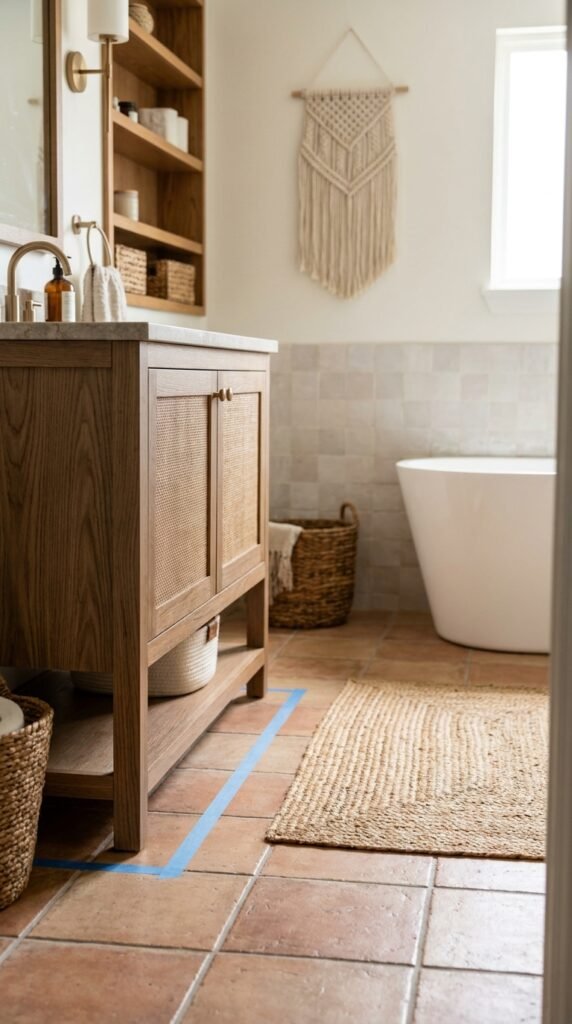
Scale mistakes are sneaky because on paper, the numbers can look fine. A vanity that’s technically the right width can still feel wrong once it’s installed if the depth crowds the walkway, or if the tub eats up so much floor space that the door barely clears it. In a small bathroom, every inch you save on furniture and fixtures becomes an inch of breathing room for the whole space. I always tell clients to tape the actual footprint of a new piece onto the floor with painter’s tape before ordering anything, because walking around that outline for a day tells you more than any measurement on a spec sheet.
6 Cheaping Out On The Faucet Finish
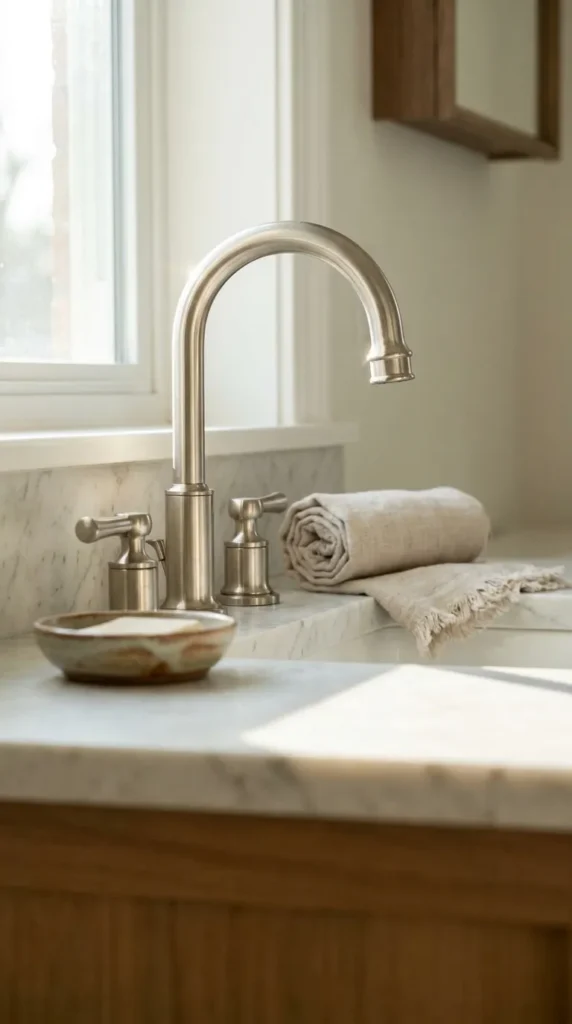
The faucet gets touched more than almost anything else in the room, and a budget finish shows that wear fast. Chrome plating over a cheap base metal will start flaking or dulling within a couple of years, while a solid brushed nickel or matte black finish tends to hold up through years of daily use without looking tired. This doesn’t mean you need to spend a fortune. It means spending your budget in the right place, since a mid-range faucet in a durable finish will outlast a fancy-looking one that’s plated on the cheap.
Top 6 Bathroom Fixes
| Idea | Estimated Price | Maintenance |
|---|---|---|
| Regrout with gray or greige grout | $300 – $800 | Low |
| Upgrade to a wide vanity mirror | $150 – $500 | Low |
| Layered sconce lighting at the mirror | $200 – $600 | Low |
| Swap faucet to durable finish | $150 – $450 | Low |
| Low pile non-slip bath rug | $30 – $100 | Medium |
| Recessed shower storage niche | $400 – $1,200 | Low |
7 Getting Grout Color Wrong
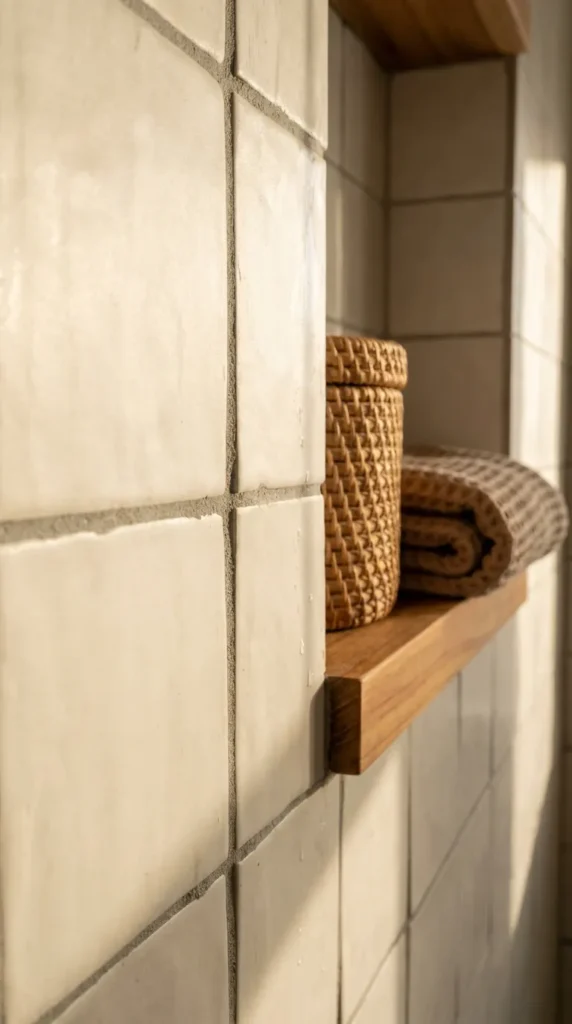
Grout color decisions get made in about thirty seconds at the tile store, and then homeowners live with the consequences for a decade. White grout looks incredible on day one and genuinely difficult to maintain in a household with hard water, kids, or a shower used daily. A gray or greige grout hides the reality of daily use while still reading as clean and intentional.
- Light grout photographs beautifully but stains fastest
- Mid-tone grays hide water spots and soap scum the longest
- Dark grout works well with light tile for contrast that never looks dirty
8 Relying On A Single Overhead Light
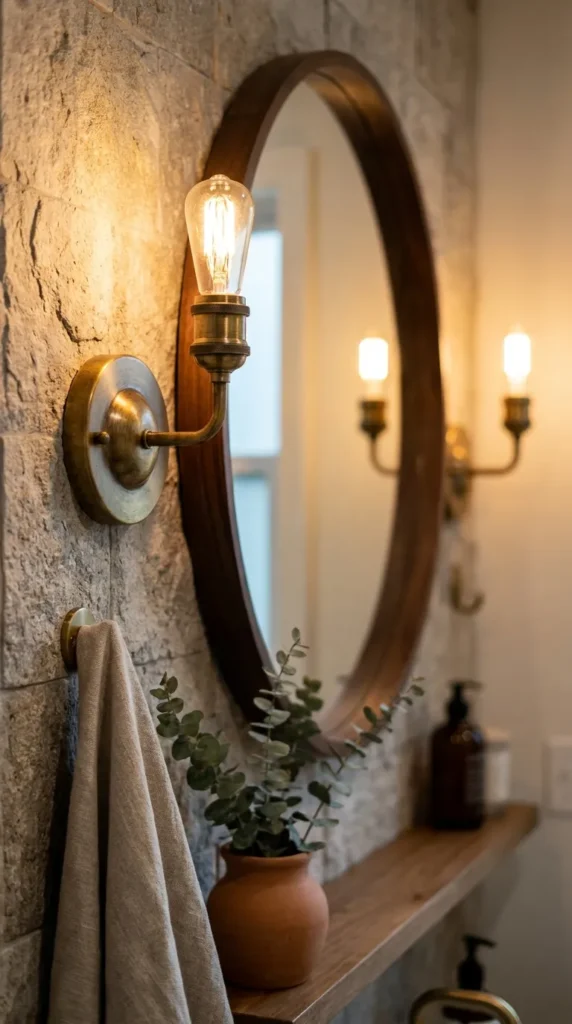
One flush mount fixture in the ceiling is doing an enormous amount of work it was never designed for, and it shows in the shadows under your eyes every time you look in the mirror. Bathrooms genuinely benefit from layered lighting the same way a living room does, with task lighting at the mirror, ambient light overhead, and maybe an accent layer near the tub if you have one. Sconces mounted at eye level on either side of the mirror make the single biggest difference here, since they eliminate the harsh shadows that overhead lighting alone always creates. Warm bulbs in the 2700K to 3000K range also make skin tones look far more forgiving than the cool white bulbs most builder-grade fixtures ship with.
9 Choosing High Maintenance Materials For Looks Alone
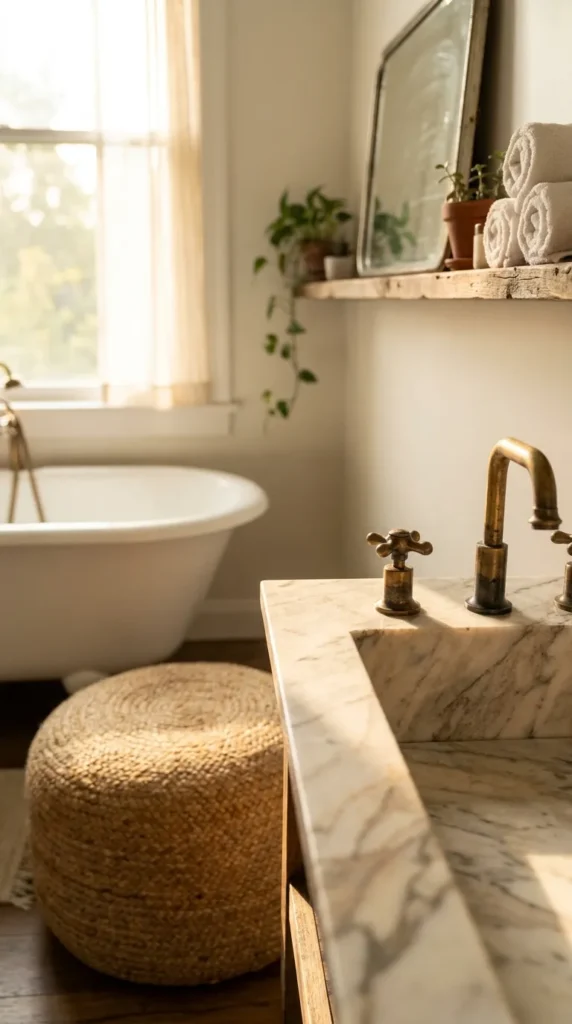
Unlacquered brass, porous natural stone, and boucle upholstery all photograph beautifully, and all three require real upkeep in a room that deals with steam and splashing water every single day. Unlacquered brass will develop a living patina over time, which some people love, and others find looks neglected within months. Porous stone like marble or travertine needs regular sealing, or it stains the first time someone leaves a bottle of shampoo sitting in a puddle. If you’re drawn to these materials, that’s completely understandable; they’re gorgeous. Just go in knowing the maintenance schedule ahead of time rather than discovering it the hard way.
Is your grout actually gray, or has it just gone that way over time?
10 Adding Rugs That Create Slip And Mold Risk
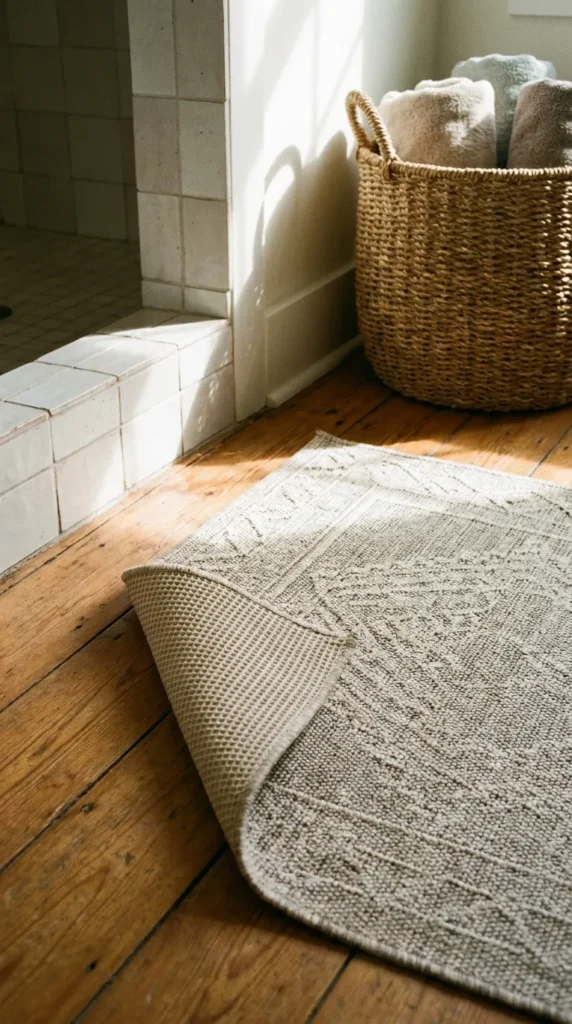
A bathroom rug adds warmth underfoot, but the wrong one turns into a genuine hazard fast. High pile rugs stay damp long after you’ve dried off, which makes them a breeding ground for mildew, and rugs without a rubber backing slide on tile the moment they get wet. A low pile or flatweave rug with a non-slip backing solves both problems at once, and it dries out between uses instead of holding moisture against the floor. One thing to watch out for is placing a rug directly against the tub or shower entry, since that’s the wettest spot in the room and the one place a rug will stay soaked the longest.
11 Treating Storage As An Afterthought
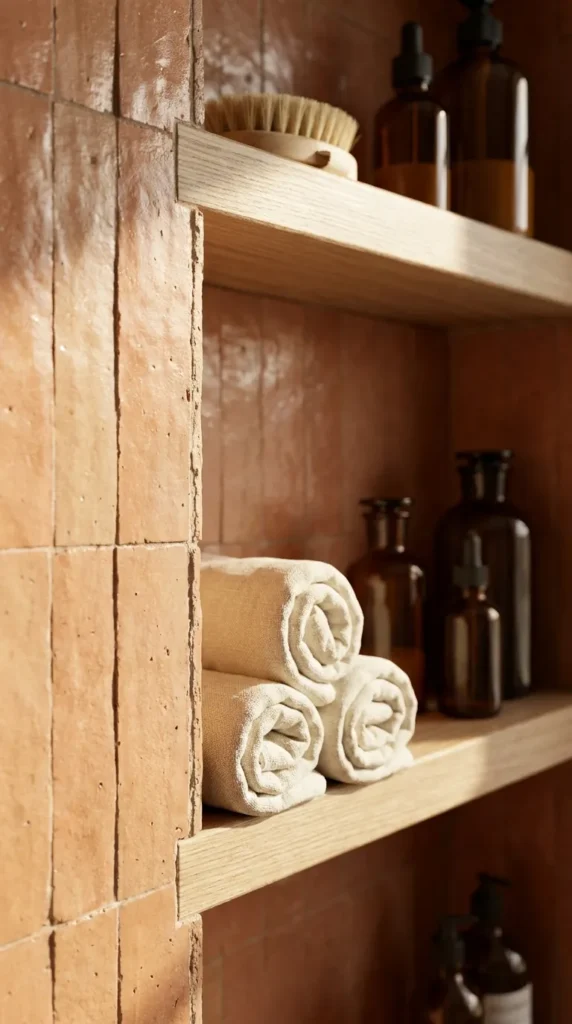
Storage tends to get planned last, after the tile and the fixtures and the paint color have already been decided, and that’s exactly backward. By the time storage gets addressed, there’s rarely a good spot left, so everything ends up crammed into a small cabinet or a bin that never quite closes properly. Planning storage first, even before you pick a single finish, means you can build shelving or cabinetry into the layout instead of squeezing it in around everything else. A few of my clients have been surprised by how much a single well-placed recessed niche in the shower can replace an entire corner caddy.
12 Blocking Natural Light With The Wrong Window Treatment
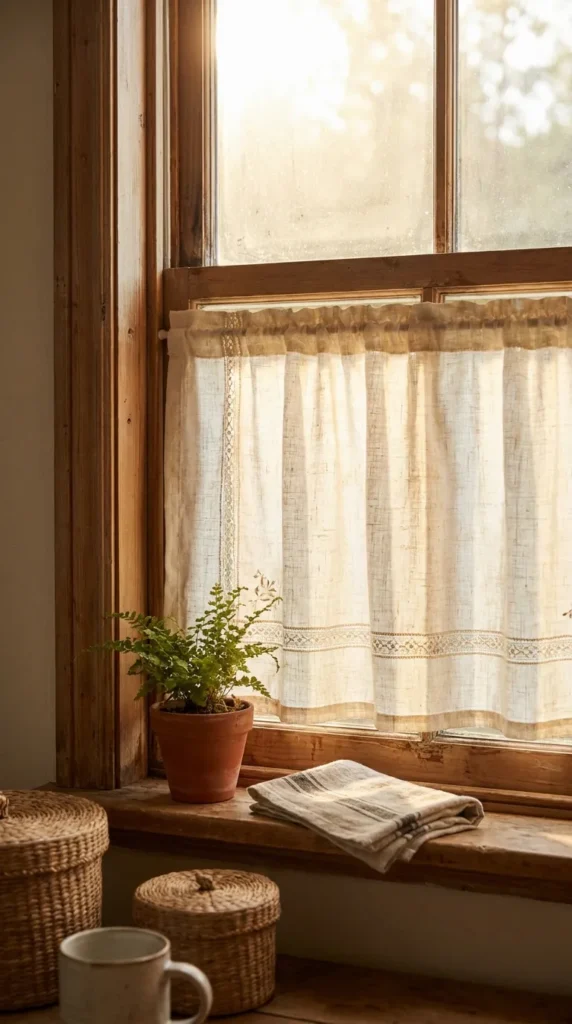
Heavy blackout curtains or frosted film that covers the whole window will absolutely give you privacy, but they also shut out every bit of daylight the room was getting. Bathrooms already tend to be smaller, more enclosed spaces, so losing that natural light makes them feel noticeably darker and less inviting than they need to be. Café curtains that only cover the bottom half of the window are a much better trade-off, since they block sightlines from outside while letting light pour in from above. A quick trick I’ve learned for renters is frosted static cling film applied only to the lower portion of the glass, which peels off cleanly whenever you move out.
13 Renovating The Whole Room For One Small Problem
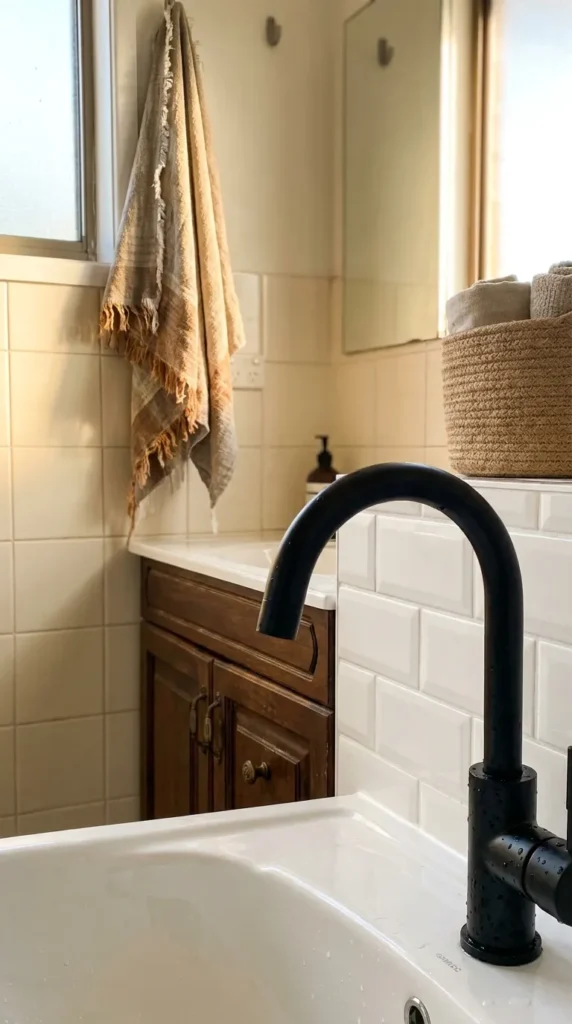
This is the mistake that costs people the most money, and I say that as someone who makes a living off bathroom renovations. Homeowners get frustrated with one thing, usually the lighting or the grout or a fixture that’s started to look dated, and they jump straight to gutting the entire room. Most of the time, the actual fix is small. Swap the light fixture, regrout the shower, replace the faucet, and see how the room feels before you commit to tearing out tile that’s otherwise in perfectly good shape. Save the full renovation for when the layout itself is genuinely not working for you, not for when one detail is bothering you more than it should.
Your Bathroom Fix Priority List
By Budget
Quick Fixes ($30 – $500)
- Start with the rug swap, cheapest and fastest safety win
- Regrout before you replace anything else, biggest visual reset for the money
- New faucet finish outlasts a full fixture replacement at a fraction of the cost
- Café curtains or window film solve privacy without losing light
Worth The Investment ($400 and up)
- A recessed shower niche eliminates clutter permanently
- Layered sconce lighting changes how the whole room feels, not just how it looks
- A wider mirror is a one-time cost with daily payoff
- Reworking storage before finishes saves you from redoing it later
By Lifestyle
Renters and Small Bathrooms
- Window film and café curtains, zero damage, zero deposit risk
- Rug swap and faucet upgrade, easy to take with you when you move
- Skip anything requiring drywall or tile work
- Scale check with painter’s tape before buying anything new
Homeowners and Long Term Spaces
- Regrouting and niche storage are worth the labor since you’ll enjoy them for years
- Ventilation upgrades protect the investment you’ve already made in the room
- Durable faucet finishes and sealed stone pay off over a decade, not a season
- Layered lighting is worth wiring in properly once, rather than patching later
Frequently Asked Questions
What is the biggest mistake people make in bathroom design?
Skipping ventilation is the one that causes real damage over time. Everything else is fixable with a weekend project, but mold from a weak exhaust fan usually means tearing into drywall.
How much does it cost to fix a bathroom mistake without a full remodel?
Most fixes run between $30 and $800 depending on what you’re correcting. Regrouting, lighting, and faucet swaps rarely require touching the layout at all.
Is white grout a bad idea for bathrooms?
Yes, but only if you’re not prepared to clean it often. Gray or greige grout hides water spots and soap scum far longer in daily-use households.
Can renters fix bathroom mistakes without permanent changes?
Absolutely. Window film, café curtains, rug swaps, and faucet upgrades all install without damaging walls or tile.
How often should bathroom grout be resealed?
Ideally every twelve to eighteen months in a shower that gets daily use. Skipping this is what leads to staining, and that grayed-out look people mistake for dirty tile.
Conclusion
None of these fixes require a contractor, a big budget, or a weekend you don’t have. Most of them take an afternoon, and the difference shows up every single morning when you walk into that room. Your bathroom deserves to feel as good as the rest of your home, not like the space you rush through. Pick one thing from this list, tape off the mirror size you actually want, order the grout sample- whatever gets you moving today.
