
These dark backyard lighting ideas prove that darkness is part of the design, not a problem to fix. The most magical yards after dark are not the brightest — they are the ones with pools of warm glow and deep shadows. Below are 25 moody lighting ideas, from moonlit trees to firefly mason jars.

Why You’ll Love These Dark Backyard Lighting Ideas
Good nighttime lighting changes how a yard feels. It stretches evenings longer and makes small yards feel deeper. The secret is layering — never one harsh floodlight.
How to Choose the Right Dark Backyard Lighting
Start with three layers: light the verticals (trees, walls, structures), the ground plane (paths, steps, beds), and the living spaces (patio, dining, seating). Keep everything warm — around 2700K — and dim. This layered outdoor lighting approach explains the system. For the general-purpose side, see our outdoor lighting ideas guide.
Trees, Shadows and Drama
1. Uplighting Specimen Trees

A narrow-beam light at the base of a tree rakes light upward and turns the canopy into living sculpture. Best for: mature trees. Pro tip: shield the fixture so guests never see the bare bulb.
2. Moonlighting From the Canopy
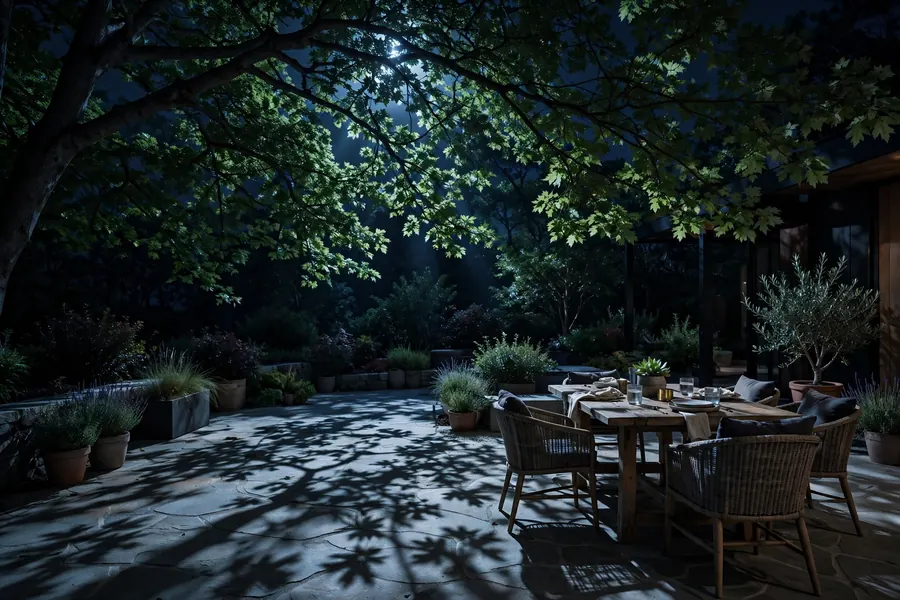
A fixture high in the branches, aimed down, mimics real moonlight with soft, dappled shadows. Best for: natural, effortless glow. Pro tip: pair it with uplighting on the same tree for depth.
3. Silhouette Lighting for Shrubs
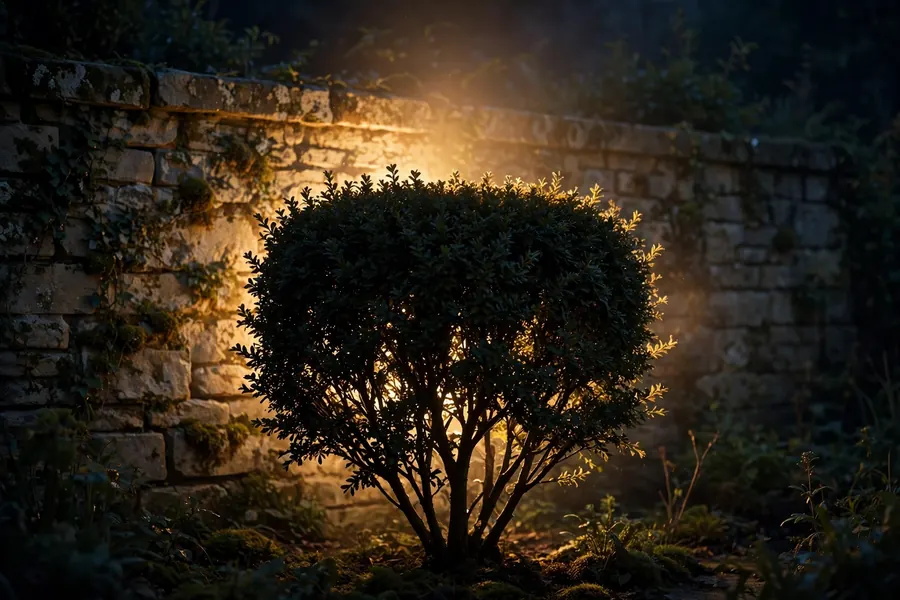
Light placed behind a sculptural shrub throws a bold silhouette onto the wall behind it. Best for: artistic, moody corners. Pro tip: use one strong shrub, not a row, for a clean shape.
4. Wall Grazing on Stone

A fixture set right at the base of a stone wall rakes light across every bump and groove. Best for: textured walls. Pro tip: keep the beam narrow so the texture pops.
5. Wall Washing a Fence
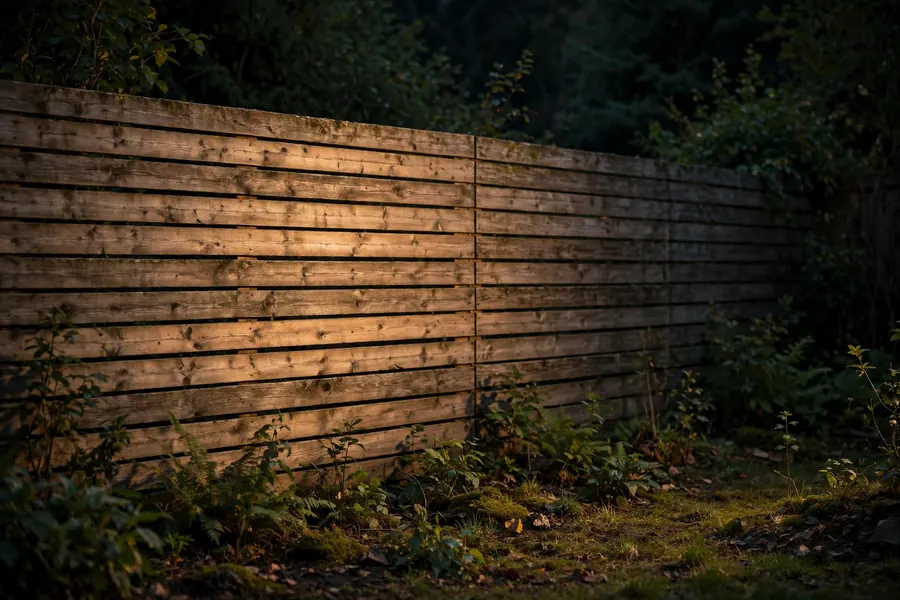
Fixtures a foot or two off the fence lay an even blanket of warm light across it. Best for: flat fences and privacy screens. Pro tip: space fixtures 6 to 8 feet apart for an even wash.
6. Shadow Play With Ornamental Grasses

A low light in front of tall grasses throws long, dancing shadows across the lawn. Best for: movement and mystery. Pro tip: place the light low so shadows stretch long.
7. Downlights in Pergola Beams

Small downlights tucked into pergola beams wash the seating below in warm, even light. Best for: covered patios. Pro tip: dim them — pergola light should feel like candlelight.
8. Lanterns Hung From Branches

Old lanterns hung at different heights turn a plain tree into a chandelier. Best for: parties and romance. Pro tip: use LED candles inside — safe and windproof.
9. Fairy-Light Canopy Overhead
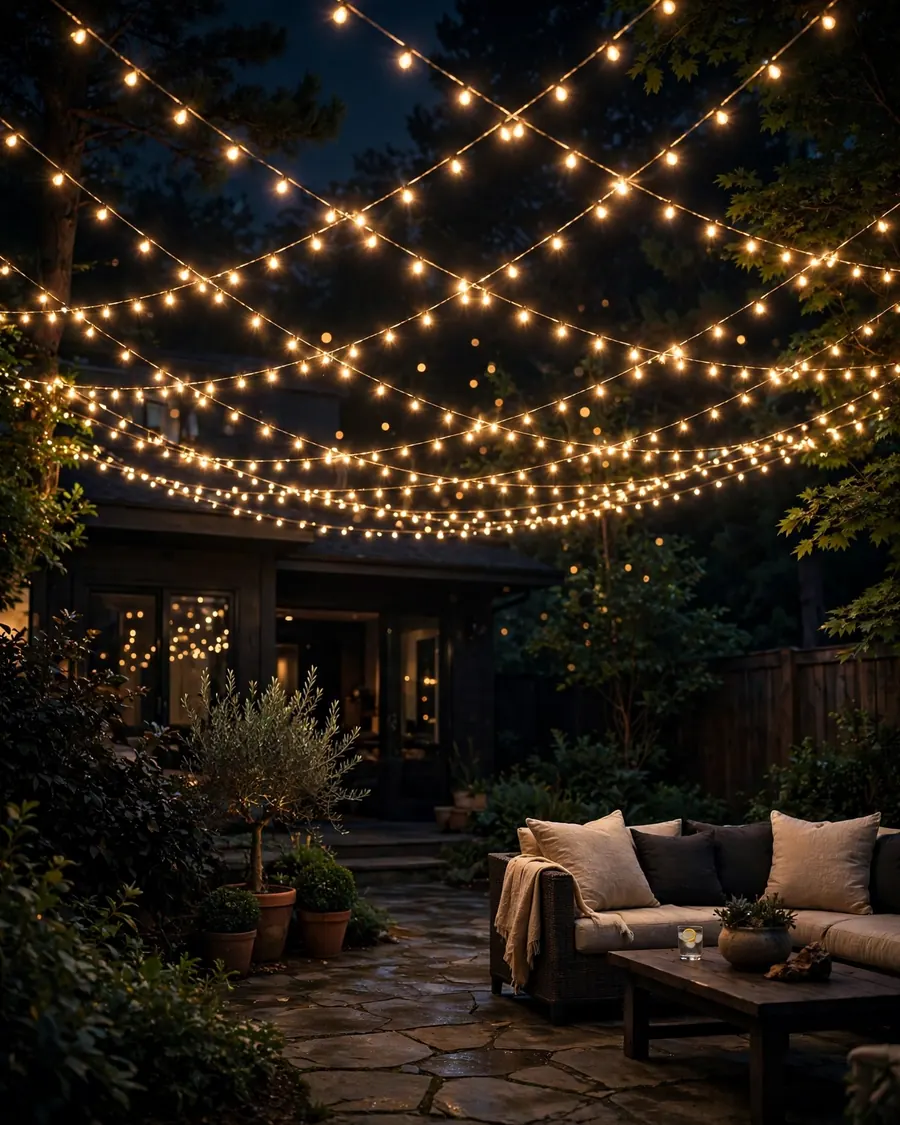
Warm white fairy lights criss-crossed overhead create a starry canopy in minutes. Best for: instant magic on a budget. Pro tip: choose warm-white LEDs, never cool blue-white.
Paths, Patios and Living Spaces
10. Staggered Path Lights
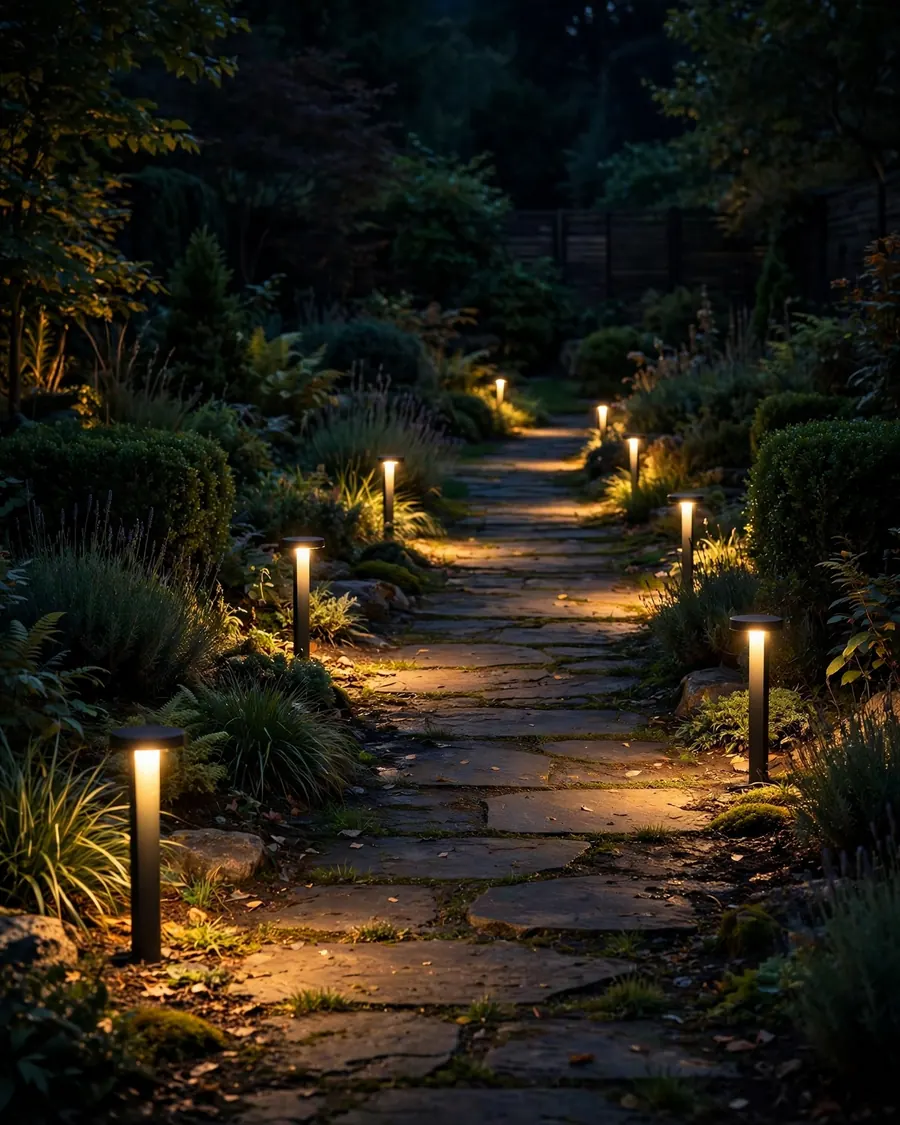
Low path lights every 6 to 8 feet, staggered left and right, guide feet without glare. Best for: safe, beautiful walkways. Pro tip: stagger them — a straight runway line looks clinical.
11. Step Lights for Safety
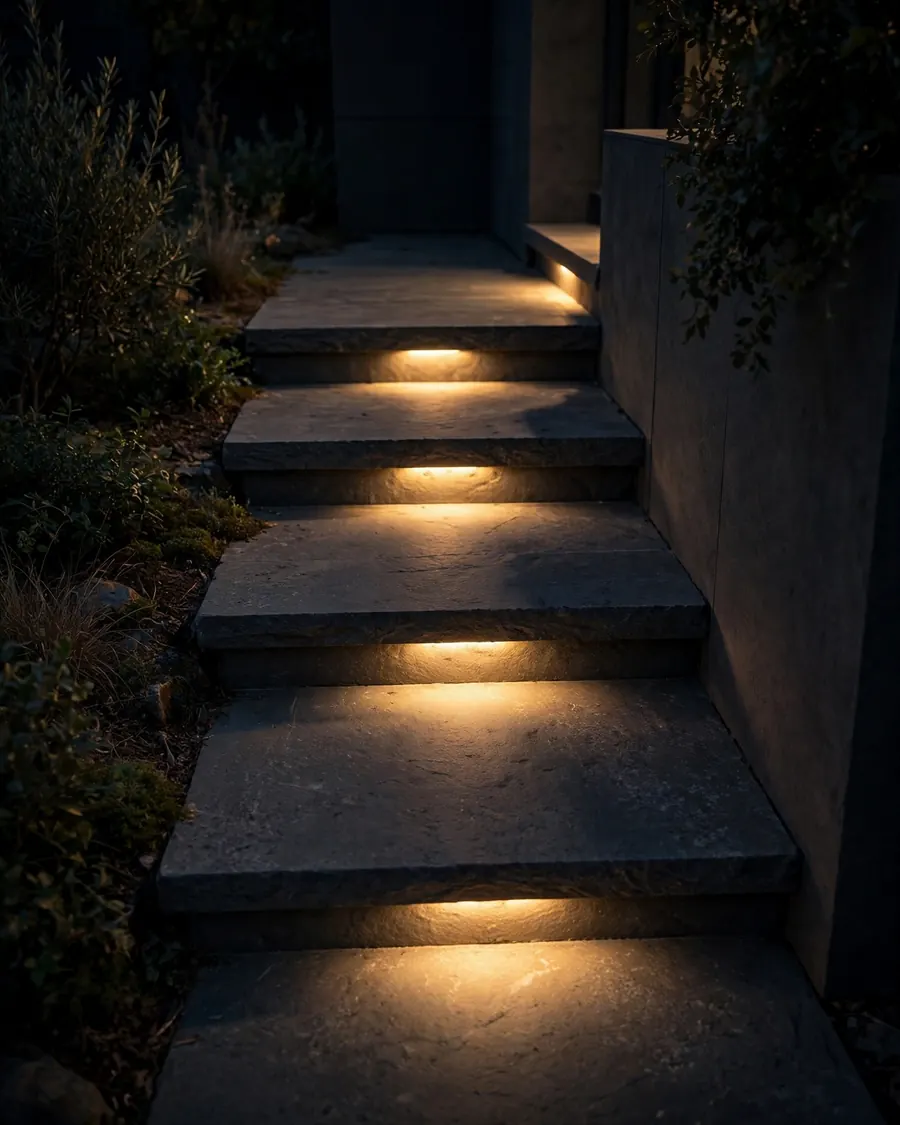
Recessed lights in risers or beside steps make grade changes safe after dark. Best for: stairs and level changes. Pro tip: light every step, not every other one.
12. Deck-Embedded Glow Strips
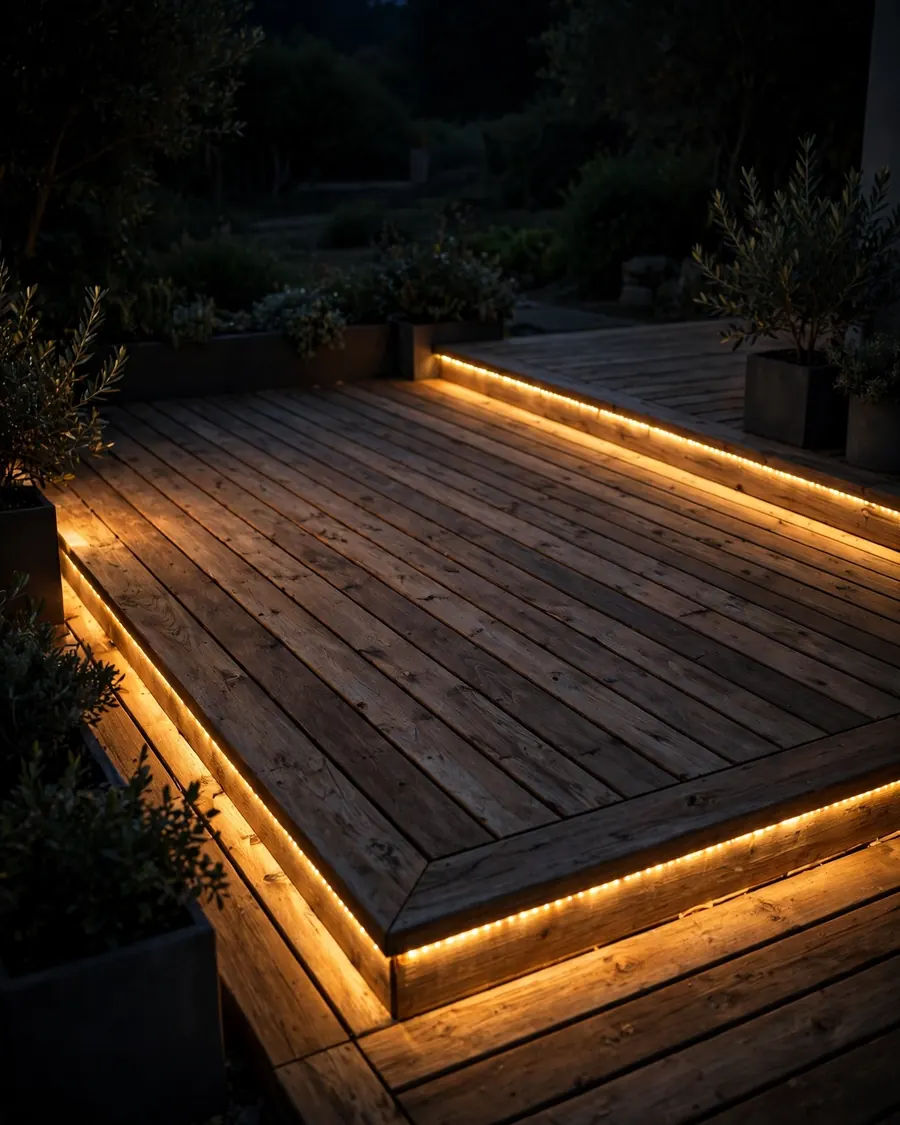
Thin LED strips set into the deck edge make the whole deck seem to float. Best for: modern decks. Pro tip: use a diffuser so the strip reads as a line, not dots.
13. String Lights Over the Dining Table
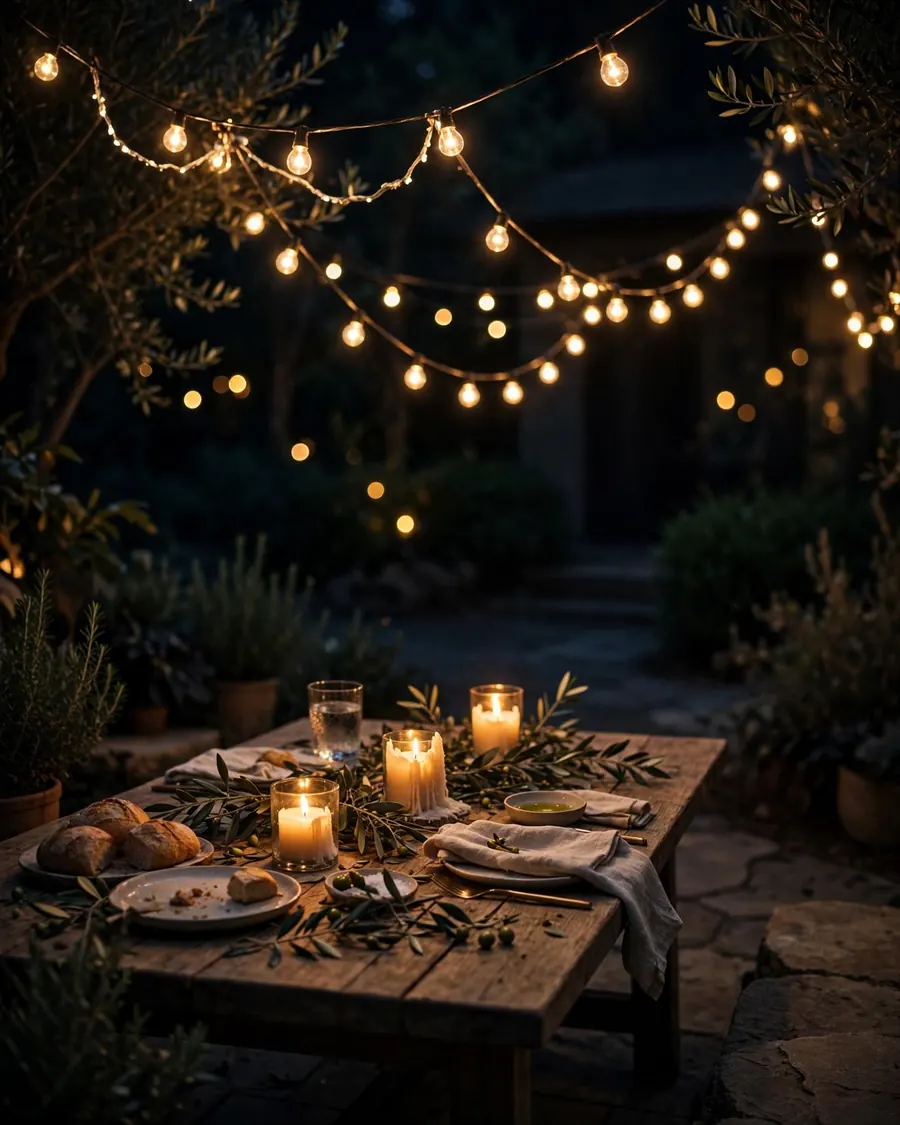
A loose swag of string lights over the table makes every dinner feel like a celebration. For more daytime styling, see our patio ideas. Best for: outdoor dining. Pro tip: hang them high enough to stand under comfortably.
14. Edison Bulb Café Lights
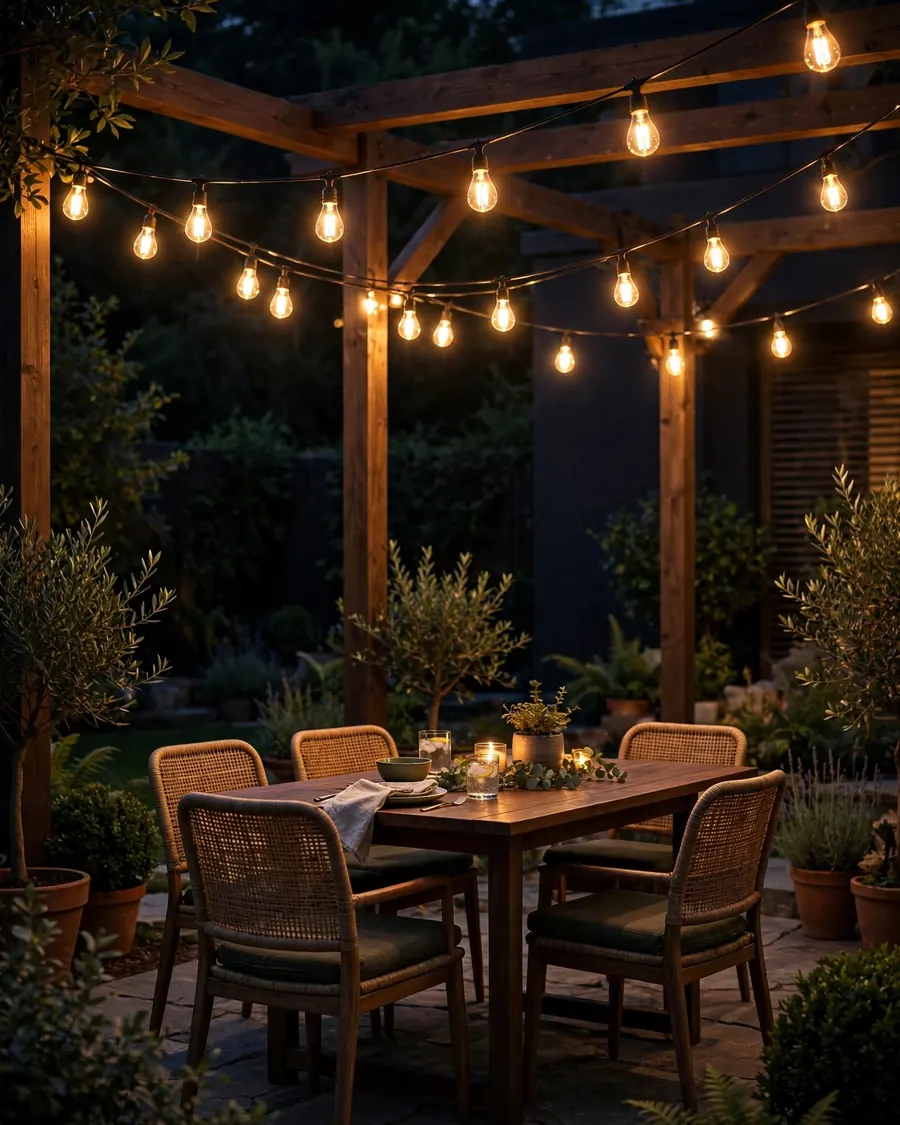
Big Edison bulbs on a café string give a warm, vintage glow that flatters everyone. Best for: relaxed evenings. Pro tip: pick shatterproof bulbs if kids play nearby.
15. Low-Level Bench Lighting
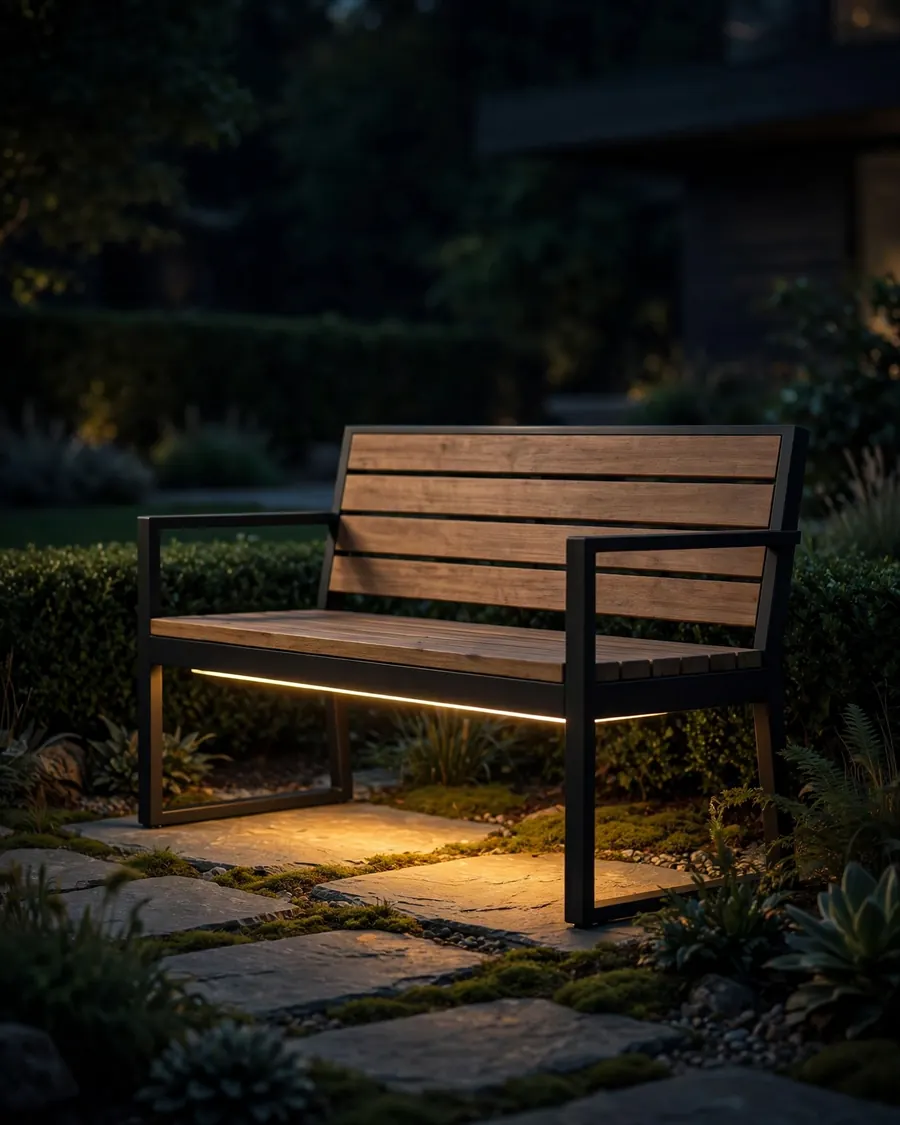
A soft strip under the bench seat adds intimacy and stops stubbed toes in the dark. Best for: seating nooks. Pro tip: keep it dim — it should glow, not glare.
16. Patio Wall Sconces

Two warm sconces flanking the patio door anchor the whole yard’s lighting plan. Best for: entries and patios. Pro tip: match the sconce finish to your door hardware.
17. Portable Floor Lamps Outdoors
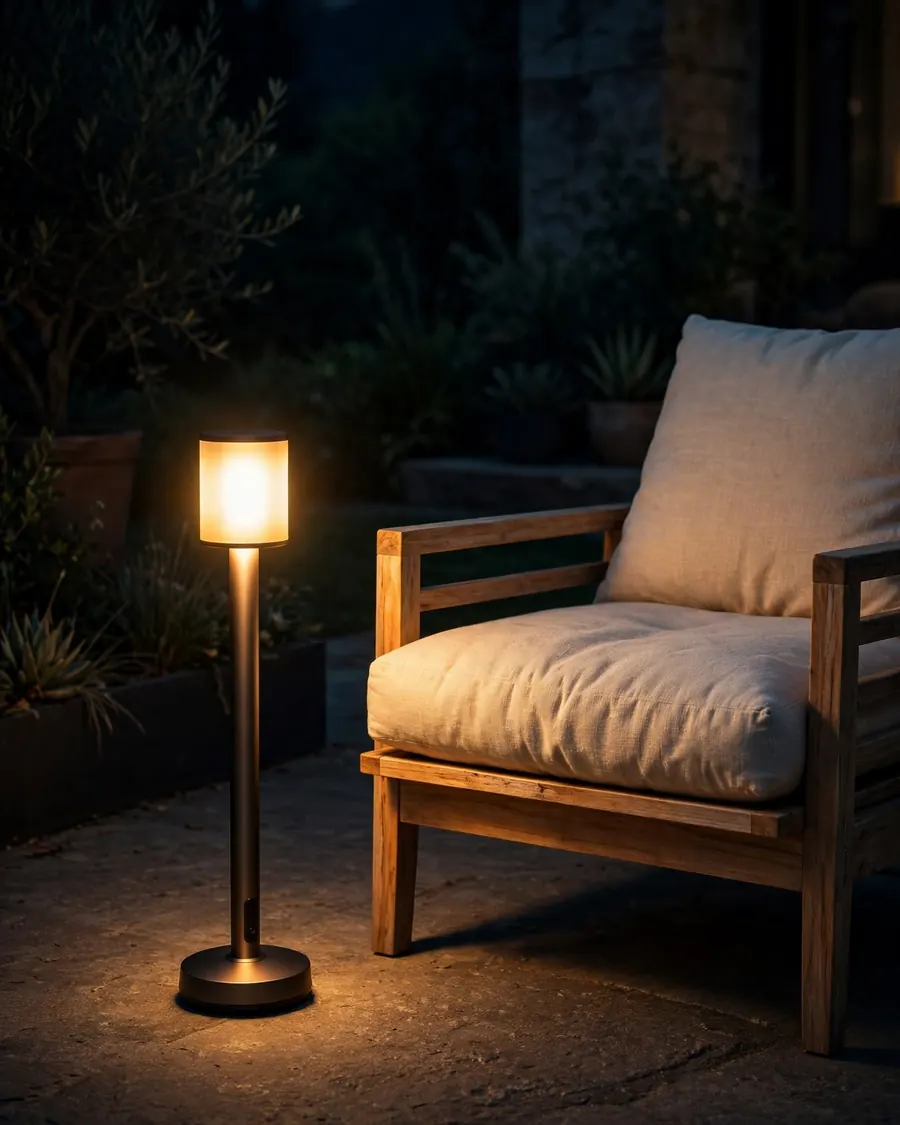
Rechargeable outdoor floor lamps bring living-room comfort to the lawn, anywhere you want. Best for: flexible seating. Pro tip: charge them by day so they last all evening.
Water, Fire and Finishing Magic
18. Fire Pit Glow

A fire pit adds movement and warmth no fixture can match — the original outdoor light. Best for: gathering after dark. Pro tip: keep seating 3 feet back from the flames.
19. Fire Table Centerpiece
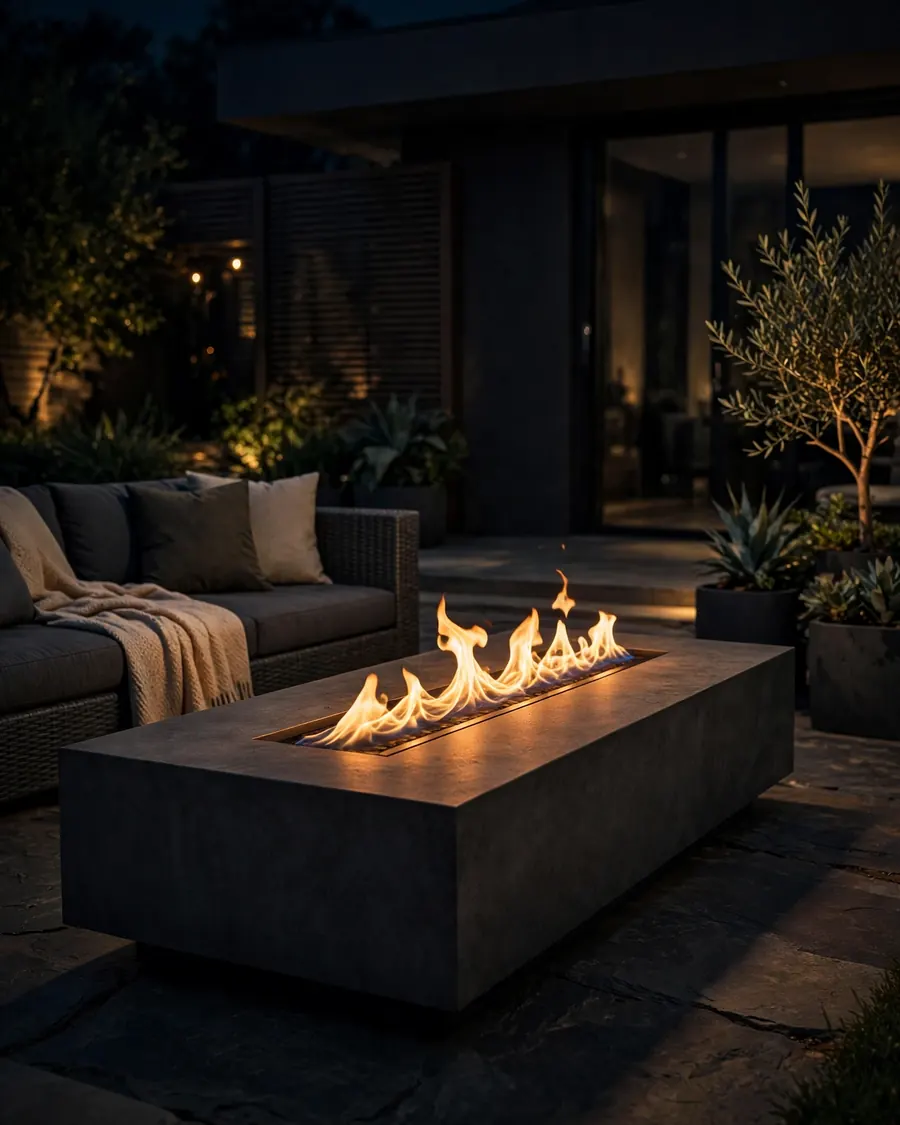
A gas fire table gives you flames at the push of a button, right where drinks sit. Best for: instant atmosphere. Pro tip: choose a table height that works for dining too.
20. Lit Water Fountain
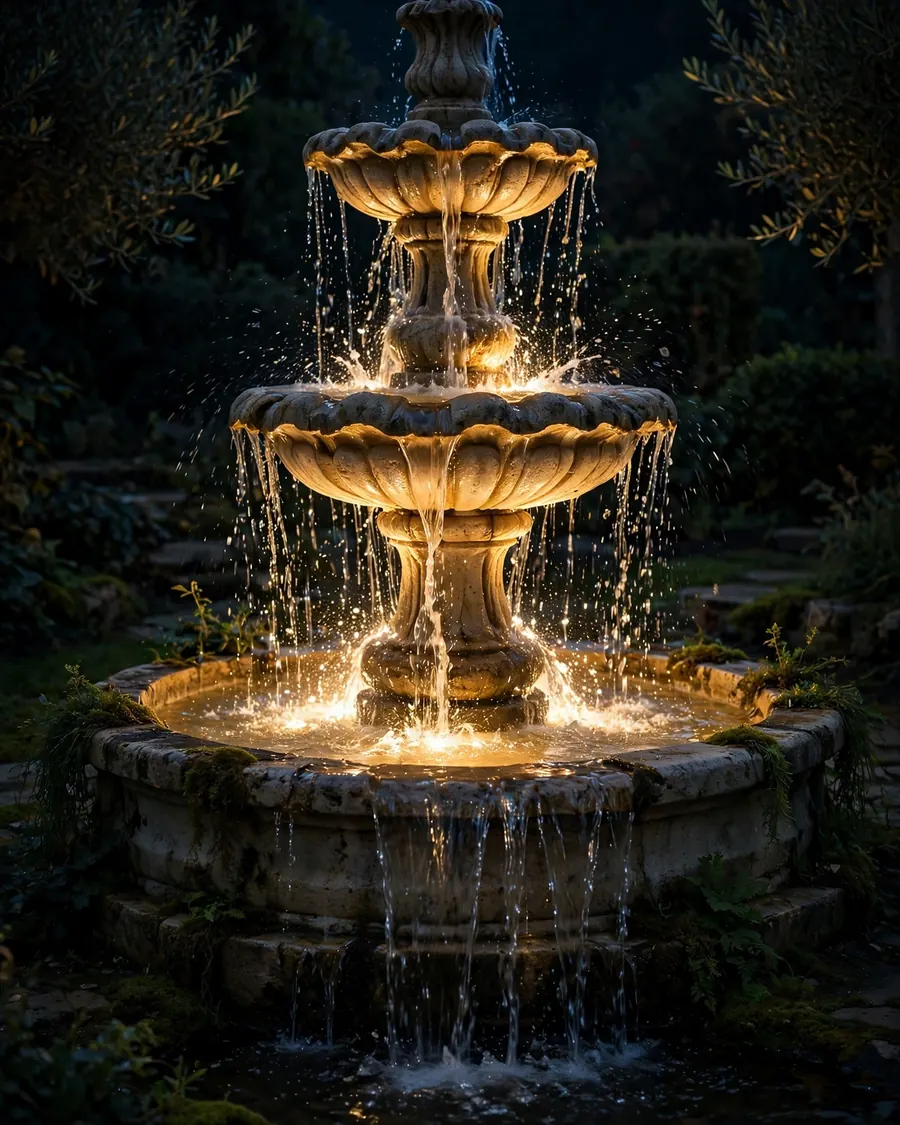
Light inside a fountain makes water sparkle and doubles the sound of the evening. Best for: focal points. Pro tip: use a submersible light rated for constant water contact.
21. Submersible Pond Lights

Lights under the pond surface turn still water into a glowing, living feature. Best for: ponds and water gardens. Pro tip: aim lights at plants, not straight up.
22. Mason Jar Firefly Lights
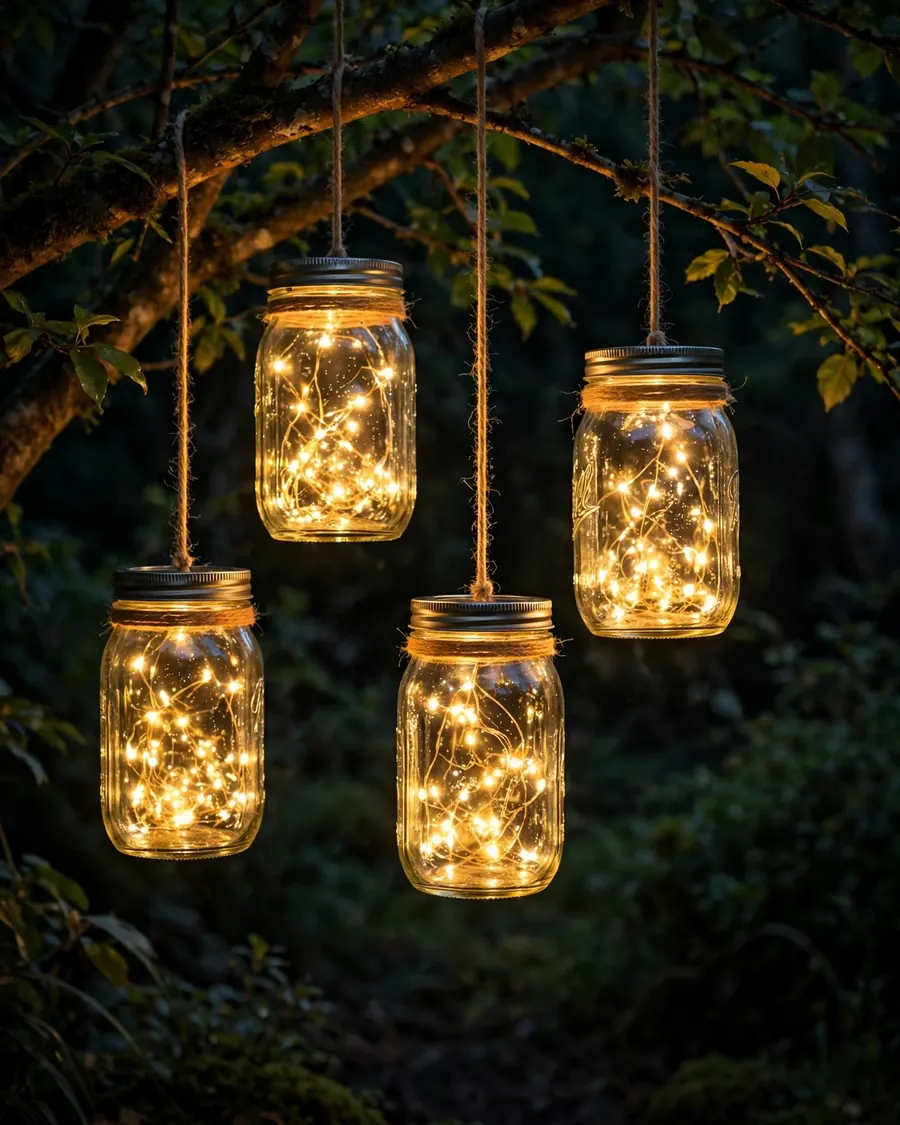
Mason jars filled with fairy lights, hung from branches, twinkle like a swarm of fireflies. Best for: charm on a budget. Pro tip: solar lids charge by day and glow at dusk.
23. Solar Stake Lights in Beds
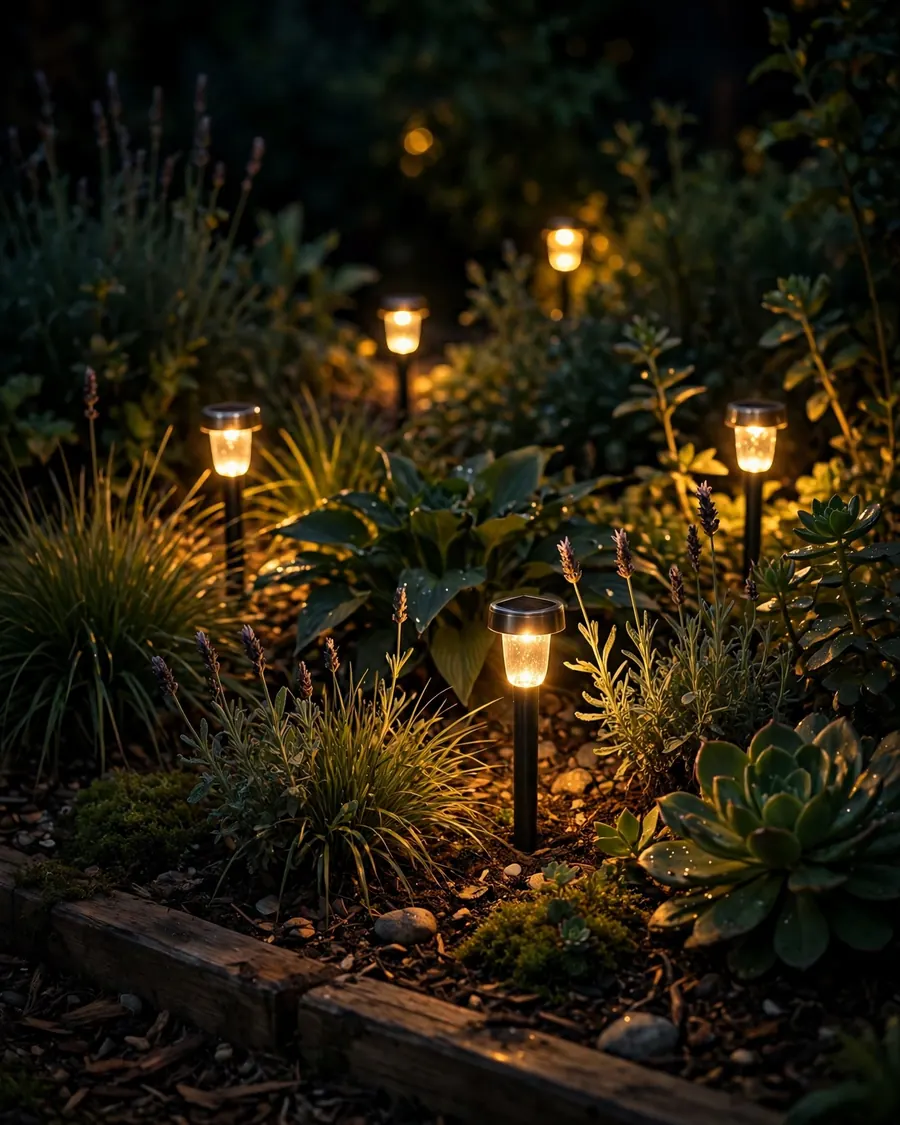
Small solar stakes tucked into planting beds add rhythm without any wiring at all. Best for: easy starters. Pro tip: move them as beds change through the seasons.
24. Color-Changing Accents for Parties
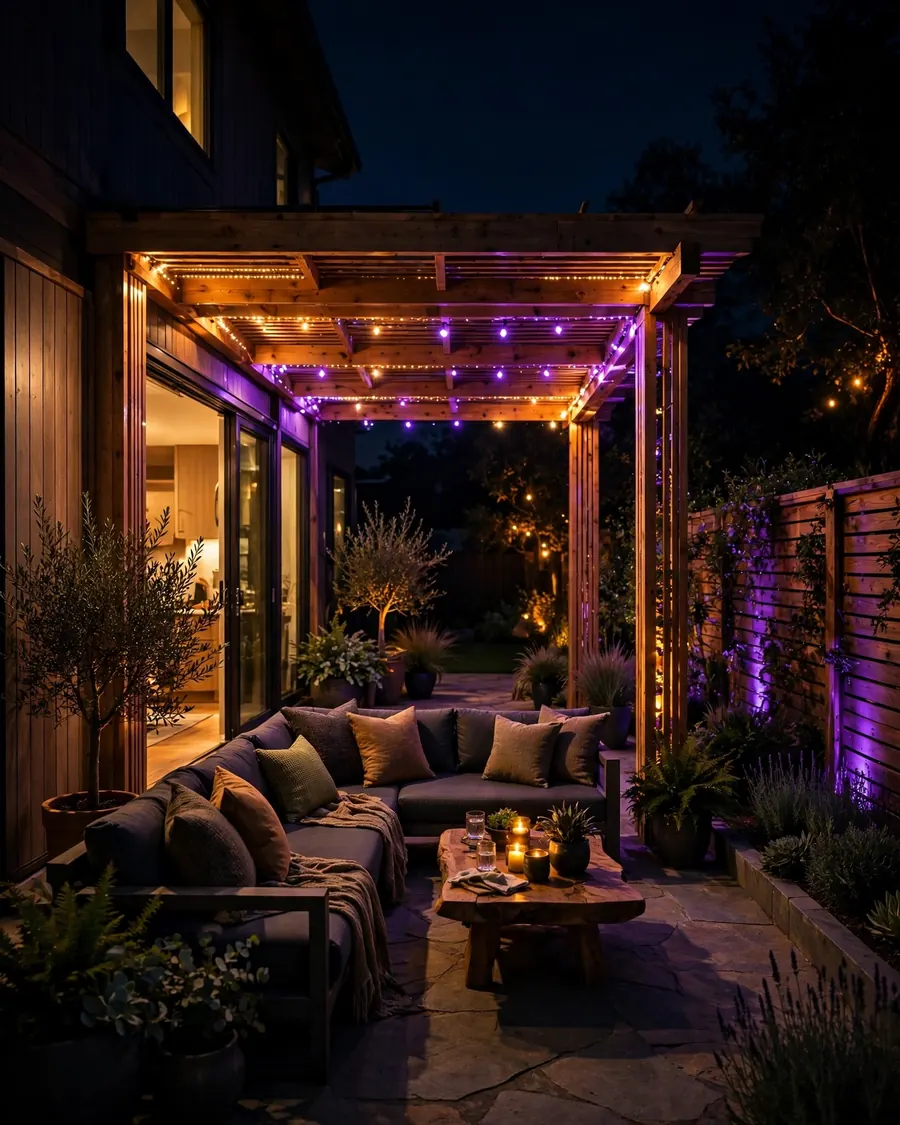
Color-capable fixtures shift to amber or purple for a party, then back to warm white. Best for: celebrations. Pro tip: keep color to accents — never the whole yard.
25. Smart Automation at Dusk
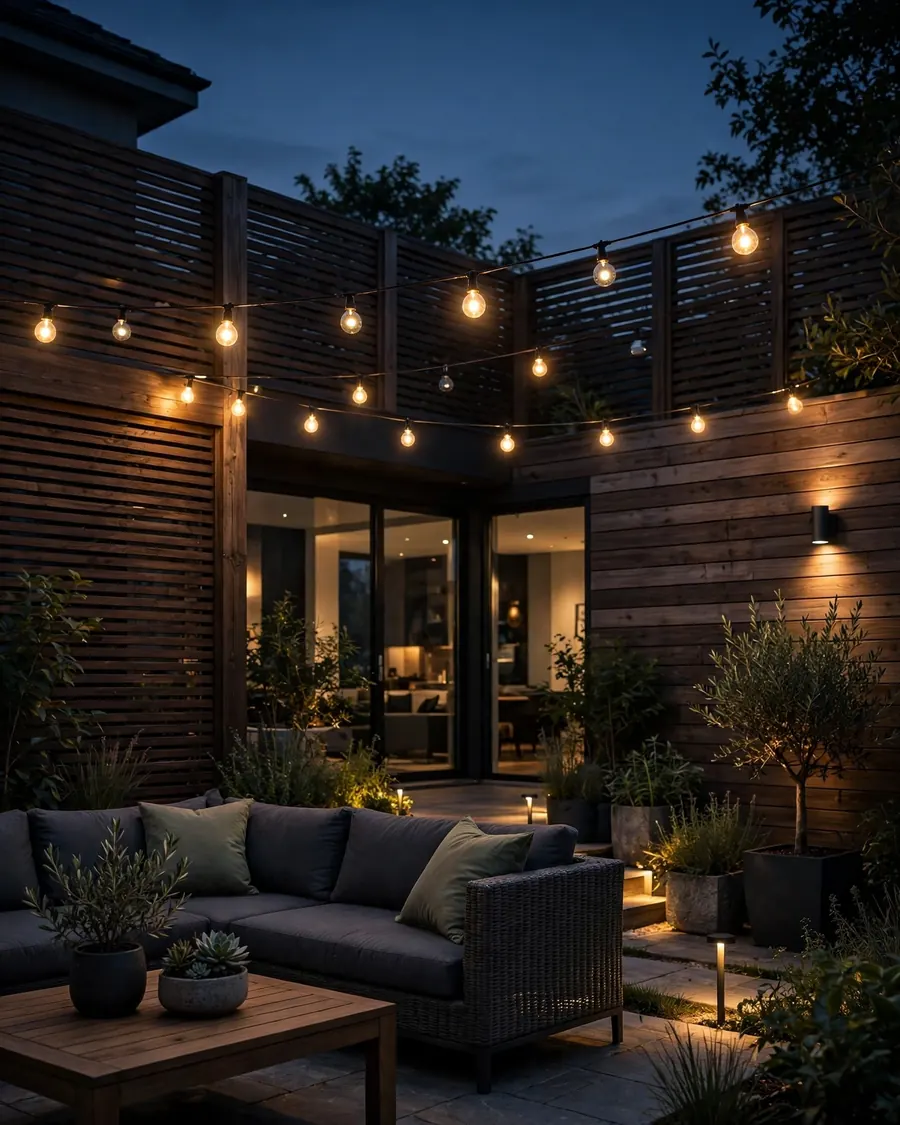
A low-voltage system on a timer fades the whole yard up at dusk, all by itself. Best for: effortless evenings. Pro tip: set the fade slow — sudden light kills the mood.
Dark Backyard Lighting Care and Maintenance
Wipe fixture lenses monthly — dirt dims light fast. Check low-voltage connections each spring for corrosion, trim plants that block beams, and replace solar batteries yearly.
FAQs
What color temperature is best for backyard lighting?
Warm white light between 2700K and 3000K is best for backyards because it flatters plants, wood, and stone and feels inviting after dark. Cooler light above 4000K makes leaves look blue and sickly and kills the mood instantly. Buy one 2700K bulb first and test it at dusk before committing.
How many lights do I need in a dark backyard?
Start with three layers rather than a number: a few uplights on trees or walls, path lights every 6 to 8 feet, and warm light where people sit. A small yard often needs only 8 to 12 fixtures, while a large yard may need 20 or more. Think in layers, not totals.
Are solar backyard lights bright enough?
Solar lights suit accents, path markers, and mason-jar glows, but they rarely match low-voltage fixtures for brightness or reliability. They charge all day and fade over the night, and cloudy weeks cut their output. Keep spare solar stakes charged for cloudy weeks ahead. Swap their rechargeable batteries every spring for best output.
What is the difference between uplighting and moonlighting?
Uplighting places a fixture at the base of a tree or wall and aims it upward, creating drama, height, and a sculptural canopy. Moonlighting mounts a shielded fixture high in a tree and aims it down through the branches, casting soft dappled shadows like real moonlight. Test the pair on one tree first.
How do I light a backyard without annoying neighbors?
Shield every fixture so the bulb itself is never visible from the street or next door, and aim light down or at your own trees and walls, never across the fence. Keep brightness low and warm, use timers so lights fade out by bedtime, and check local dark-sky rules before installing uplights.
Is low-voltage backyard lighting safe to install myself?
A 12-volt low-voltage system is much safer than mains-voltage wiring and is a realistic DIY project for many homeowners. You still need a properly rated outdoor transformer, watertight connections, and cables buried or protected from mowers. Hire an electrician for any mains-voltage work. Never bury cables where mowers can reach them.
Final Thoughts
A dark backyard is not an empty backyard — it is a canvas waiting for warm light. Start with one tree, one path, and one gathering spot, then layer from there. Keep it warm, keep it dim, and let the shadows do half the work.
