
Table of Contents
- Soft White for a Light, Airy Foundation
- Warm Greige for Everyday Versatility
- Sage Green for a Calm, Nature-Inspired Mood
- Dusty Blue for Deeper, More Restful Sleep
- Blush Pink for Soft, Romantic Warmth
- Warm Taupe for a Cocooning, Intimate Feel
- Terracotta for Sun-Kissed, Earthy Energy
- Moody Navy for Intimate Evening Drama
- Forest Green for a Luxe, Enveloping Retreat
- Buttery Yellow for a Cheerful Morning Glow
- Pale Lavender for a Dreamy, Gentle Touch
- Charcoal for a Bold, Sophisticated Edge
- Colour Drenching for a Seamless, Cocooning Look
- A Painted Ceiling for Unexpected Polish
Walk into a bedroom and before you notice the furniture, you feel the colour. Soft sage slows your breathing; deep navy makes the evening feel intimate; buttery yellow wakes you up smiling. Colour is the fastest, cheapest mood-changer a bedroom has — one tin of paint and the whole room behaves differently.
The 14 bedroom color ideas below are organised by the mood they create, not just by shade. Each one tells you what feeling it sets, when it works best, and what to pair it with, so you can choose bedroom paint colors that genuinely fit how you want to feel at 11pm — and at 7am.
1. Soft White for a Light, Airy Foundation
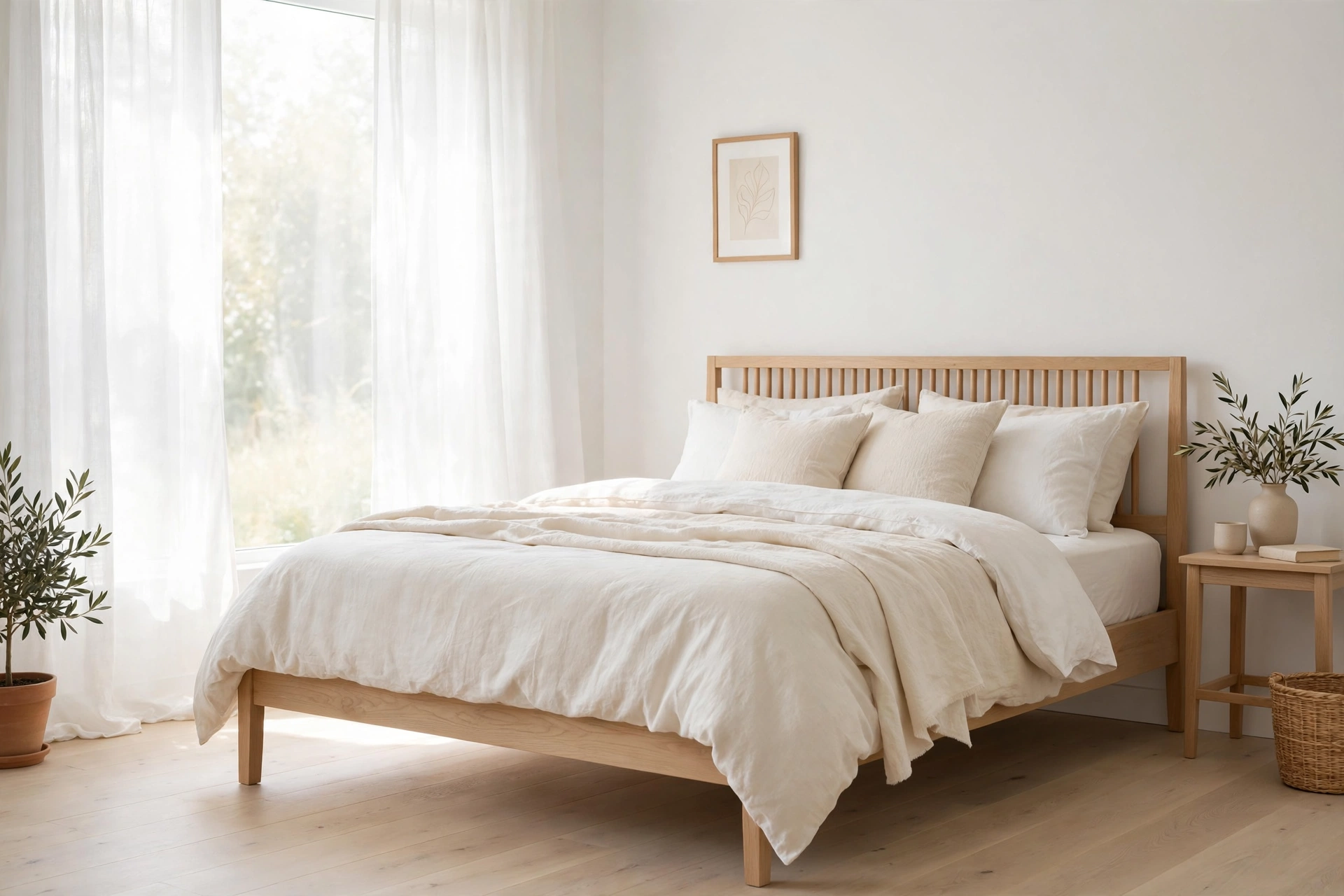
Soft white is the blank canvas that never dates. It bounces daylight around small or north-facing rooms, makes low ceilings feel higher, and lets bedding and art do the talking. Choose a white with a whisper of warmth (not stark blue-white) so it glows rather than glares. It pairs with everything, which makes it the safest of all bedroom color ideas if you redecorate often.
2. Warm Greige for Everyday Versatility
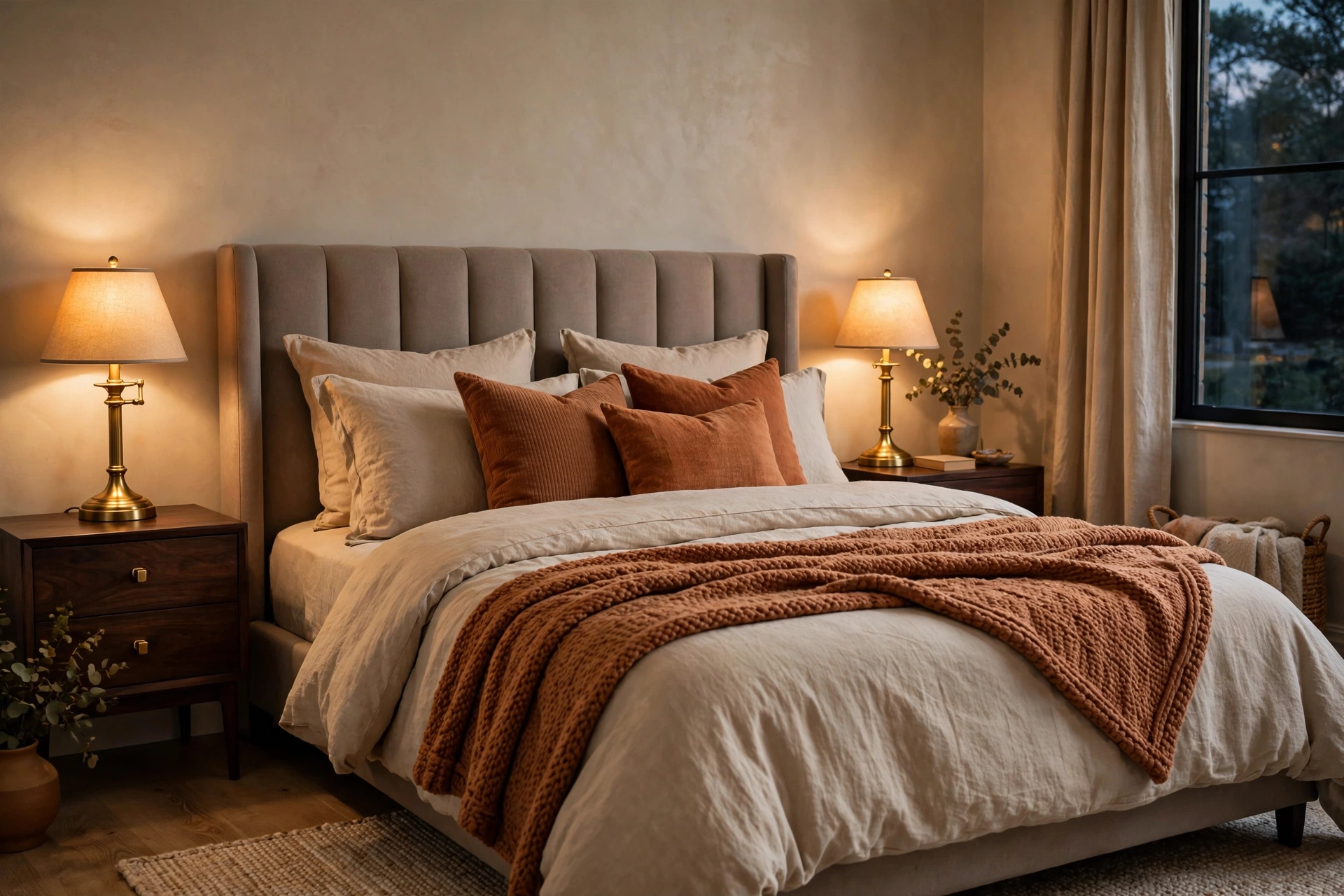
Greige — the lovechild of grey and beige — is the designer’s default for a reason. It is calm without being cold, warm without going yellow, and it flatters both oak and walnut furniture. A warm greige wall makes white bedding look crisp and brass details look expensive. If you can only repaint once in five years, this is the shade.
3. Sage Green for a Calm, Nature-Inspired Mood
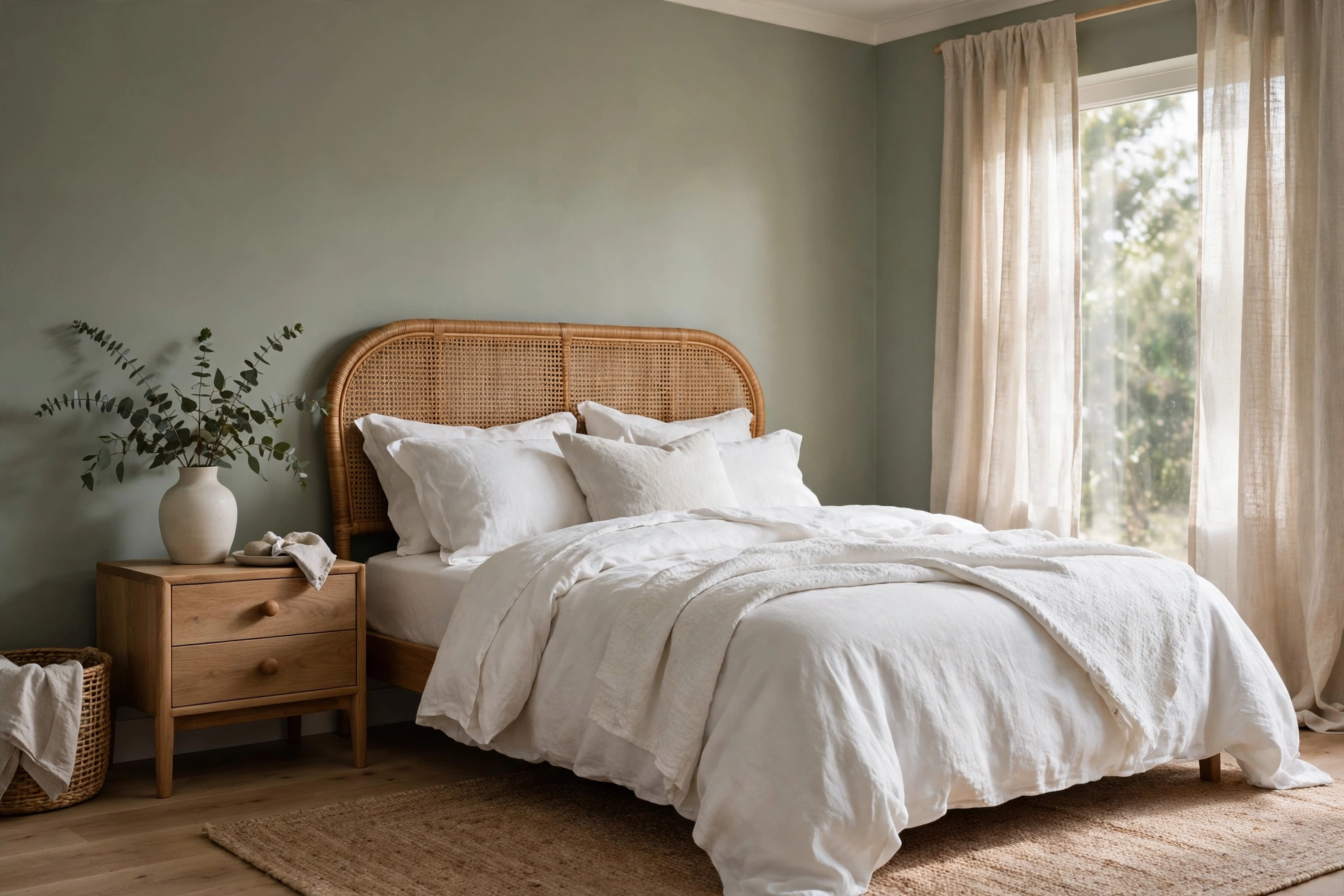
Sage green reads like bringing the garden indoors, and it is one of the most requested calming bedroom colors for good reason: it sits exactly between energising and sedating. It works beautifully with rattan, jute, and pale wood, and it flatters skin tones in a way sharper greens do not. Guides to how each colour changes a room’s mood consistently place soft greens among the most restful choices — the effect is real, not just fashionable.
4. Dusty Blue for Deeper, More Restful Sleep
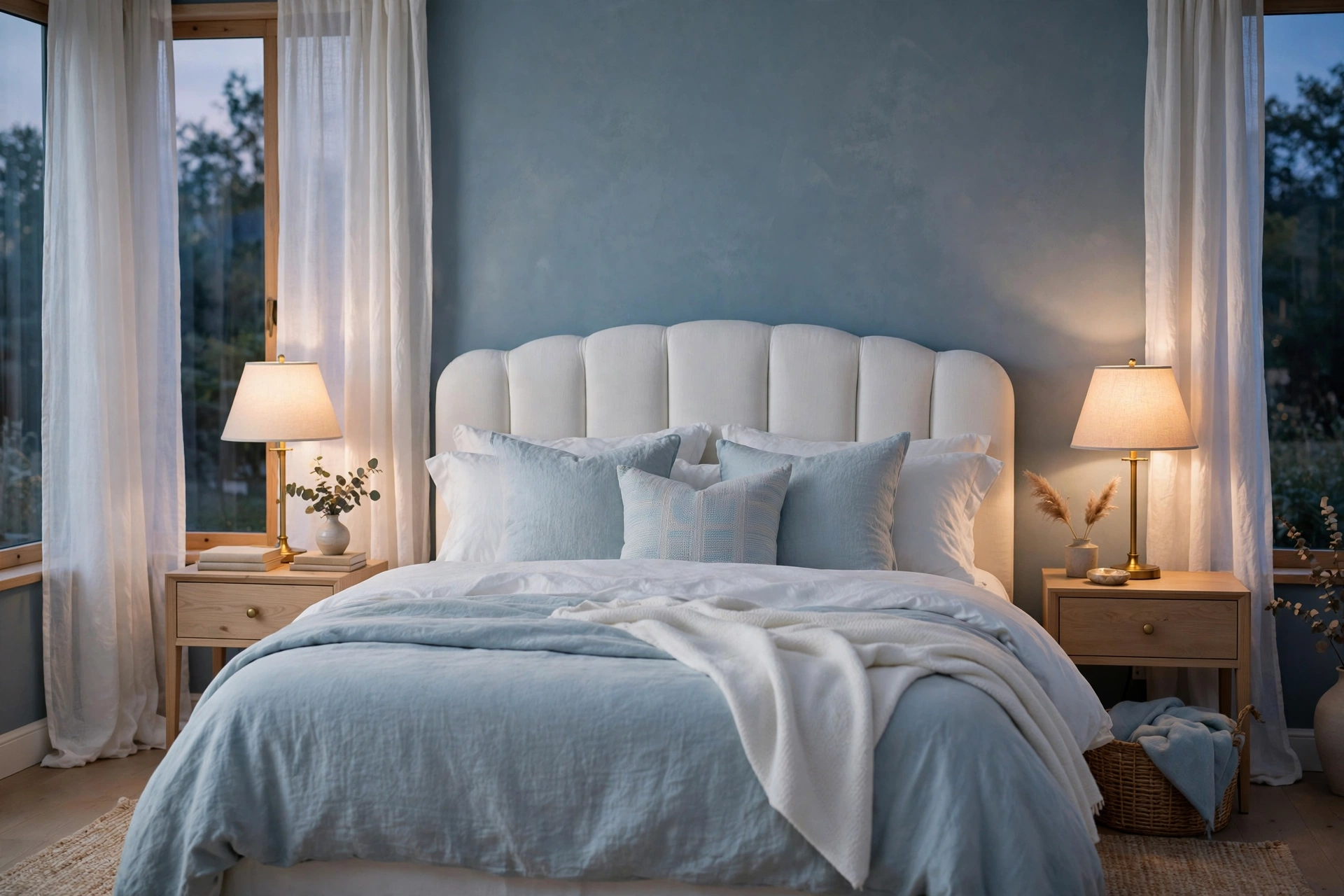
Muted blue is the classic sleep colour, and dusty, greyed-out blues are its most liveable form. They recede visually, making walls feel further away — a gift in compact bedrooms. Keep the bedding in whites and pale blues for a seamless, hotel-like calm, and warm it up with a wooden nightstand or two so it never feels chilly.
5. Blush Pink for Soft, Romantic Warmth
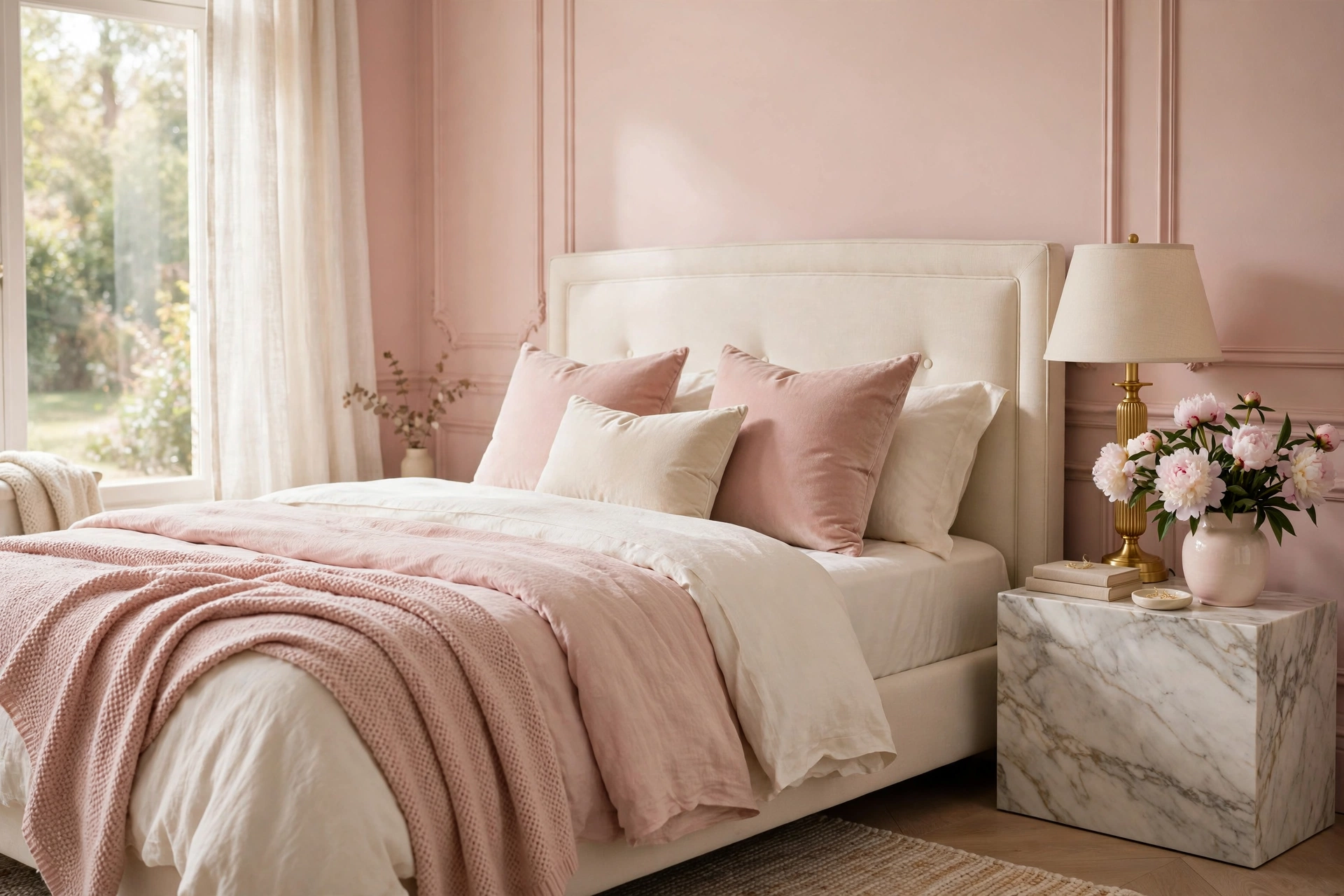
Grown-up blush is warm, flattering, and far from girly when done right. It glows in lamplight, makes white trim pop, and pairs beautifully with navy, charcoal, or natural wood for contrast. Use it on all four walls for a cocooning blush box, or on the headboard wall only for a gentler dose.
6. Warm Taupe for a Cocooning, Intimate Feel
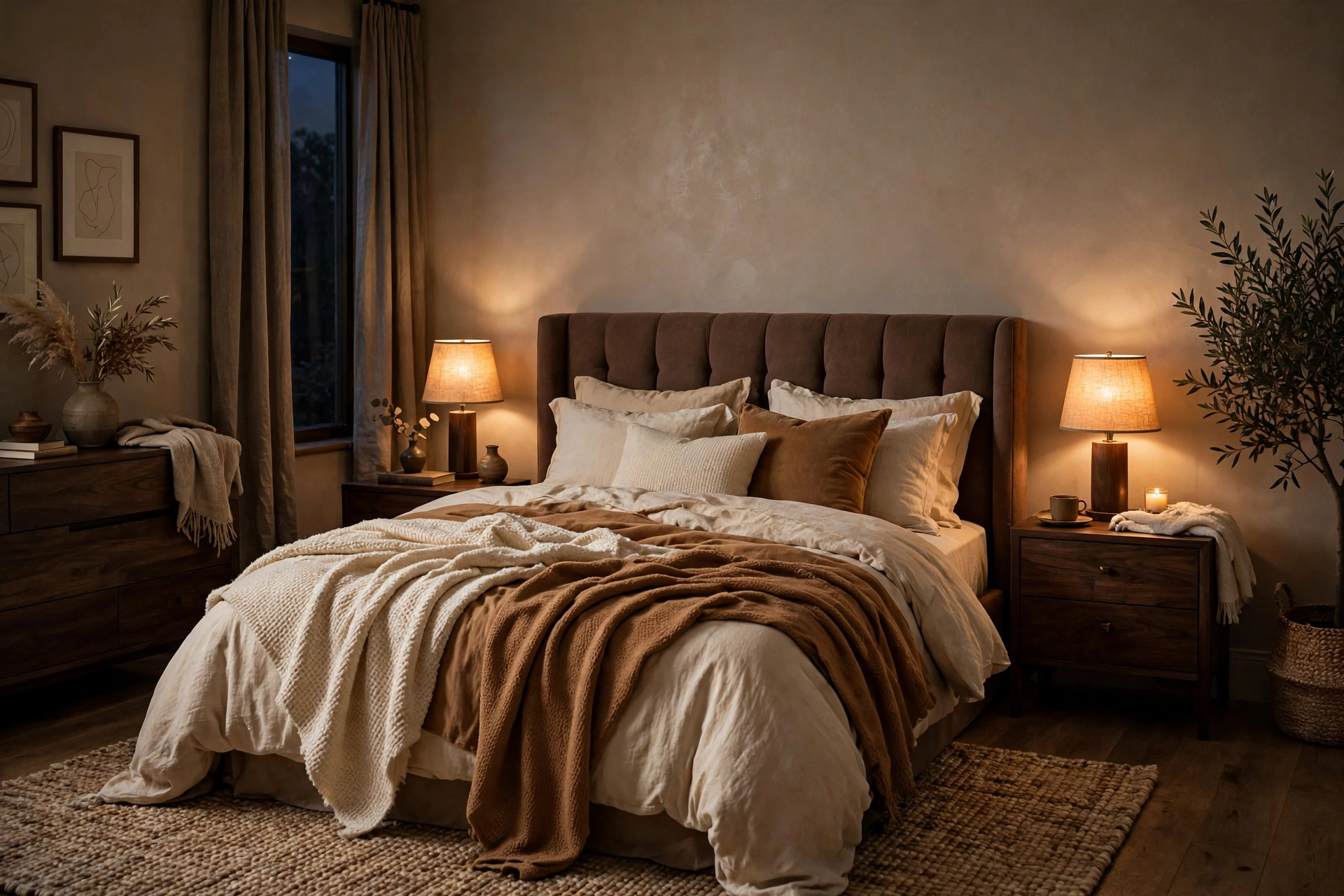
Taupe is brown’s sophisticated sibling — deeper than greige, softer than chocolate. In warm lamplight it wraps the room like a blanket, which makes it ideal for bedrooms that need to feel like a retreat. Layer it with cream, caramel, and bronze textiles to build a tonal scheme that feels expensive without a single bold move.
7. Terracotta for Sun-Kissed, Earthy Energy
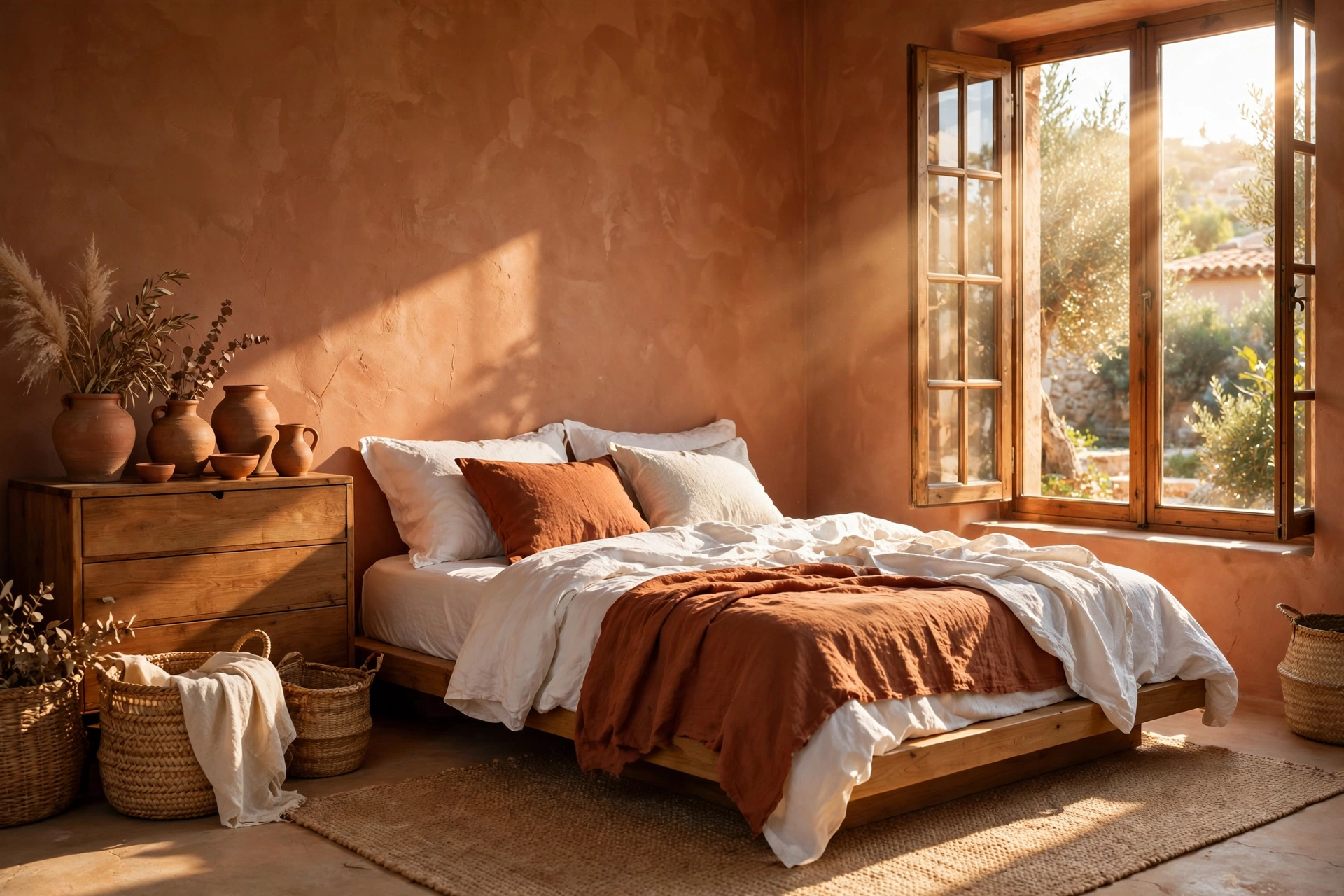
Terracotta brings the warmth of late-afternoon sun into the room permanently. It is joyful but grounded — the colour of clay, spice, and Mediterranean holidays. It loves natural textures: linen, rattan, woven baskets, and raw wood. For the full cocooning effect, layer it with the cosy textiles in our warm bedroom ideas and watch the room glow.
8. Moody Navy for Intimate Evening Drama
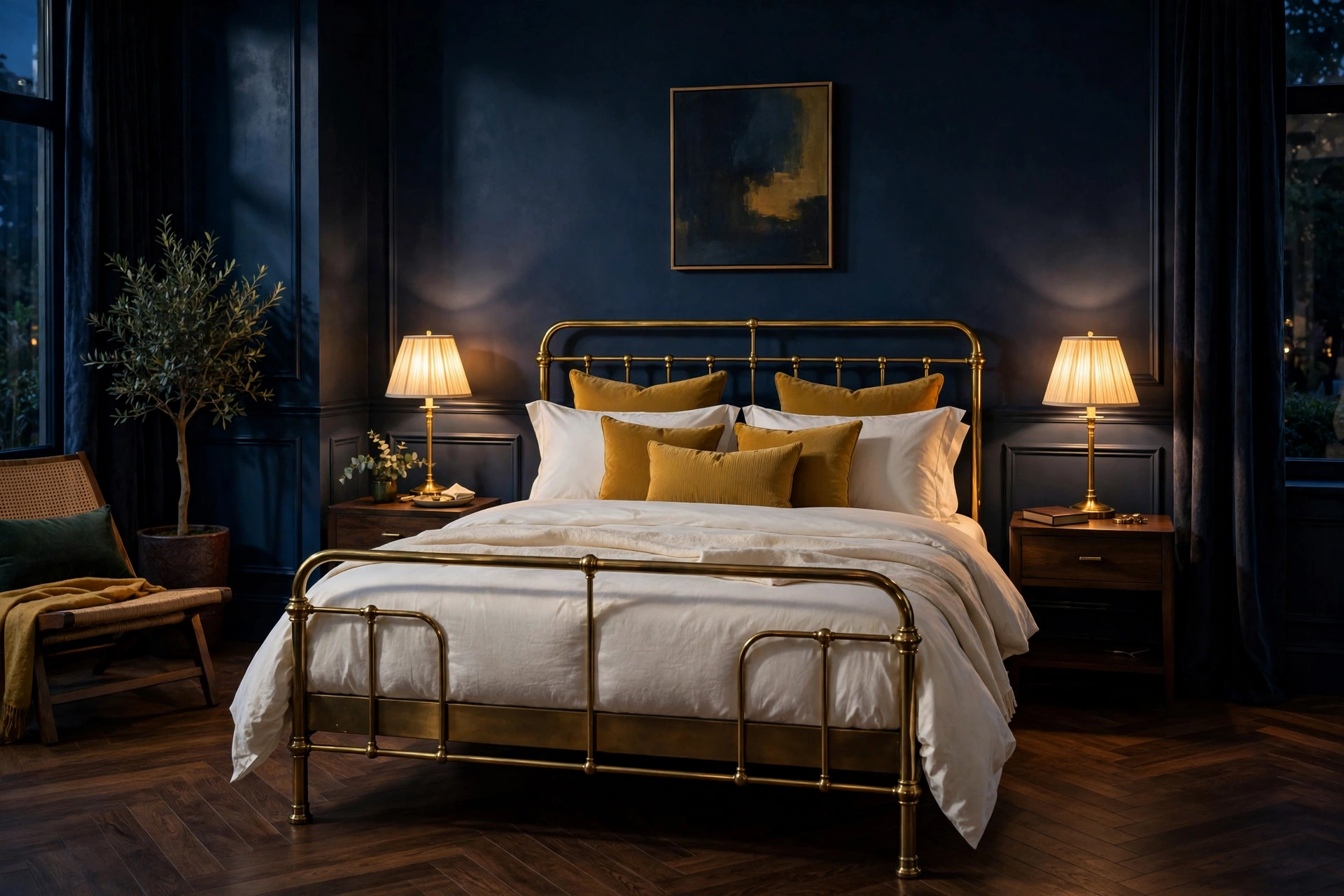
Navy after dark is pure theatre. Deep blue walls absorb light and shrink the room in the best possible way, turning an ordinary bedroom into a private, cocooning den. It demands warm lighting — brass lamps and candlelight look spectacular against it — and white or mustard bedding keeps it from going gloomy. Not for tiny, light-starved rooms, but transformative where daylight is decent.
9. Forest Green for a Luxe, Enveloping Retreat
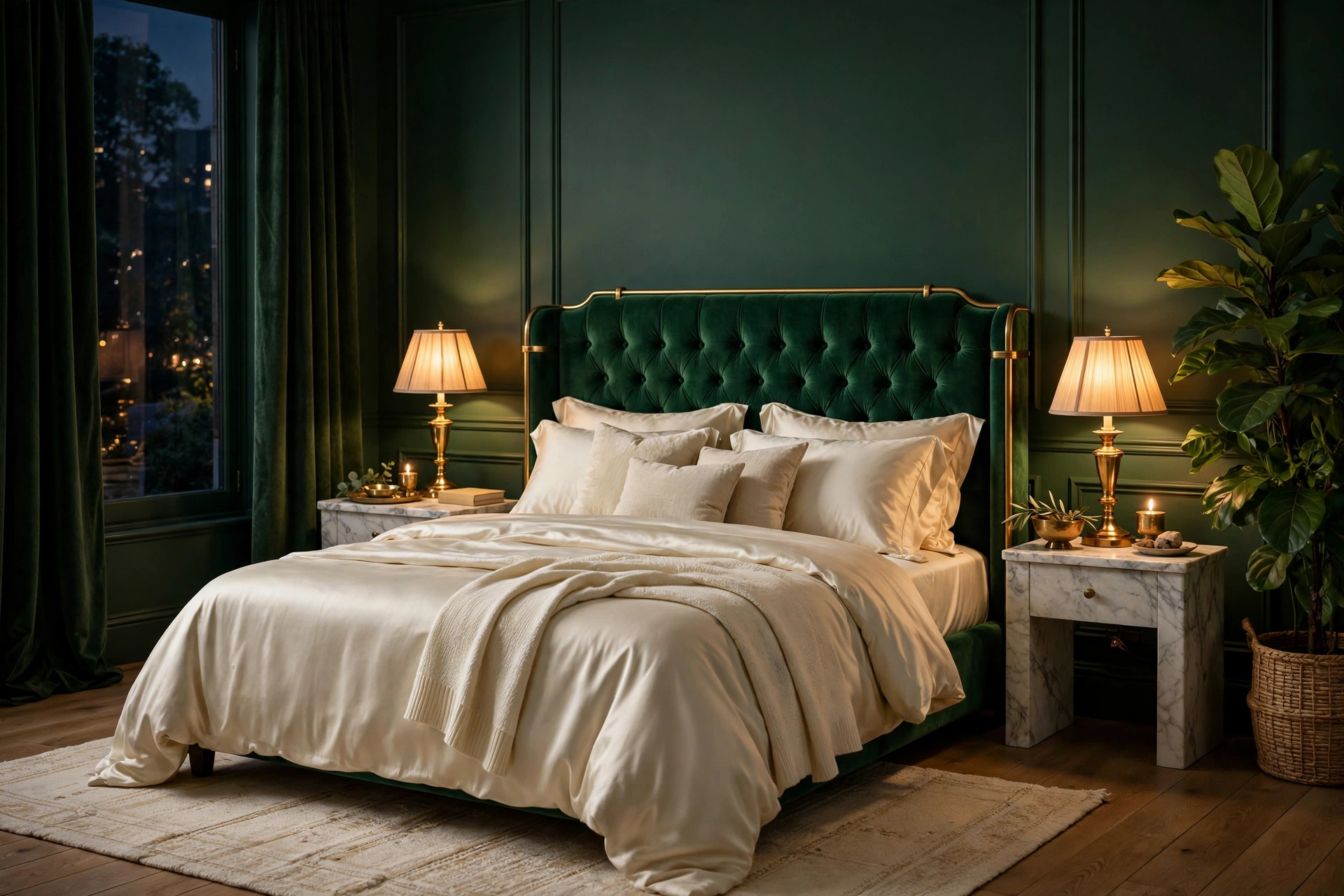
Forest green is navy’s botanical cousin: rich, enveloping, and unmistakably luxurious. It pairs gorgeously with velvet, brass, and marble, and it makes plants look twice as lush. Like all deep shades, it works best with layered lighting — a single ceiling light will flatten it, while lamps at different heights make it glow.
10. Buttery Yellow for a Cheerful Morning Glow
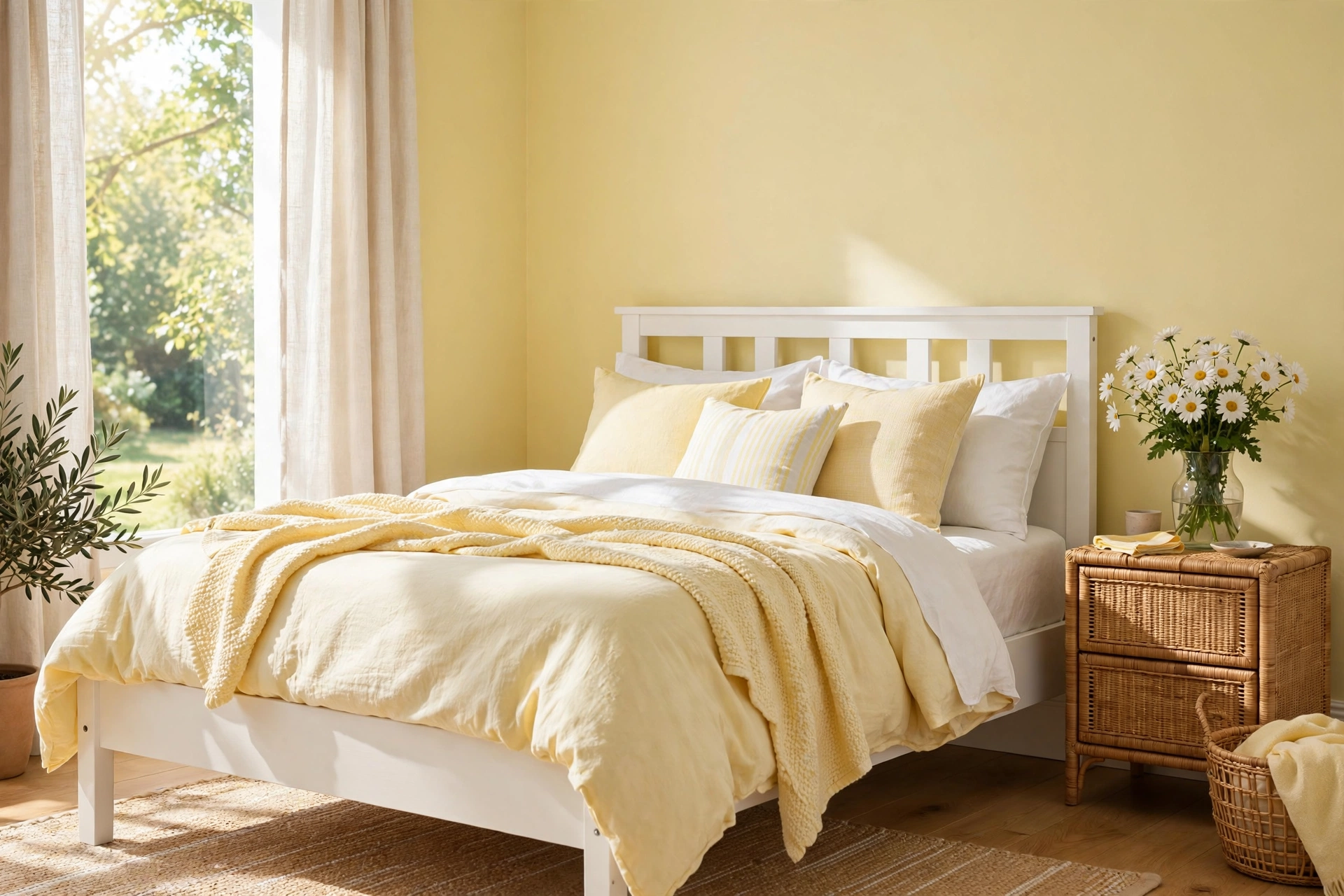
Pale buttery yellow is sunshine you can schedule. It is the happiest of the bedroom color schemes, lifting grey mornings and making the room feel welcoming by day while staying soft enough for evenings. Keep it pale — one step past cream — and pair with white woodwork and fresh white bedding for a look that never shouts.
11. Pale Lavender for a Dreamy, Gentle Touch
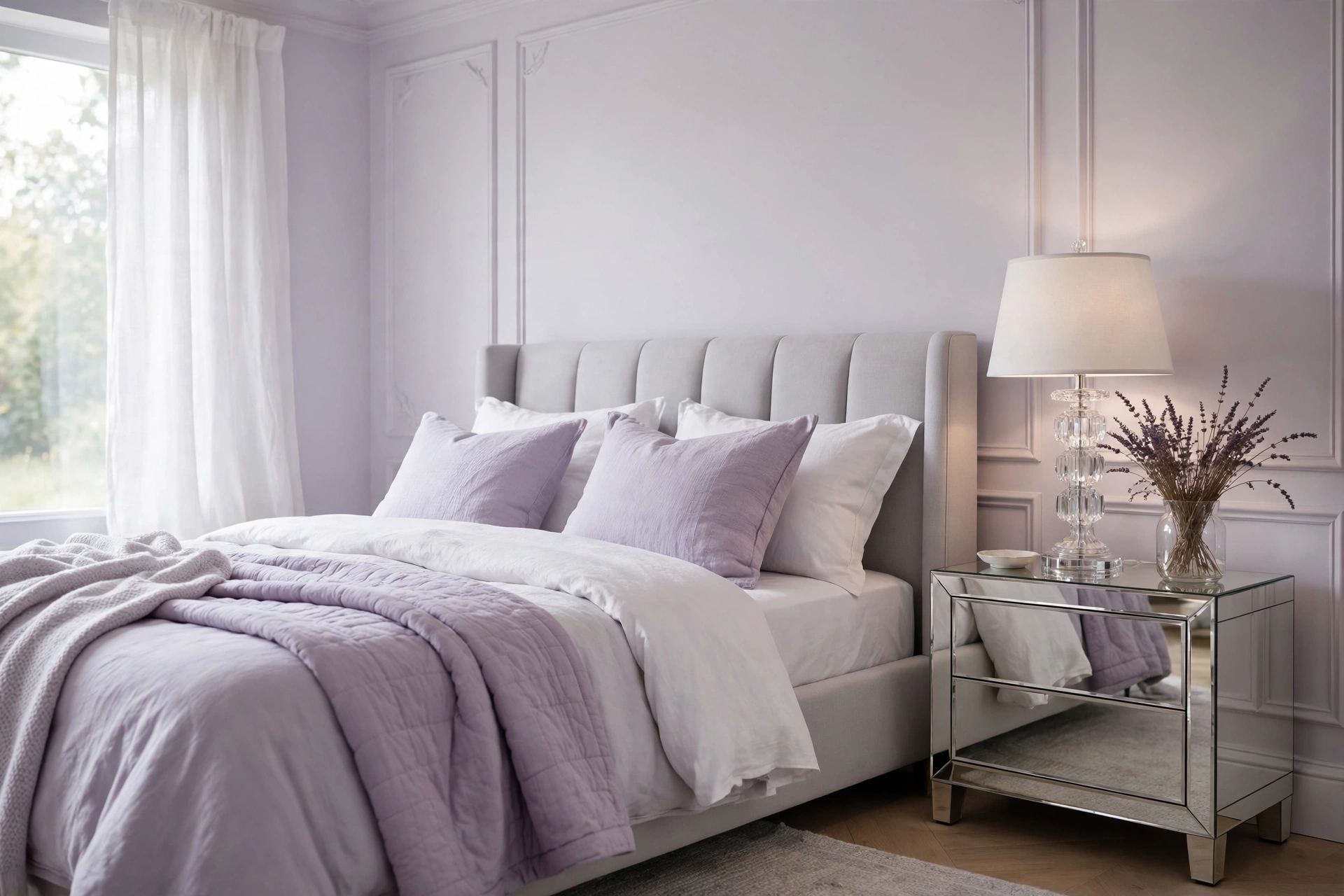
Lavender sits between blue’s calm and pink’s warmth, which gives it a uniquely dreamy quality. The palest lilac-grey versions read almost neutral in daylight and turn softly romantic under lamplight. It suits bedrooms that want serenity with a whisper of personality — and it pairs surprisingly well with both silver and gold accents.
12. Charcoal for a Bold, Sophisticated Edge
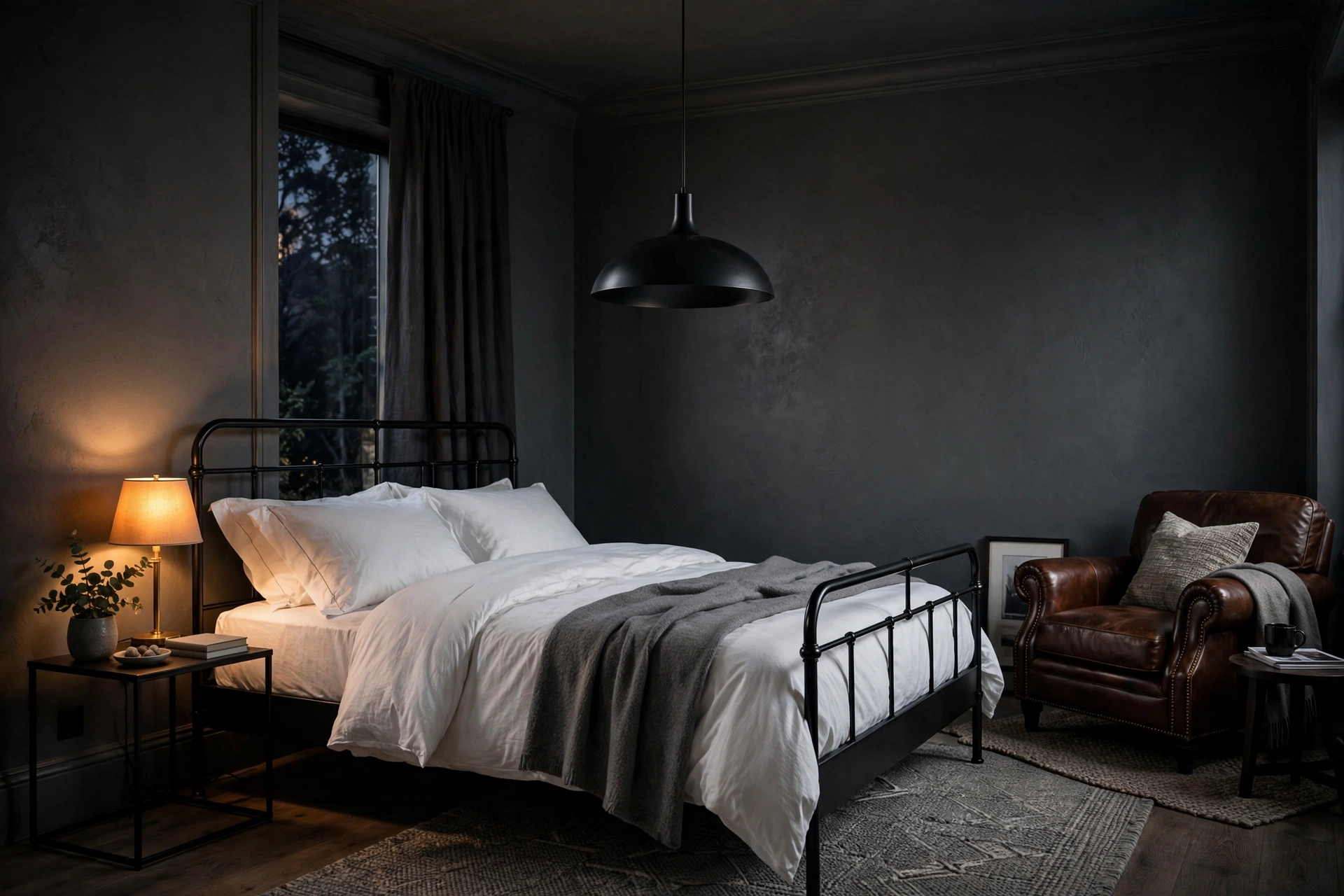
Charcoal is the city-dweller’s answer to navy: modern, graphic, and effortlessly cool. Against near-black walls, white bedding looks gallery-crisp and a single art print carries the whole room. The trick is contrast — keep the ceiling and trim bright white so the dark walls feel like a choice, not a cave.
13. Colour Drenching for a Seamless, Cocooning Look
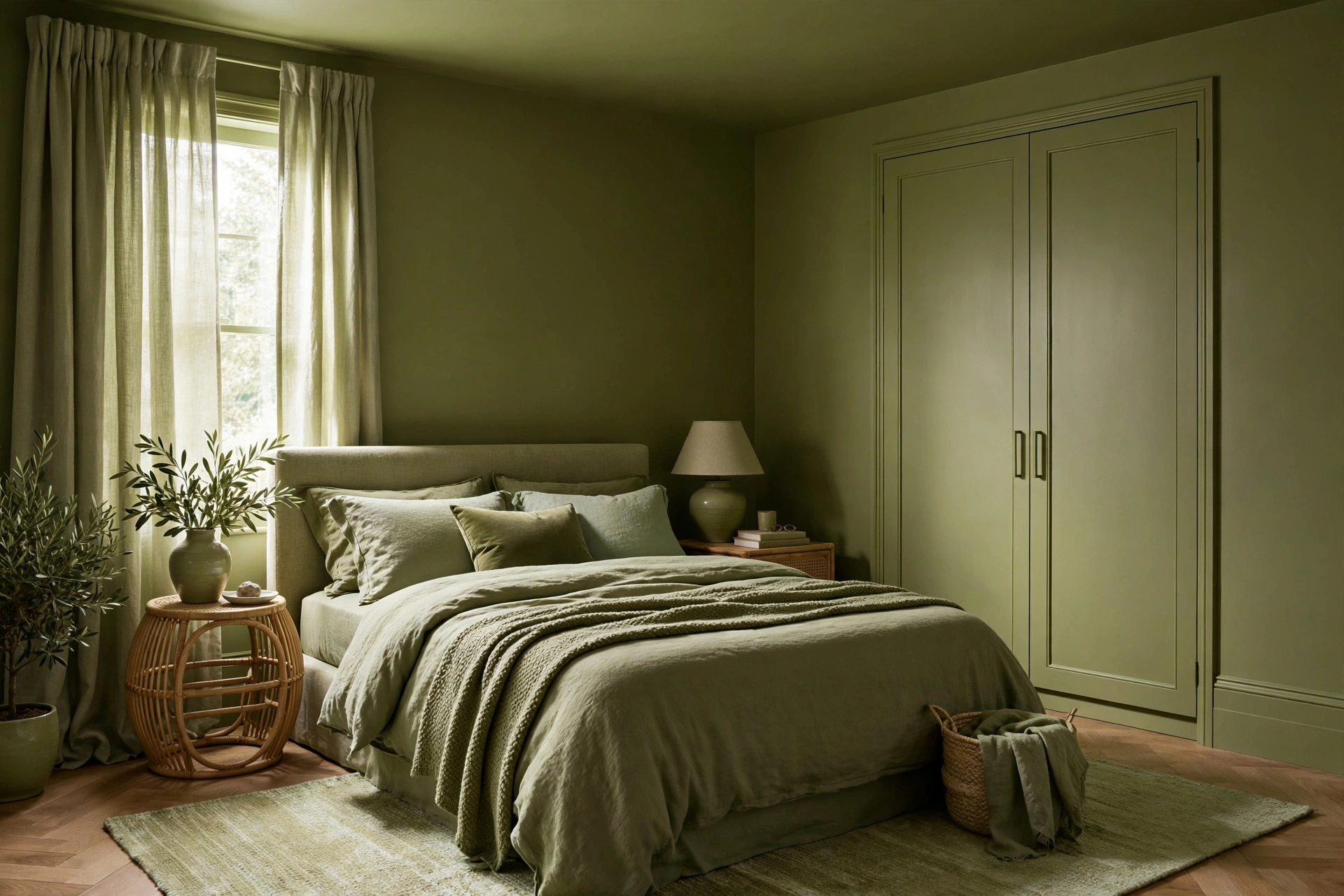
Colour drenching — painting walls, ceiling, skirting, and even doors in one shade — is the technique behind the most striking modern bedrooms. It erases every visual boundary, so the room feels seamless, larger, and deeply cocooning. Mid-tone shades like olive, warm taupe, or dusty blue work best; it is one of the most forgiving bedroom design ideas for rooms with awkward angles or dated trim, because everything simply disappears into the colour.
14. A Painted Ceiling for Unexpected Polish
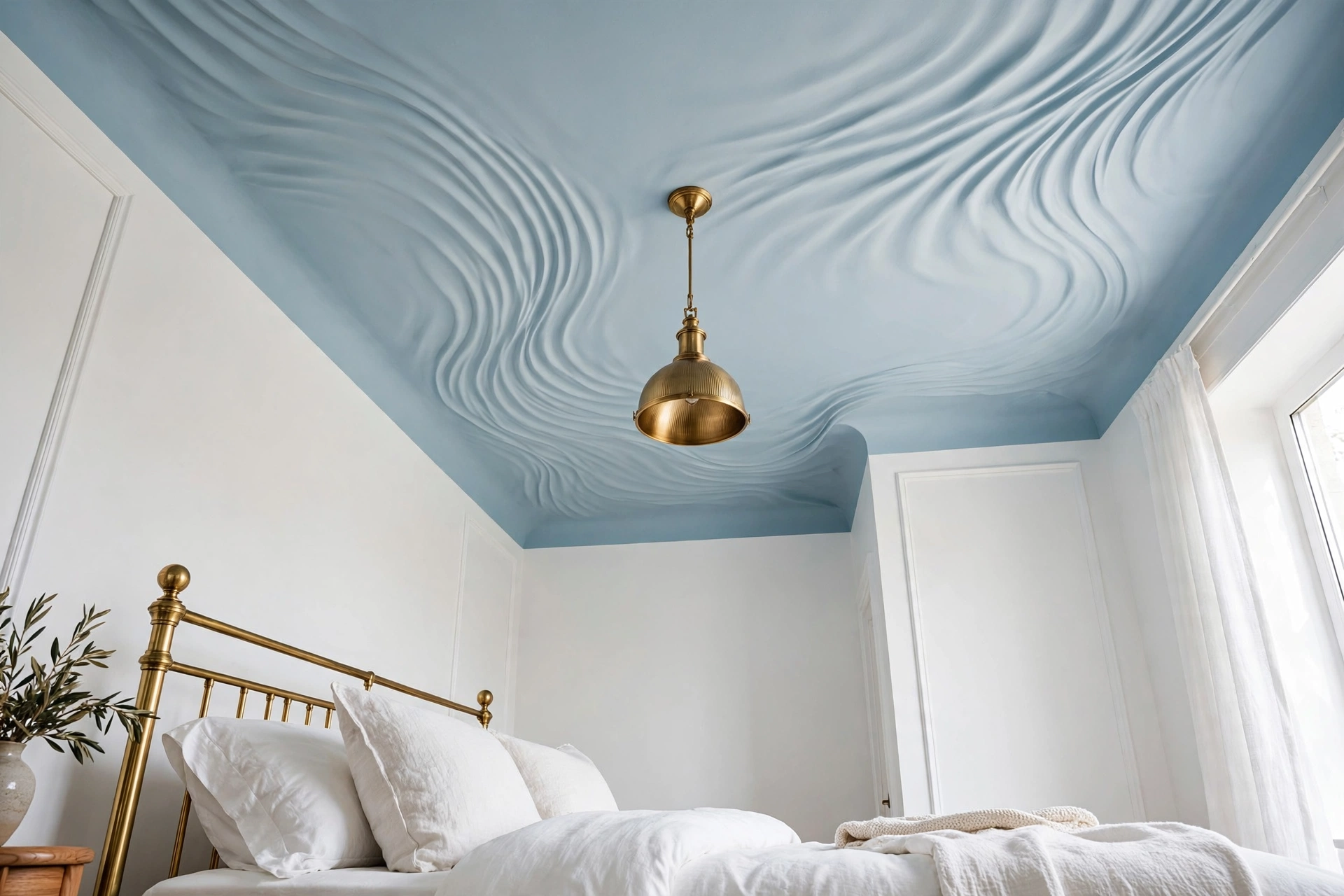
The ceiling is the most underused surface in the bedroom — you stare at it every night, yet most people leave it white. A soft powder blue, pale blush, or even a deep navy overhead adds instant designer polish for the cost of one extra tin. Keep the walls calm and let the ceiling be the surprise; it draws the eye up and makes the whole room feel considered.
Frequently Asked Questions
What is the best color for a bedroom?
There is no single best colour — it depends on the mood you want. Soft blues, greens, and warm neutrals are the safest all-rounders for calm, while deep navy, forest green, and charcoal create drama. Choose based on how you want to feel, not on trends alone.
What bedroom colors help you sleep better?
Muted, low-saturation colours help most: dusty blue, sage green, soft grey, and warm white. They lower visual stimulation and make the room feel quieter. Avoid bright reds, oranges, and neon tones on large surfaces if restful sleep is the goal.
Should bedroom walls be light or dark?
Light walls suit small or north-facing rooms because they reflect daylight and feel airier. Dark walls suit bedrooms with decent daylight where you want intimacy and drama — they absorb light and make the room feel cocooning, especially in the evening.
How do I choose a bedroom color scheme?
Start with the mood, then the light. Decide whether you want calm, cosy, romantic, or dramatic; then test 2–3 sample pots on the wall and check them in morning and evening light. Paint always looks different on the wall than on the swatch — never skip the sample.
Is it better to paint the bedroom ceiling white or a color?
White ceilings feel higher and airier, which suits small rooms. A painted ceiling adds character and intimacy, and works beautifully with calm walls. If you paint it, keep the shade soft — or go bold on purpose, like a deep navy for a starry-night effect.
Conclusion
The right bedroom colour does not just decorate the room — it sets the emotional temperature of your evenings and your mornings. Start with the mood you want, test your shortlist in real light, and do not be afraid of the deeper shades: some of the calmest bedrooms are the darkest ones. Pick one of these 14 bedroom color ideas, open a tin, and let the room do the rest.
