
A pollinator garden is the prettiest way to help nature — and the easiest. Bees, butterflies, and hummingbirds need only sunny flowers, a little water, and a safe place to rest. These 31 beautiful pollinator garden ideas work in big yards, small beds, and balcony pots.
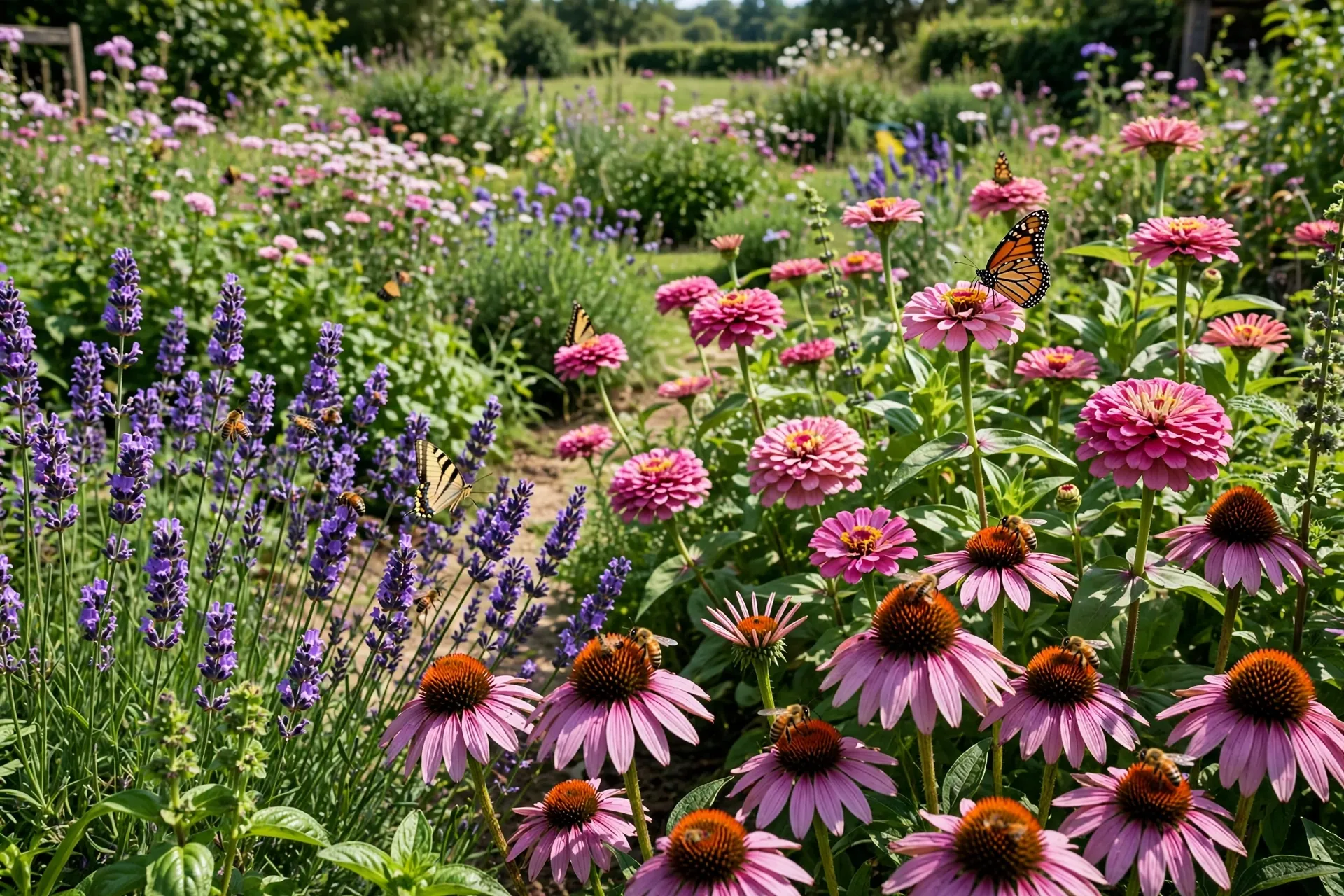
1. Plant a Sunny Flower Border
Plant coneflowers, salvia, coreopsis, and yarrow in drifts of three to seven — big blocks are easier for bees to find.
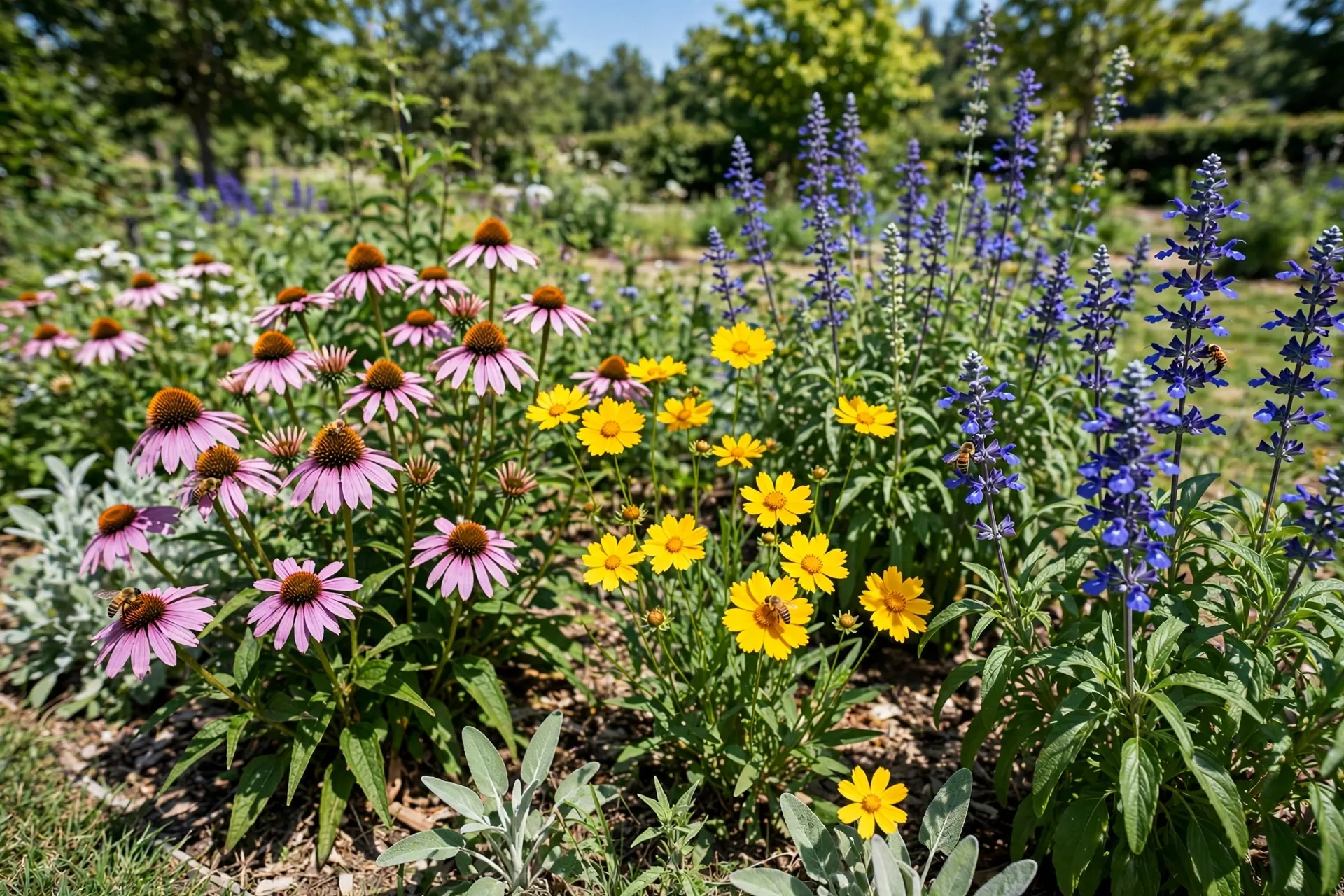
2. Grow Milkweed for Monarchs
Milkweed is the plant monarchs cannot live without — the only place they lay eggs. Check the Xerces Society plant lists for the right native species.
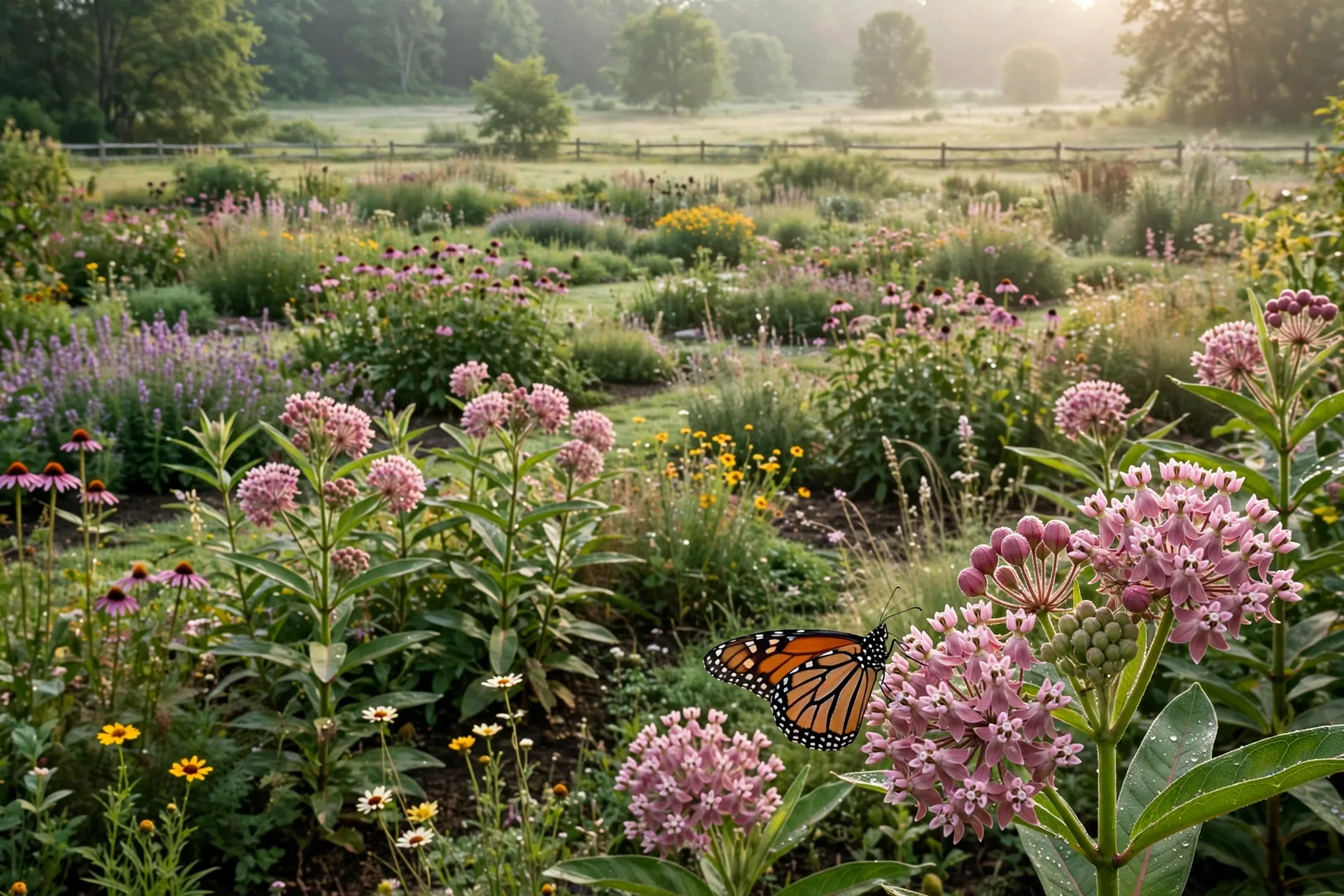
3. Make a Lavender Corner
A lavender corner is a bee magnet from early summer until fall. Plant it in full sun and sharp drainage, and trim lightly after flowering.
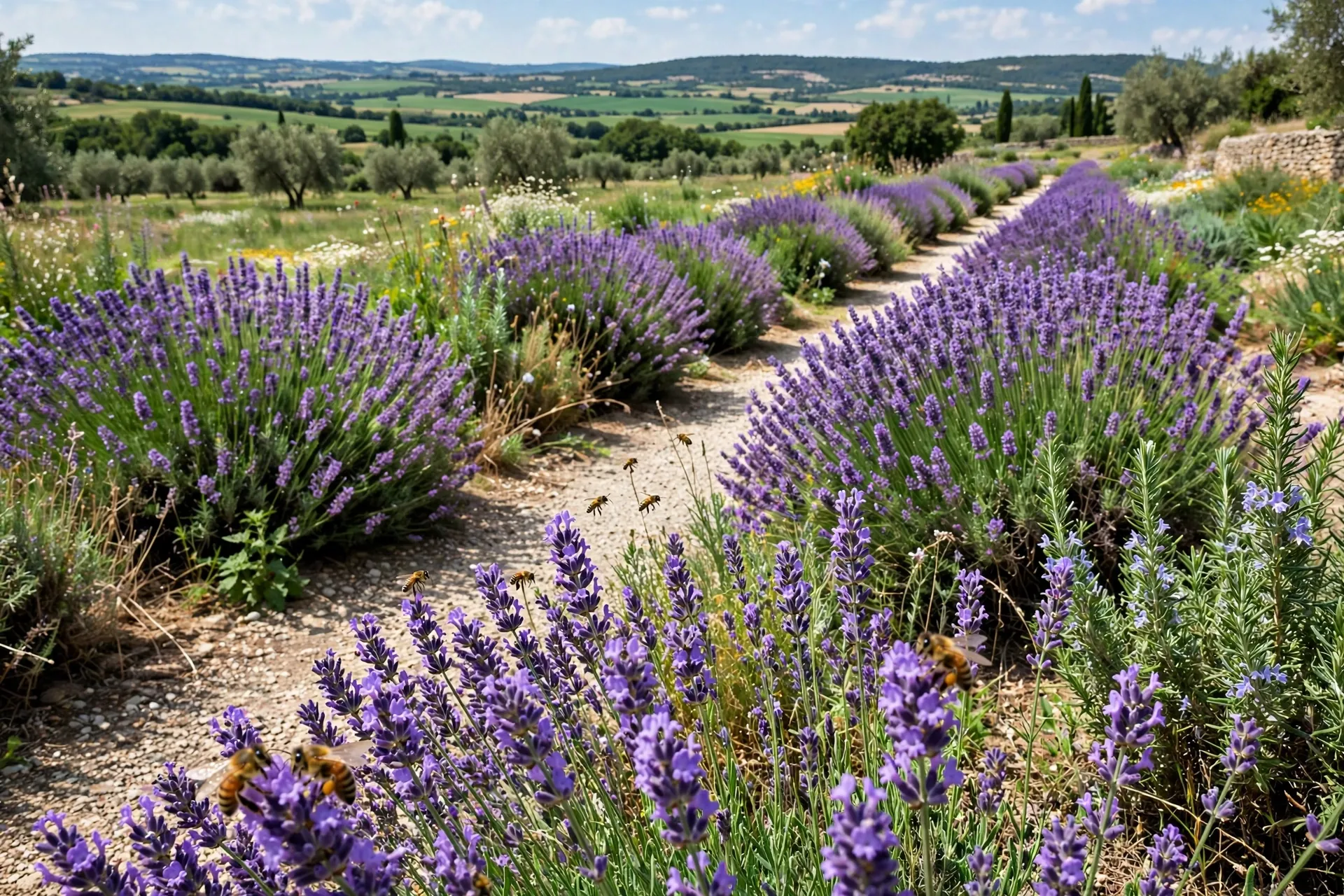
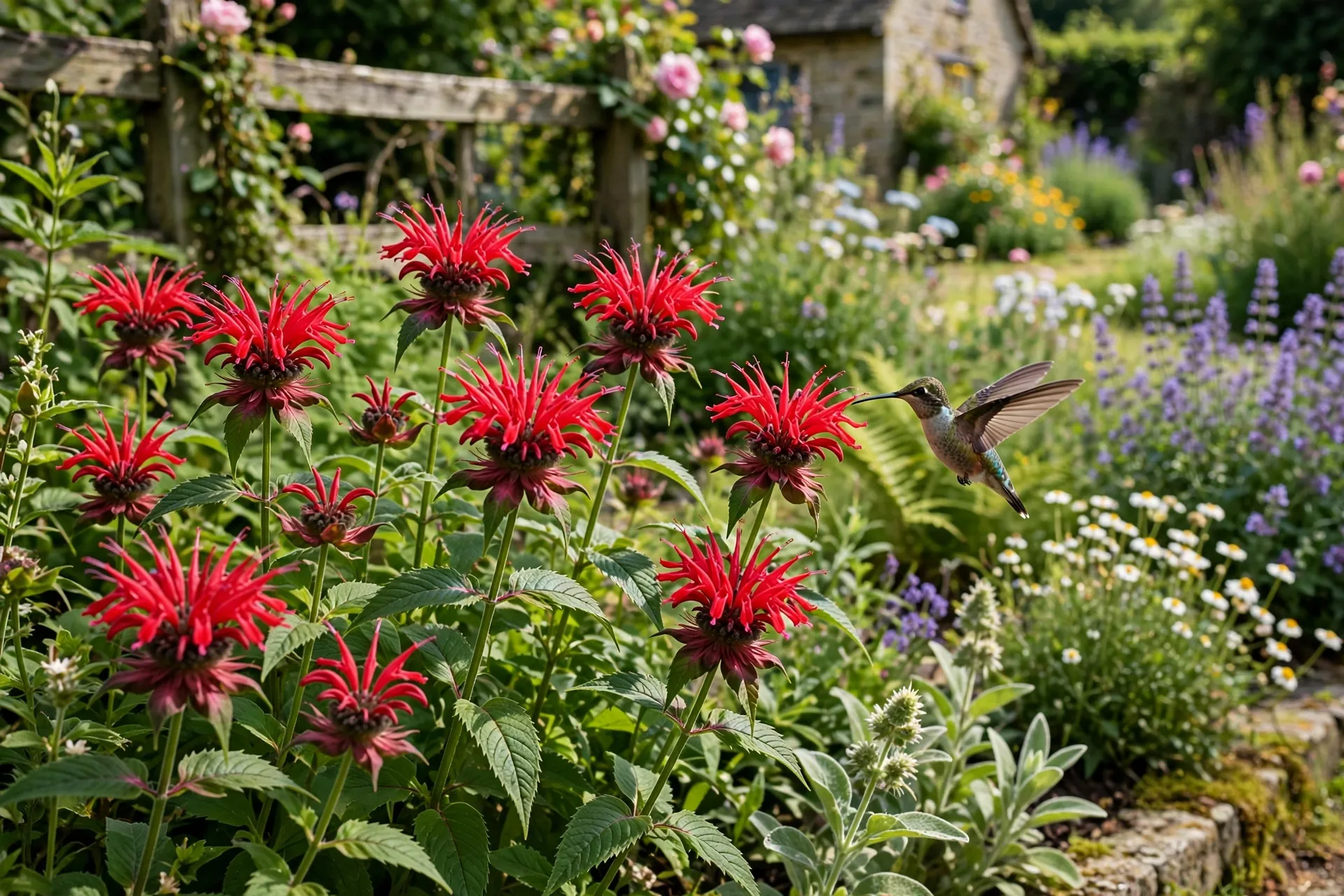
4. Fill a Cottage Border With Bee Balm
Bee balm brings hummingbirds, bees, and butterflies to the same scarlet, pink, or purple blooms all summer. Give it room to spread.
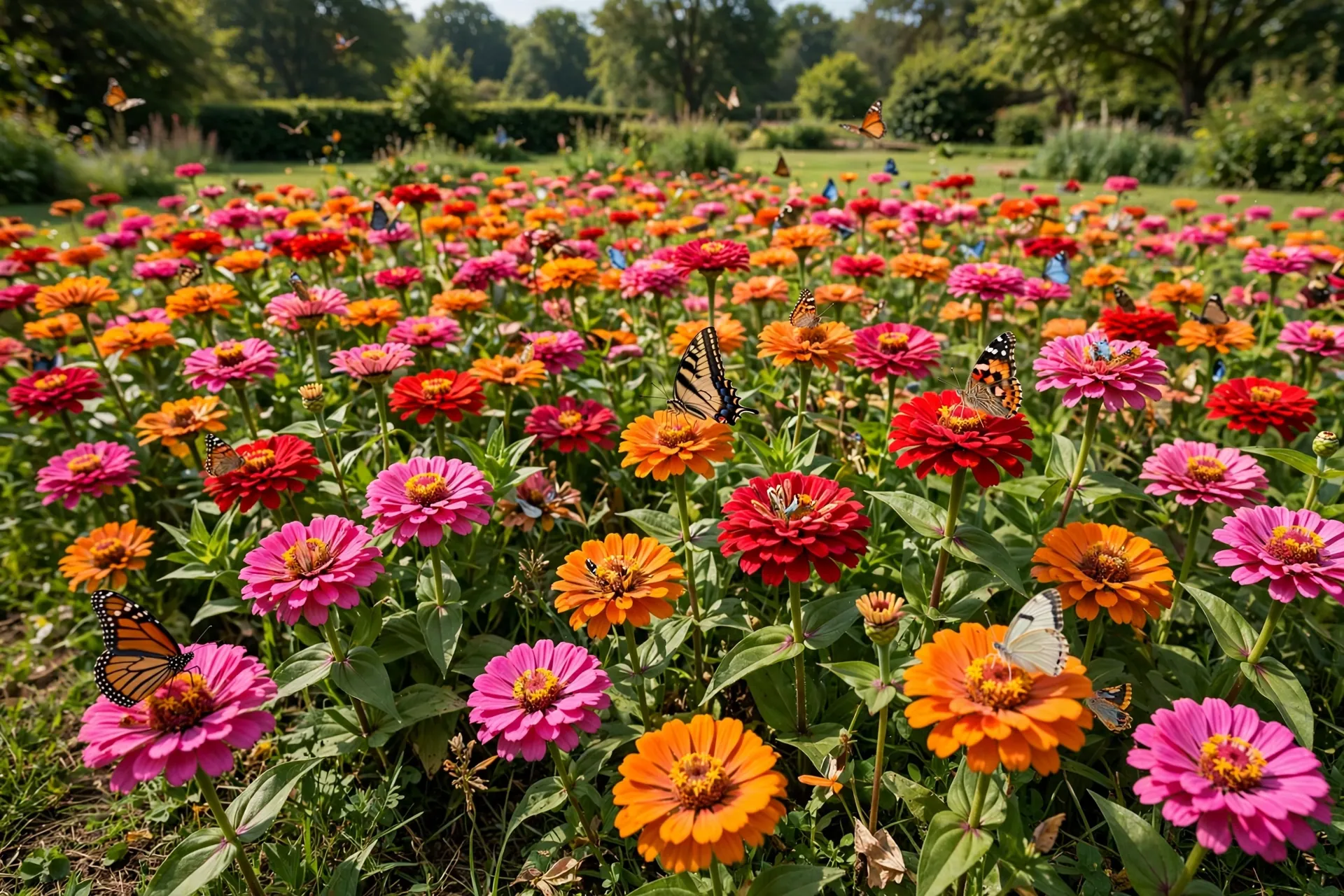
5. Sow a Zinnia Cutting Bed
Zinnias are the fastest route to a butterfly-filled garden — sow seed after the last frost for flowers in eight weeks. Plant them and cut stems often.
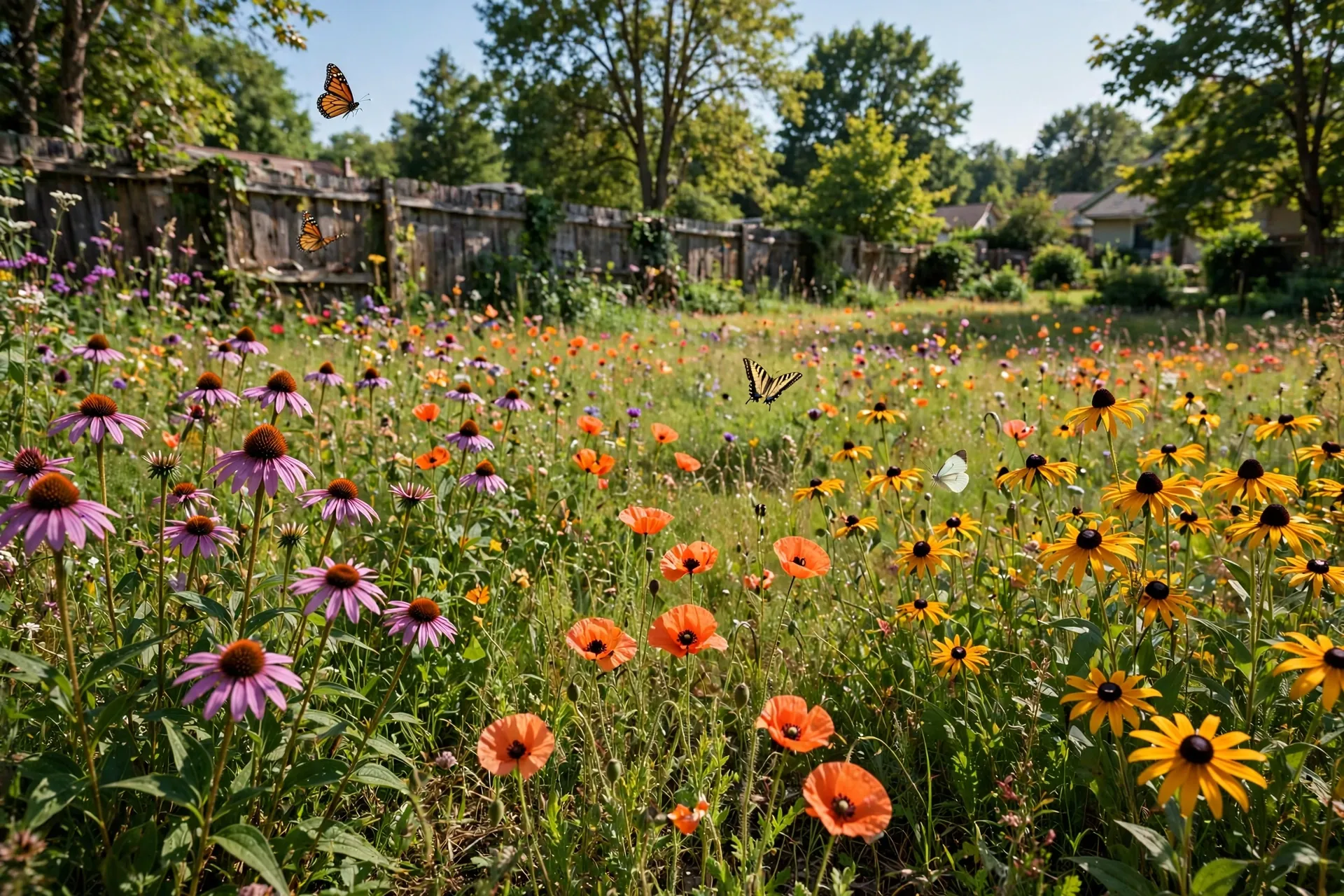
6. Turn a Lawn Corner Into a Wildflower Meadow
Swap a patch of lawn for a mini meadow of coneflower, black-eyed Susan, and poppies. Mow once a year — a natural next step after any backyard landscaping project.
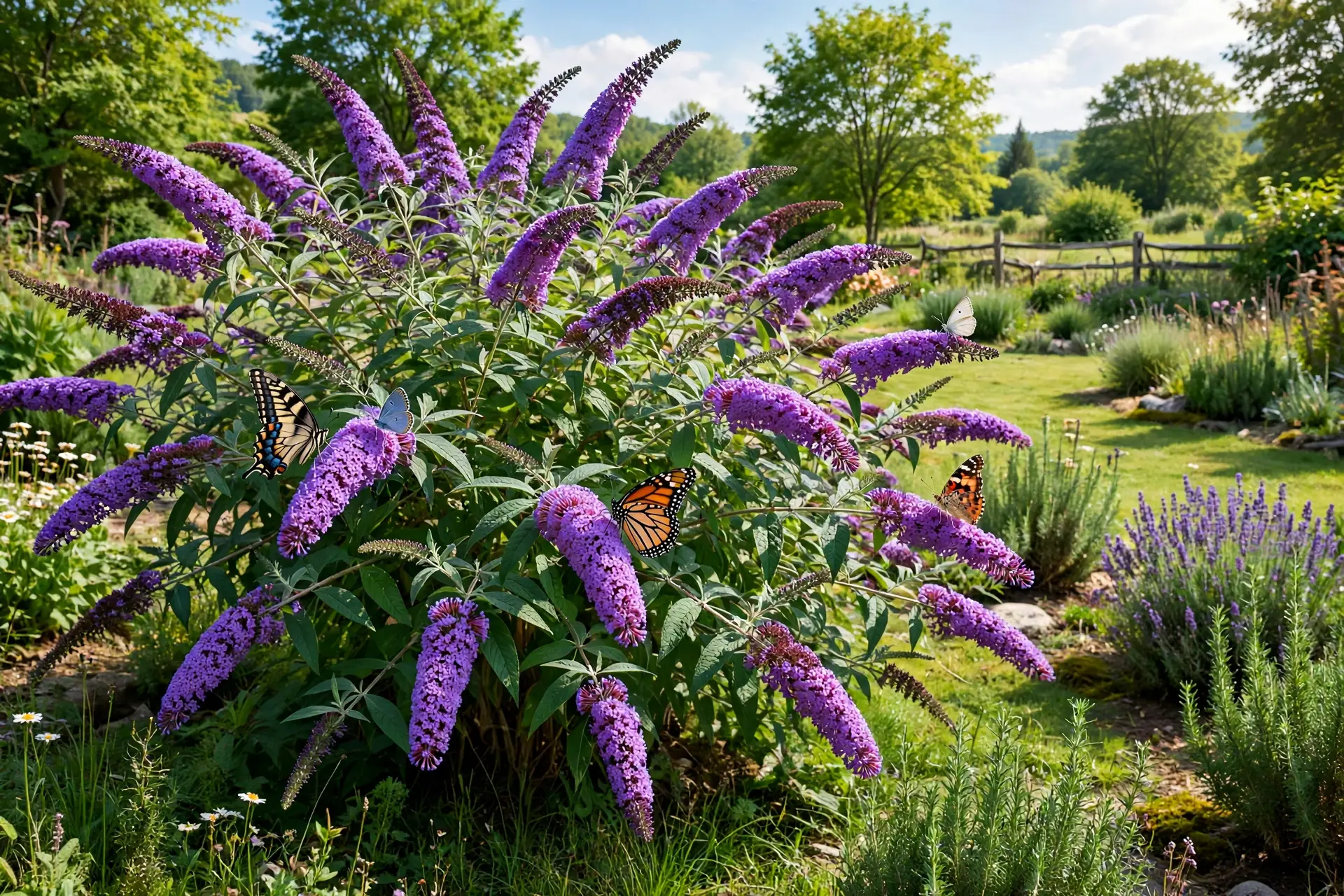
7. Anchor the Bed With a Butterfly Bush
One butterfly bush can hold a dozen butterflies on its purple spikes. Choose a sterile variety, plant in full sun, and deadhead for new blooms.
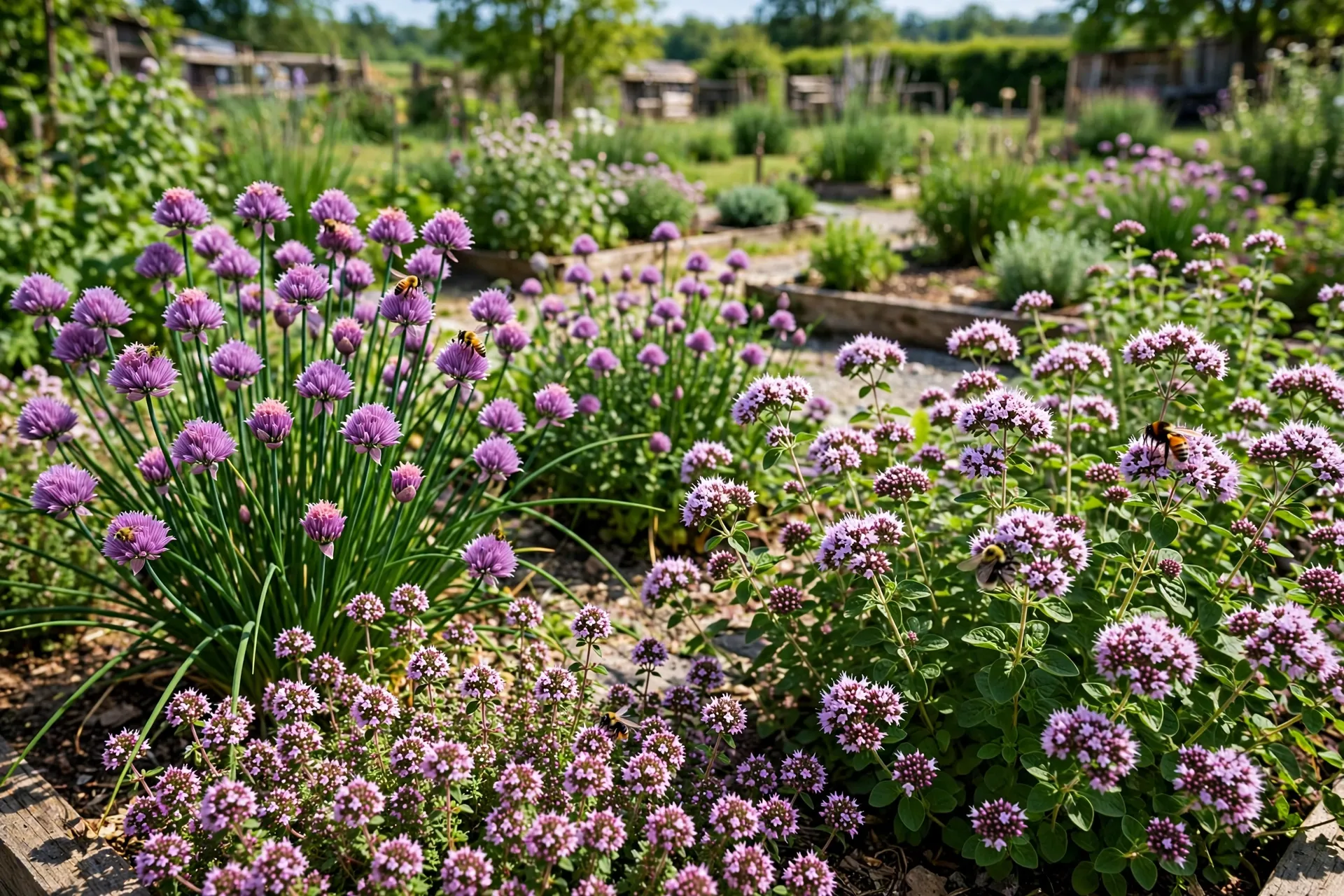
8. Mix Kitchen Herbs Into the Beds
Let some herbs flower and they become pollinator food: thyme, oregano, basil, chives, and rosemary all bloom with nectar bees love. Tuck them along bed edges.
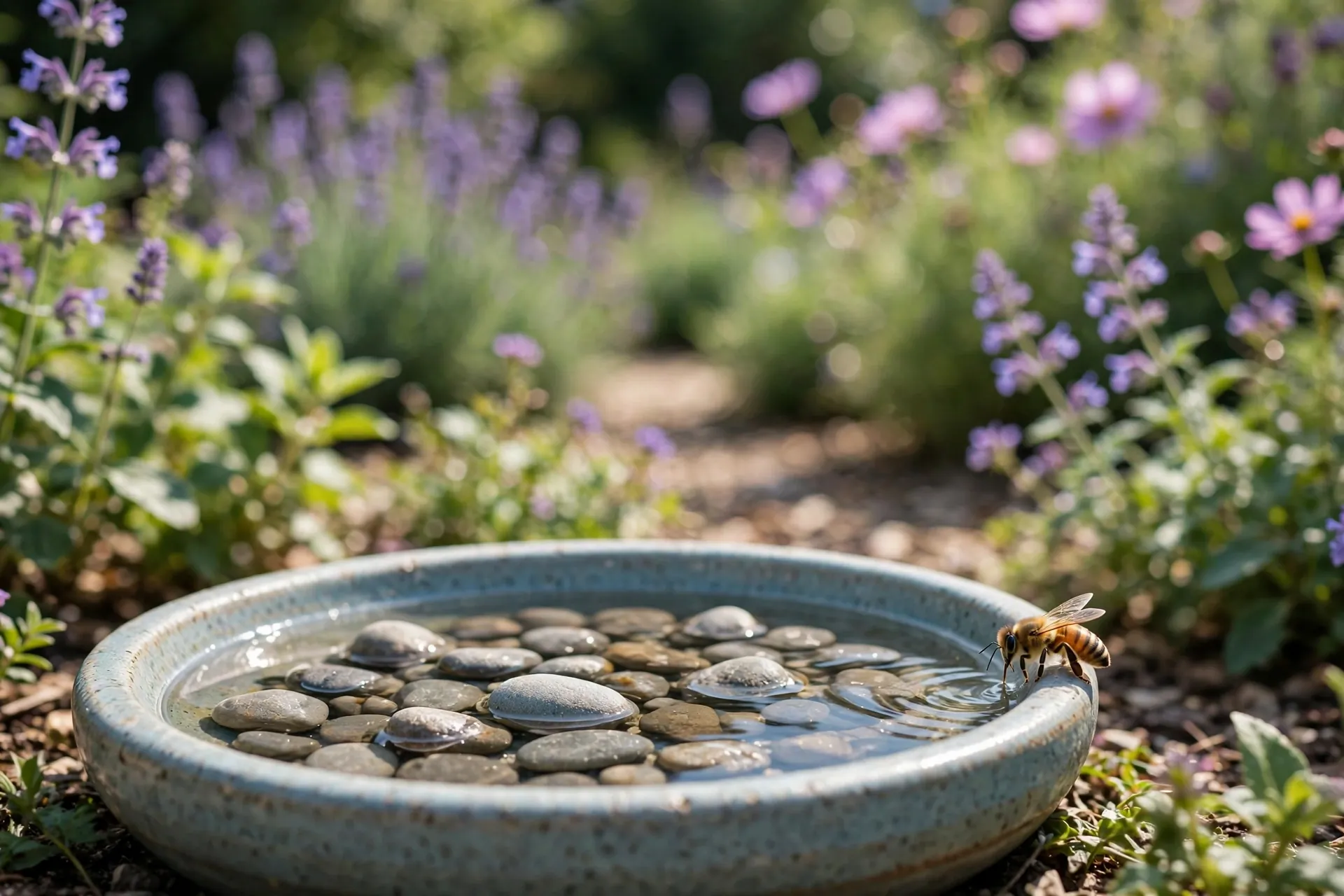
9. Set Out a Shallow Bee Bath
Bees get thirsty, and a shallow dish of water with pebbles gives them a safe place to land and drink. Set it in sun and top it up daily.
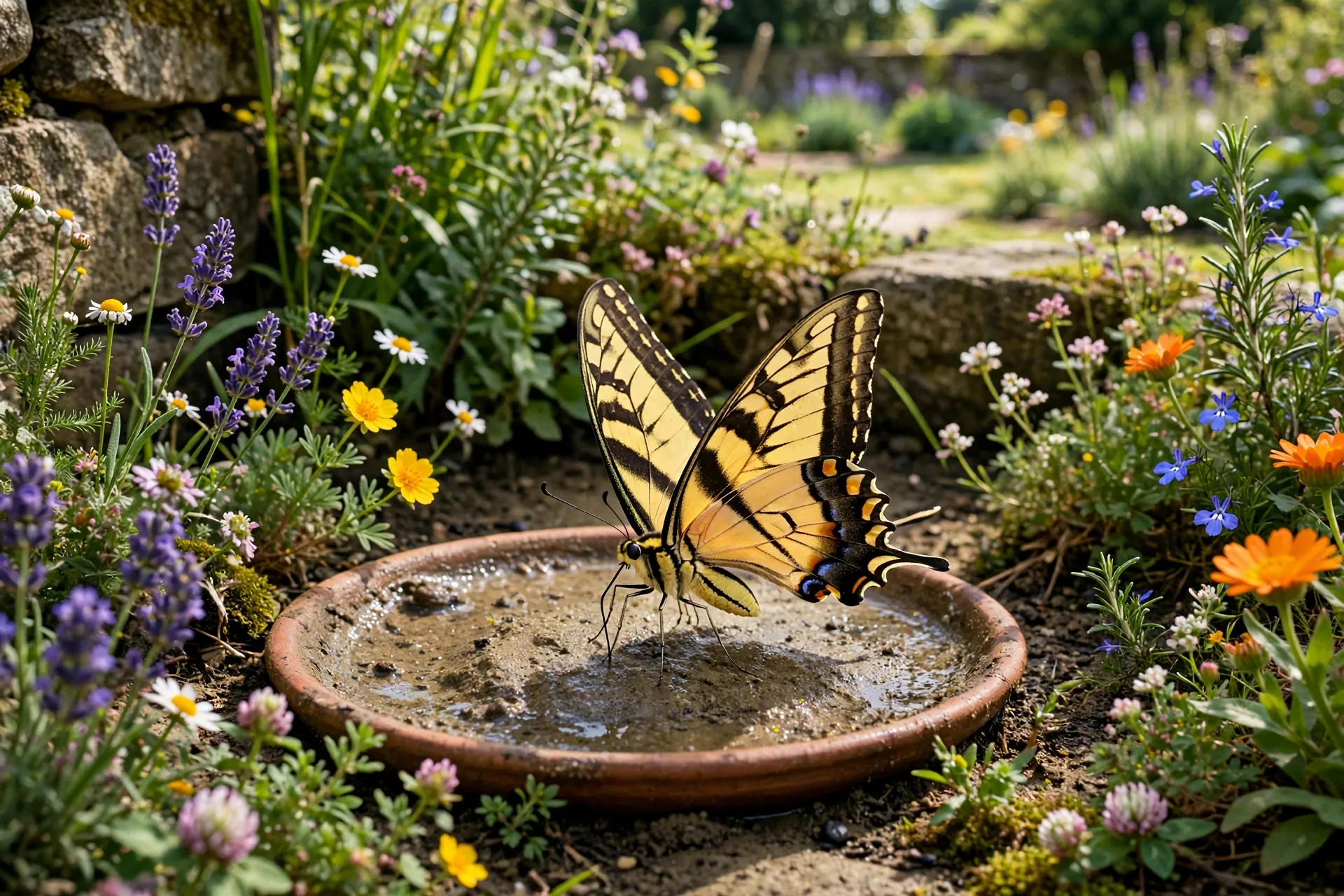
10. Build a Butterfly Puddling Station
Butterflies sip minerals from damp soil, so a shallow dish of wet sand with a pinch of salt becomes a puddling station. Keep it moist through summer.
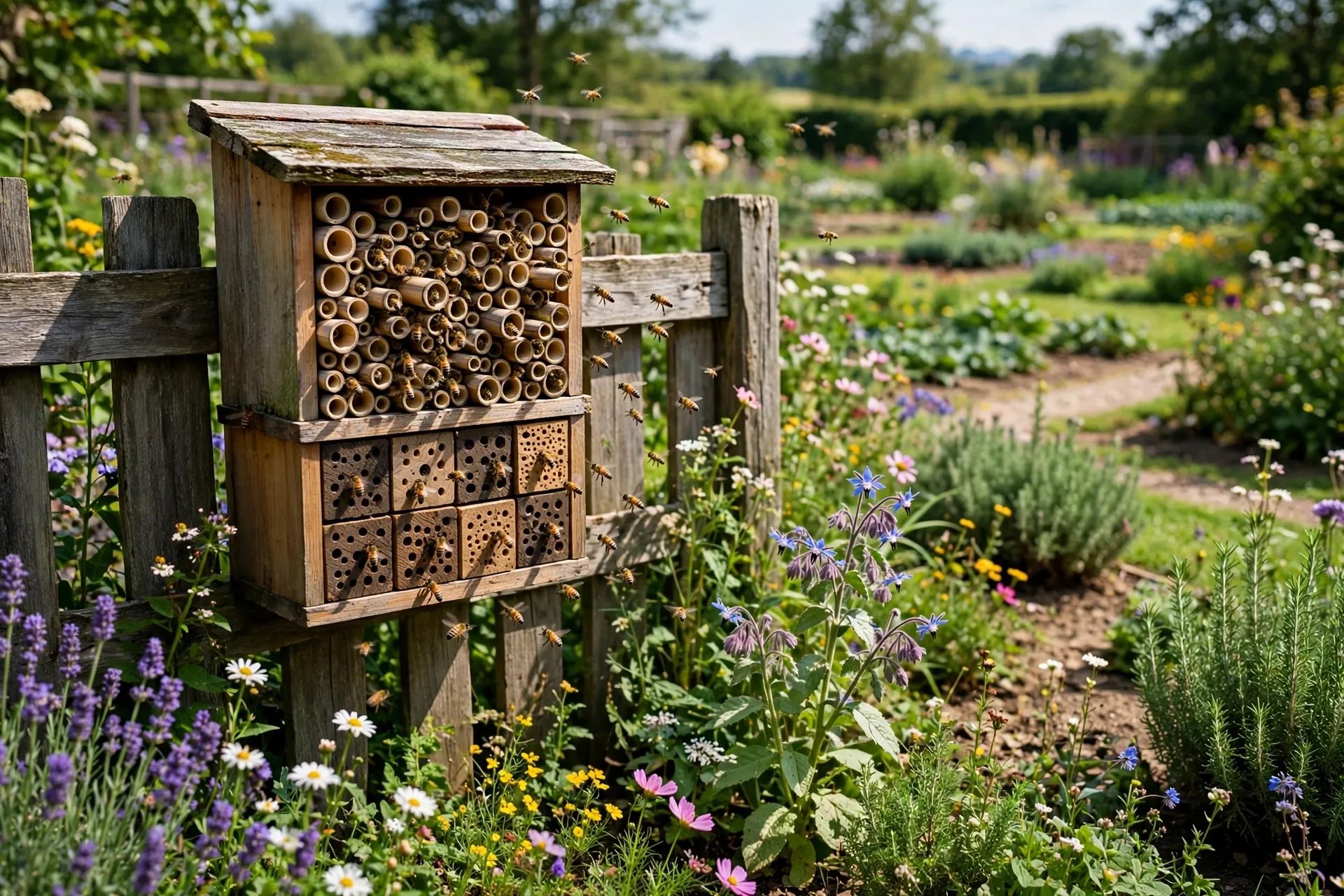
11. Hang a Bee Hotel for Solitary Bees
Most native bees nest alone in hollow stems and tiny tunnels, not hives. Hang a bee hotel of drilled wood or bamboo tubes facing south-east.
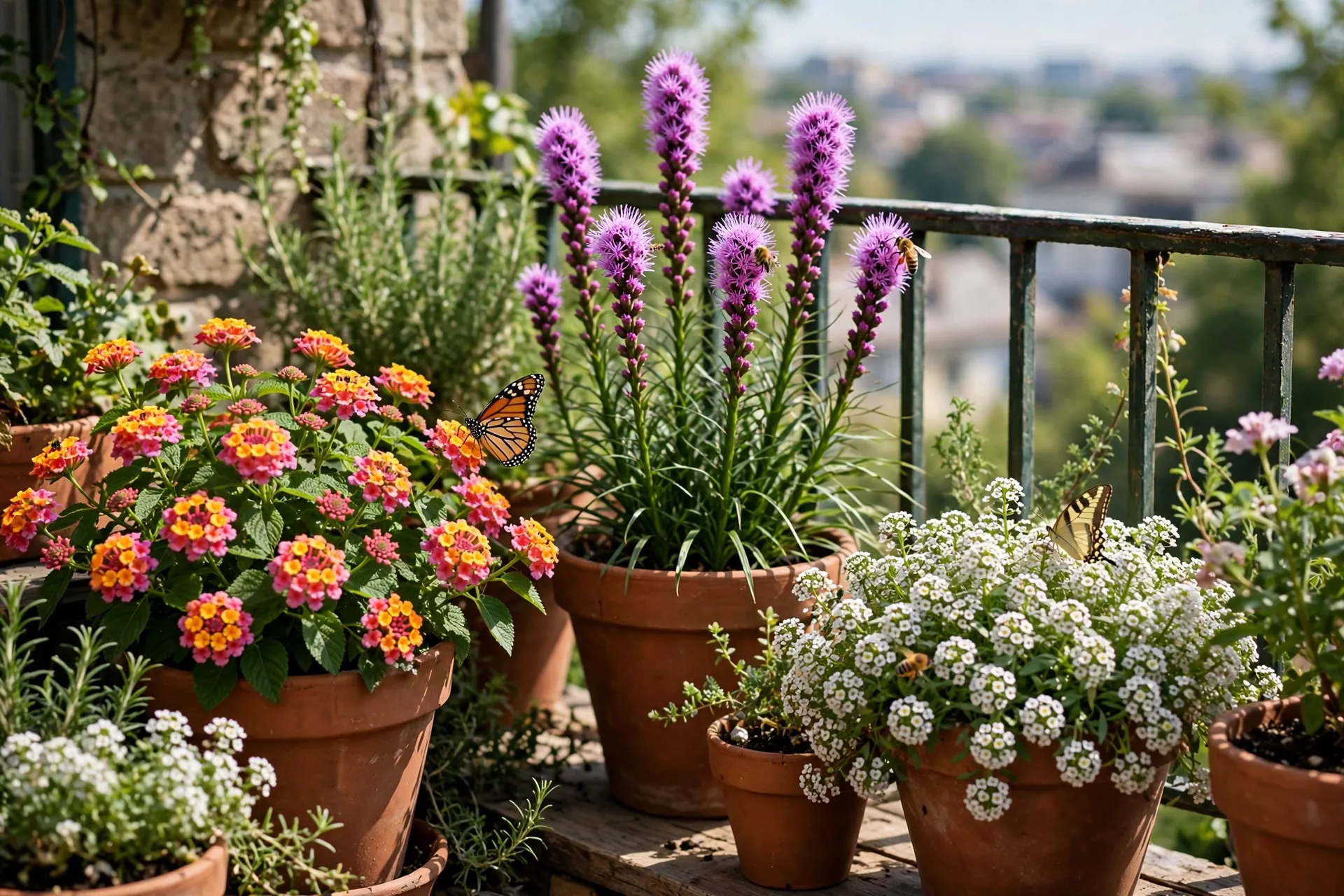
12. Fill Pots for a Balcony Pollinator Garden
No yard? Fill pots with tall liatris, lantana, and trailing sweet alyssum. Bees will find them even floors up — a perfect patio project.
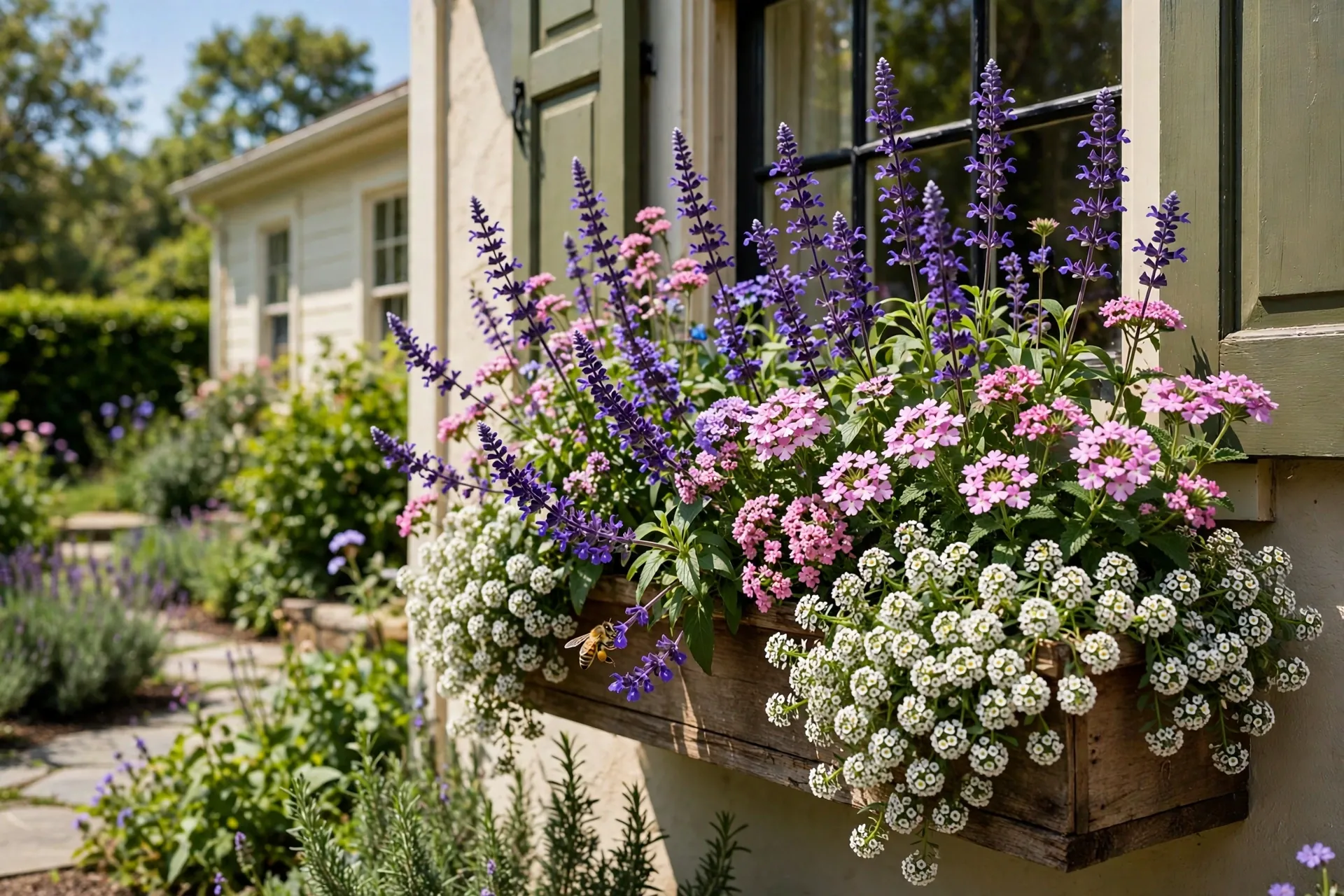
13. Dress a Window Box With Pollinator Blooms
A window box of salvia, verbena, and sweet alyssum turns a window into a pollinator pit stop. Bees visit at eye level, and it takes under an hour to plant.
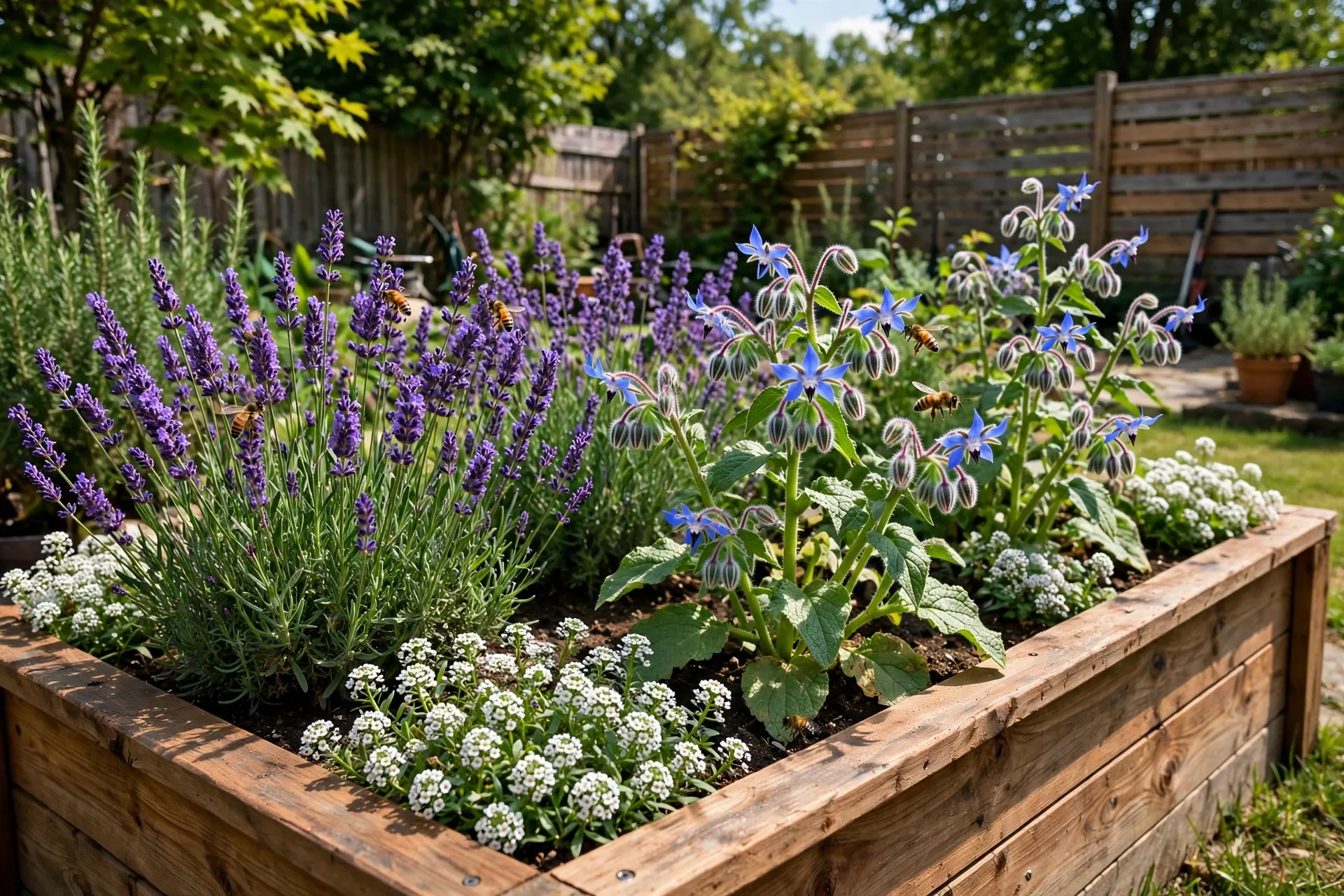
14. Build a Cedar Raised Bed
A cedar raised bed makes a tidy pollinator garden. Fill it with lavender, white alyssum, and blue borage, and bees arrive from early summer.
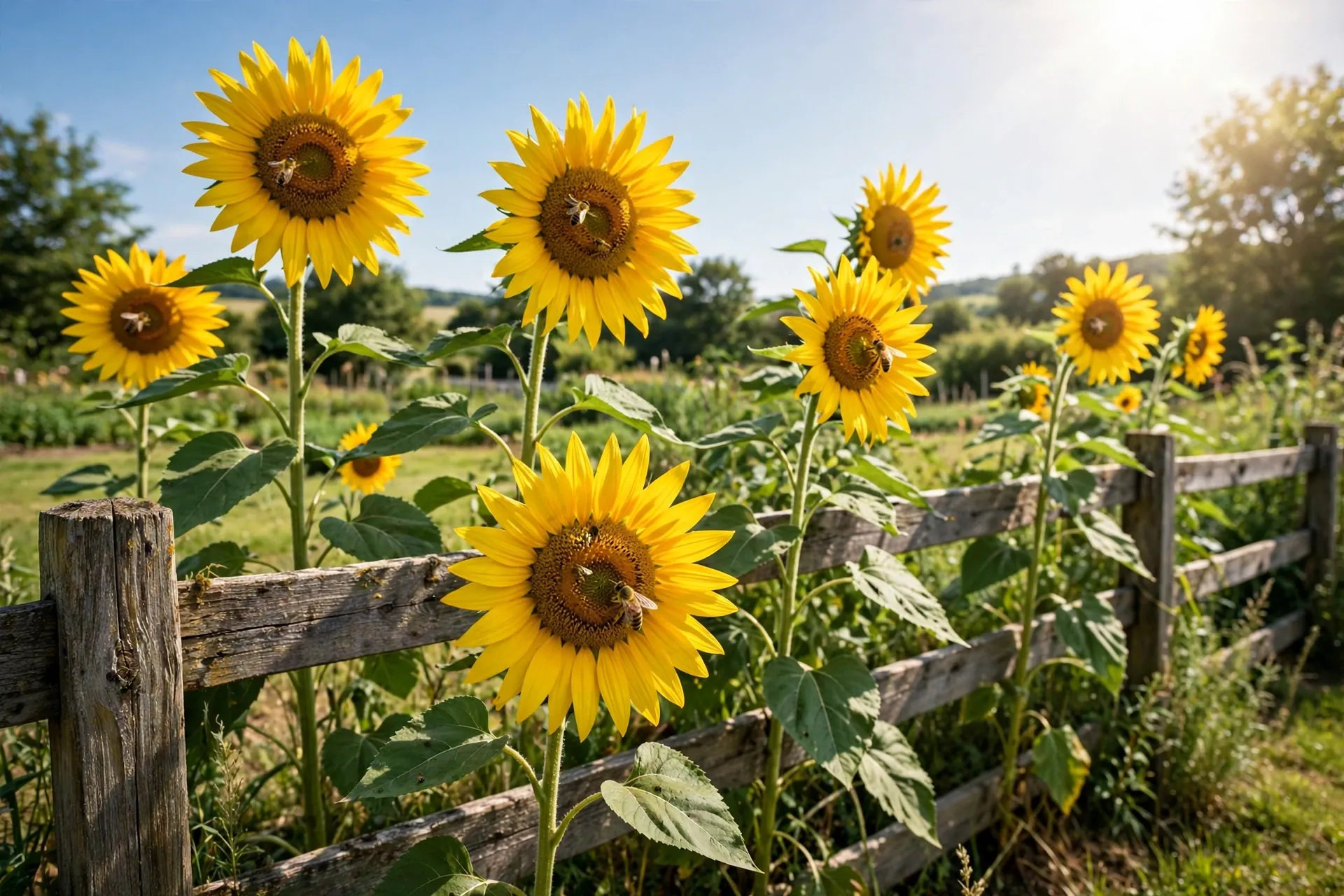
15. Line the Fence With Sunflowers
A fence-line row of sunflowers is a towering pollinator feast — bees work the golden heads all day, and birds eat the seeds later. Plant tall varieties behind short ones.
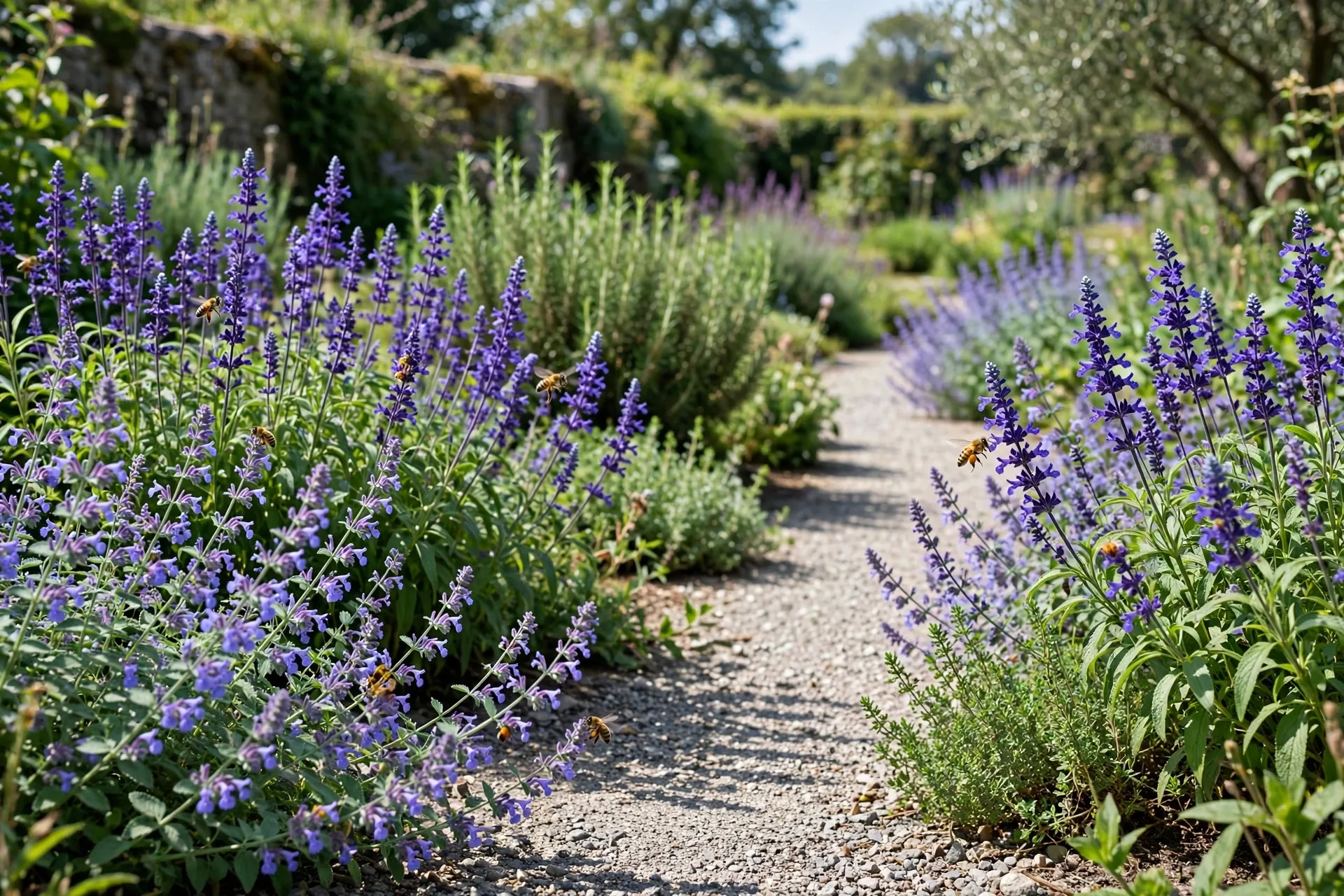
16. Drift Purple Salvia and Catmint Together
Purple salvia spikes over blue catmint is one of the prettiest — and most bee-loved — combinations in any garden. Repeat the drift along a path.
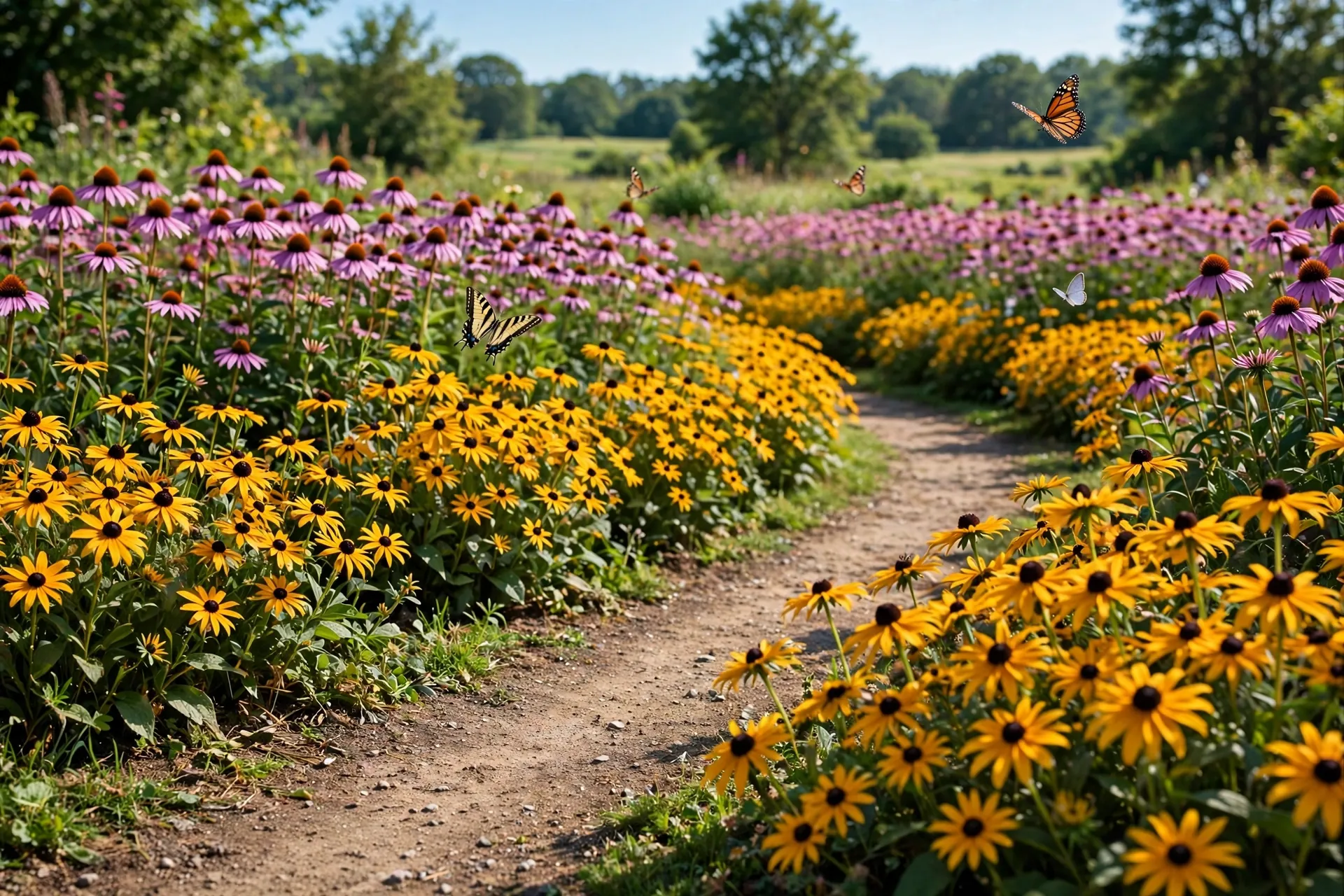
17. Edge Paths With Black-Eyed Susans
Black-eyed Susans edge a path with months of golden flowers from midsummer into fall. They self-seed gently and shrug off heat and poor soil.
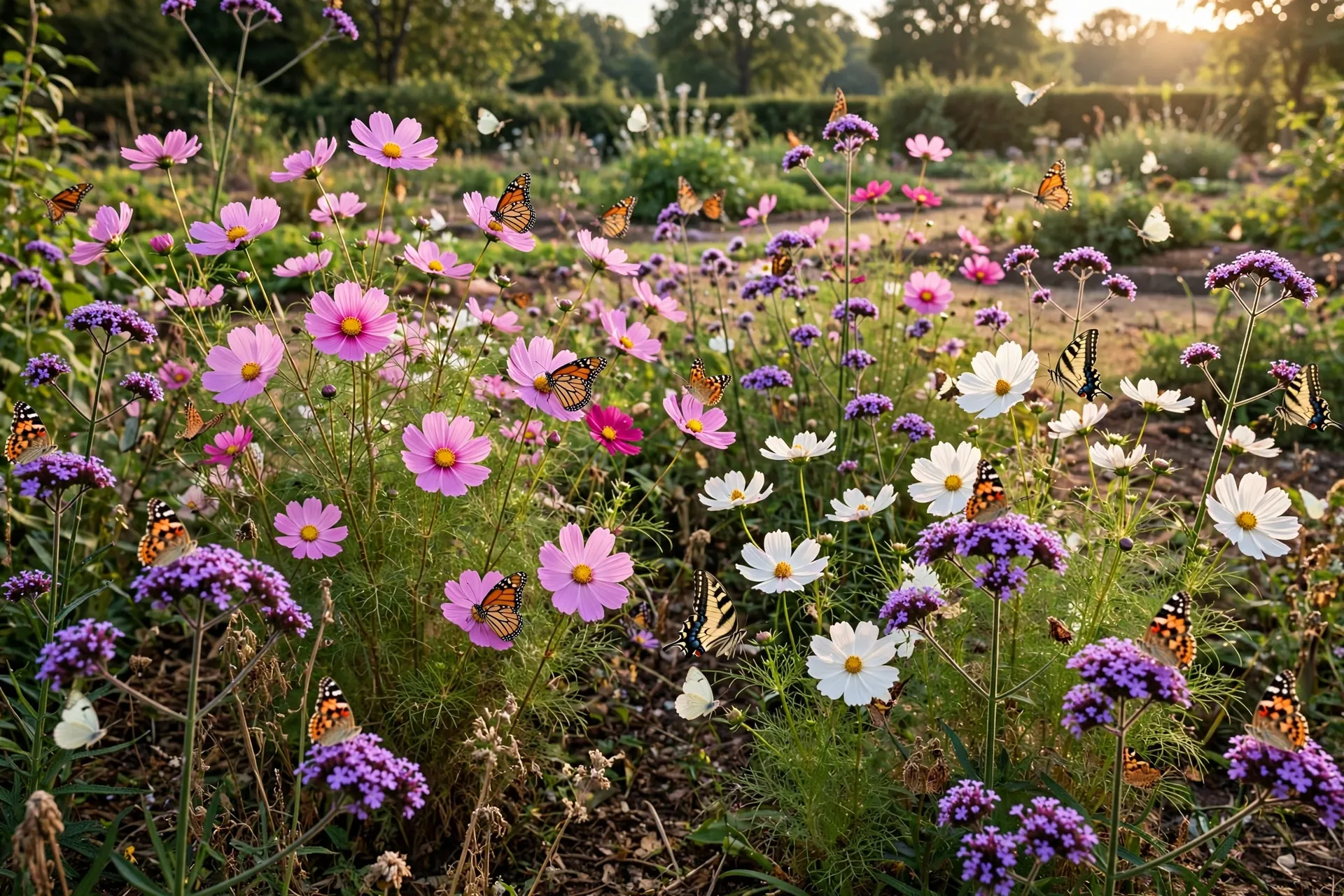
18. Sow Cosmos and Verbena for Late Summer
When early flowers fade, cosmos and verbena keep the garden buzzing through late summer. Sow cosmos in spring, tuck in verbena, and deadhead both.
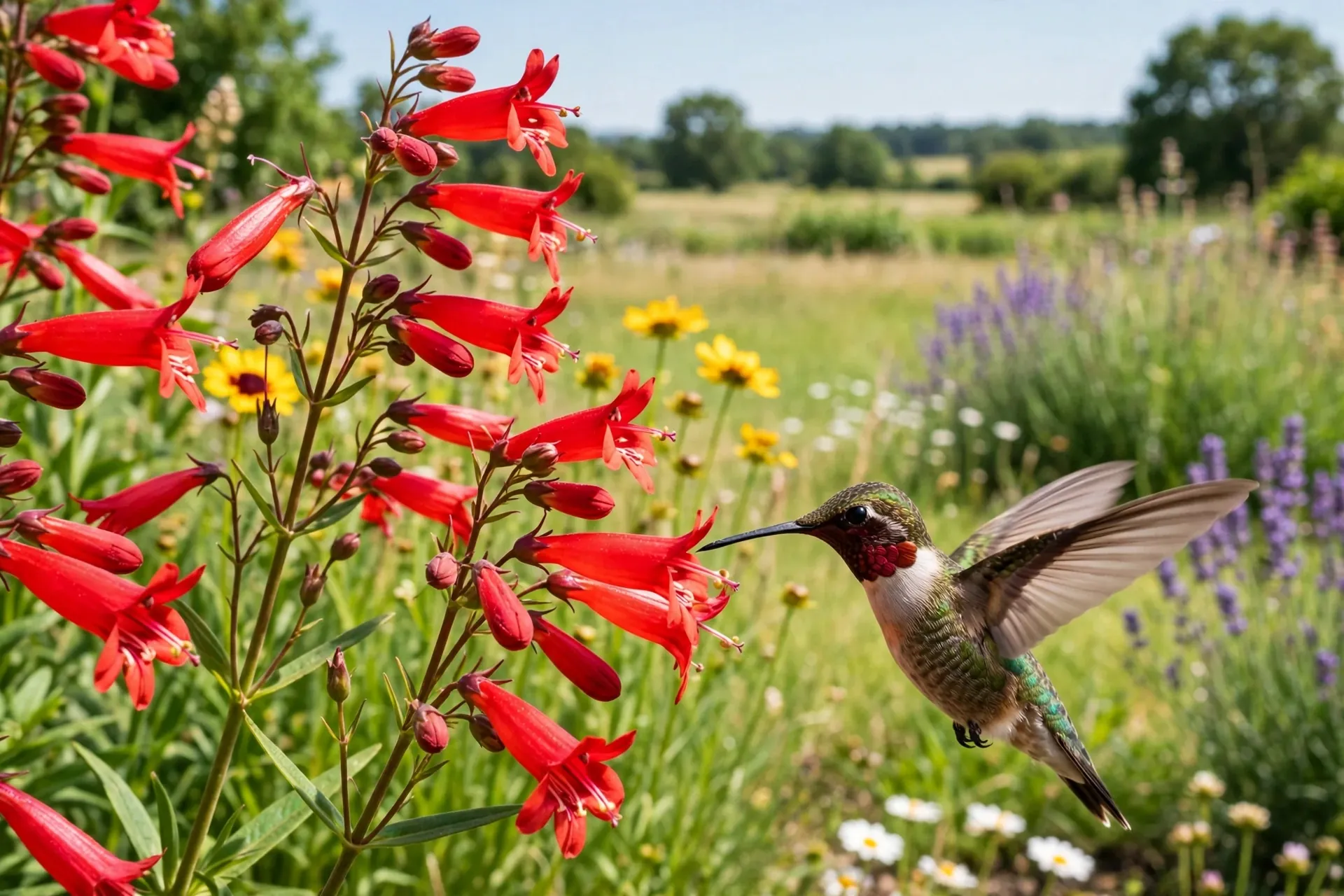
19. Plant Tubular Flowers for Hummingbirds
Hummingbirds need tubular red and pink flowers their long bills can reach: penstemon, trumpet vine, bee balm, and cardinal flower. Plant them near a window.
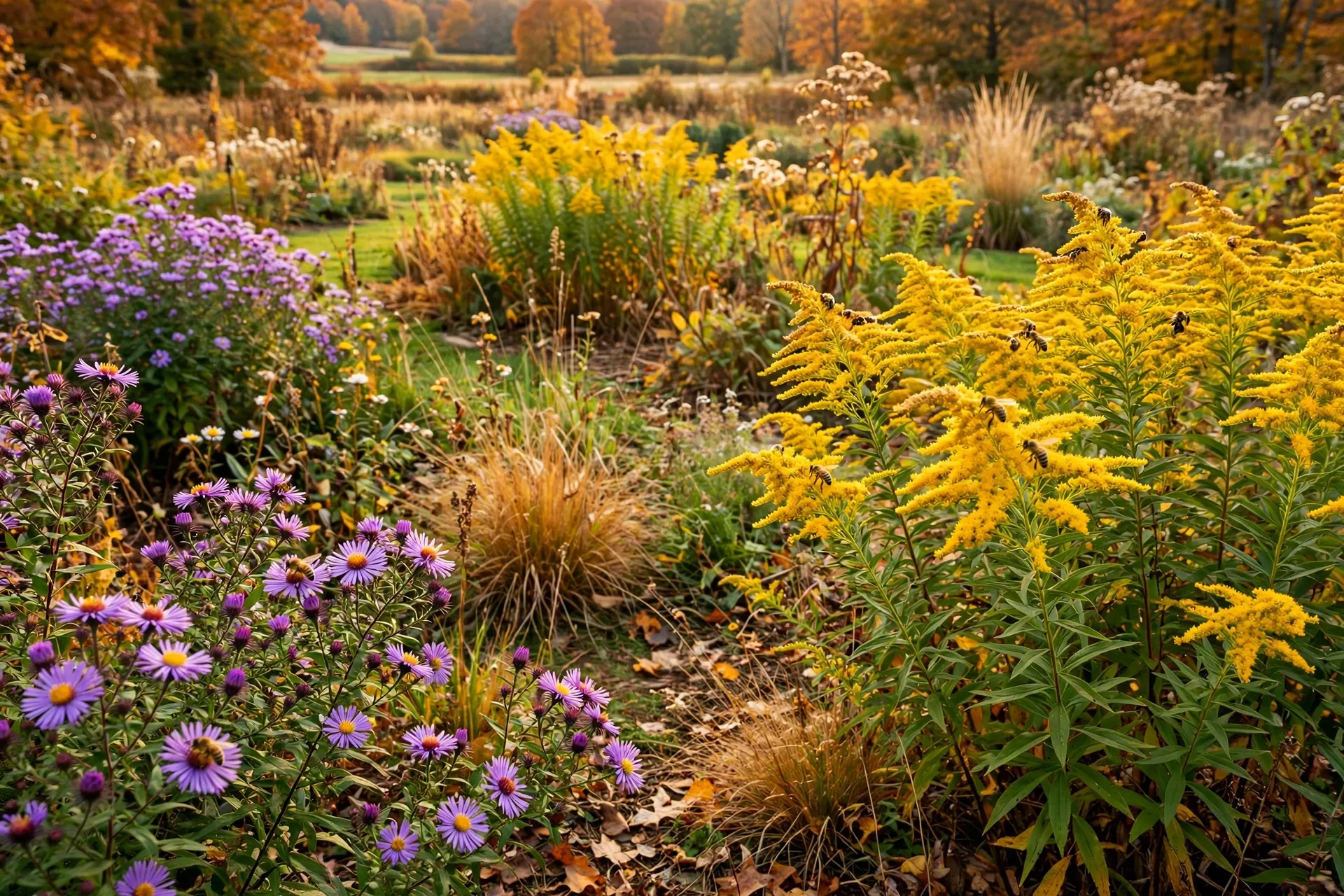
20. Keep Asters and Goldenrod for Fall
Fall is when pollinators need food most, and asters and goldenrod deliver it in purple and gold. Leave them standing through autumn — they feed migrating monarchs.
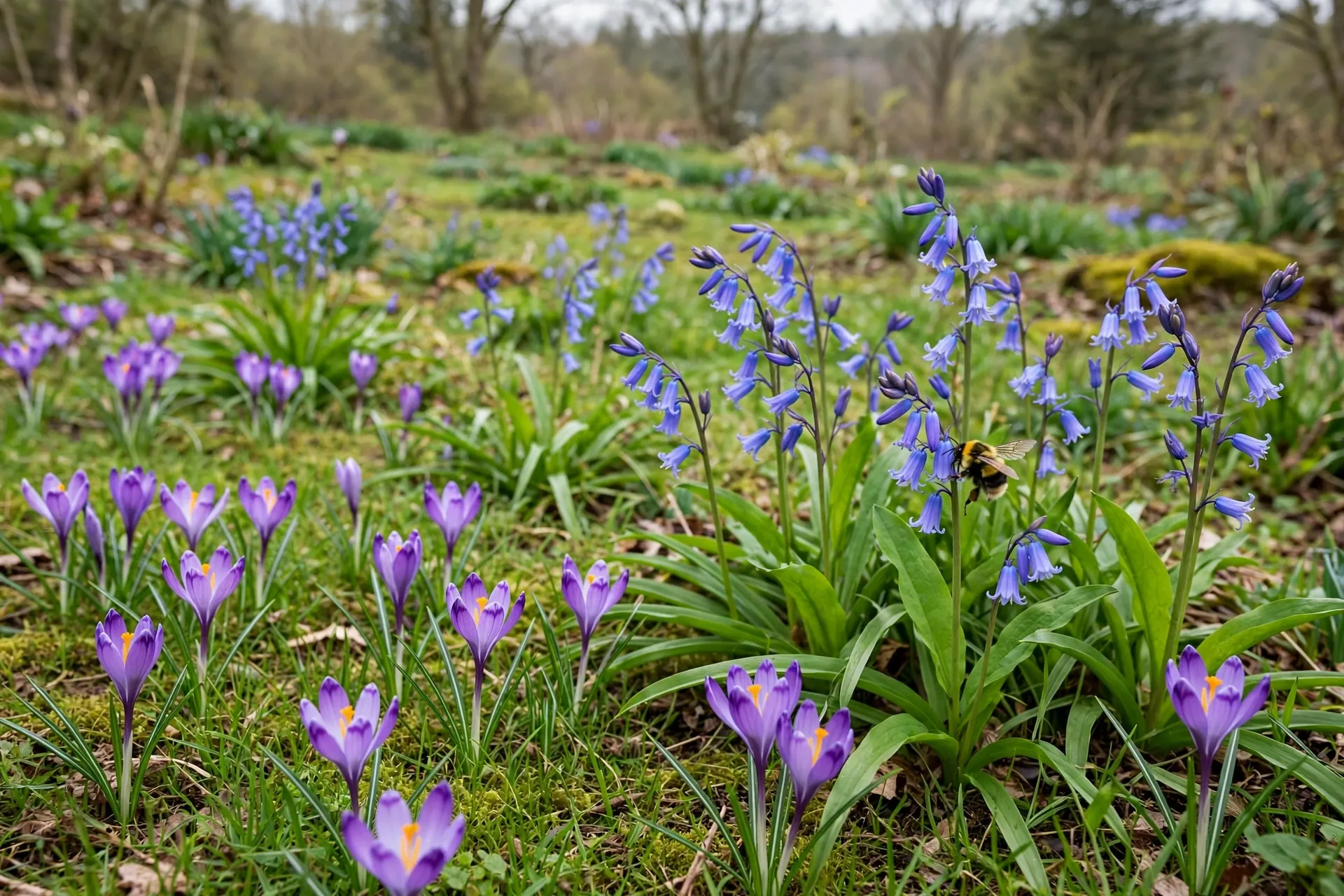
21. Start Early With Spring Bulbs
Early bees wake hungry, so plant crocus, snowdrops, and Virginia bluebells for the first nectar of the year. Scatter bulbs in fall, and they return each spring.
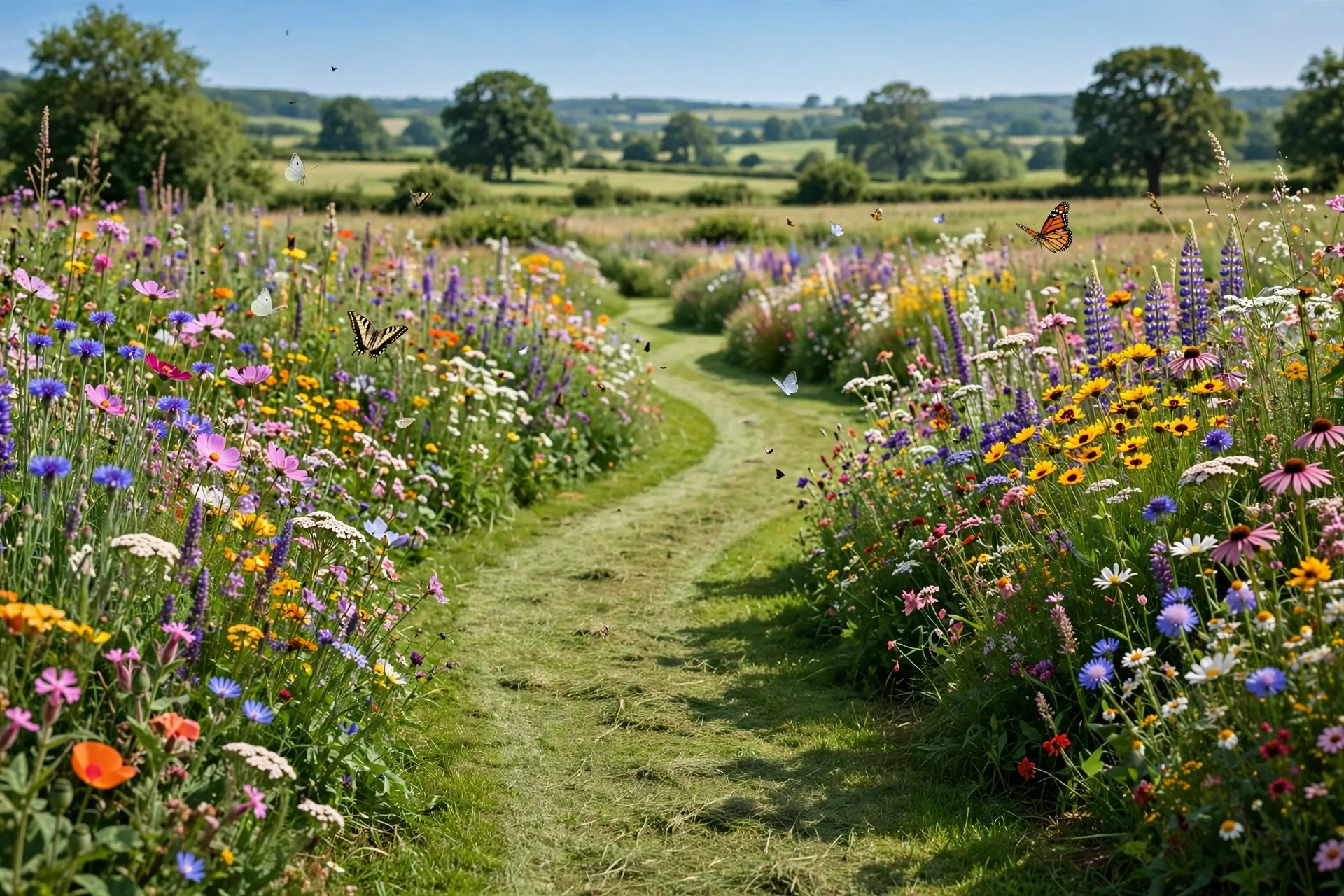
22. Mow a Grass Path Through the Wildflowers
A narrow mown grass path winding through dense wildflower borders makes a meadow feel designed instead of overgrown. Cornflowers, cosmos, and poppies spill in.
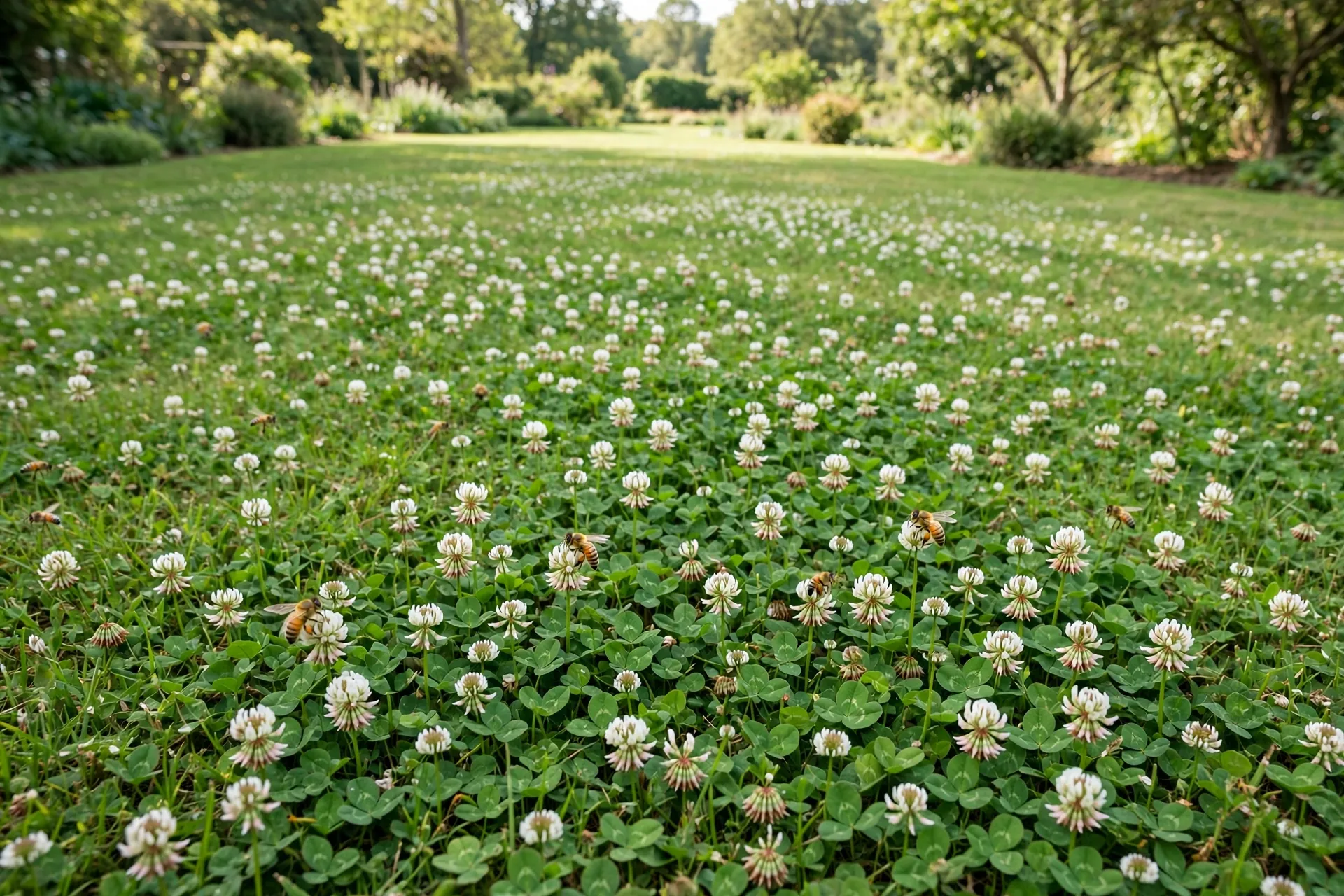
23. Let Clover Bloom in the Lawn
Let white clover flower in the lawn and bees will thank you — its tiny white blooms are rich nectar that needs no watering. Mow high and enjoy the buzz.
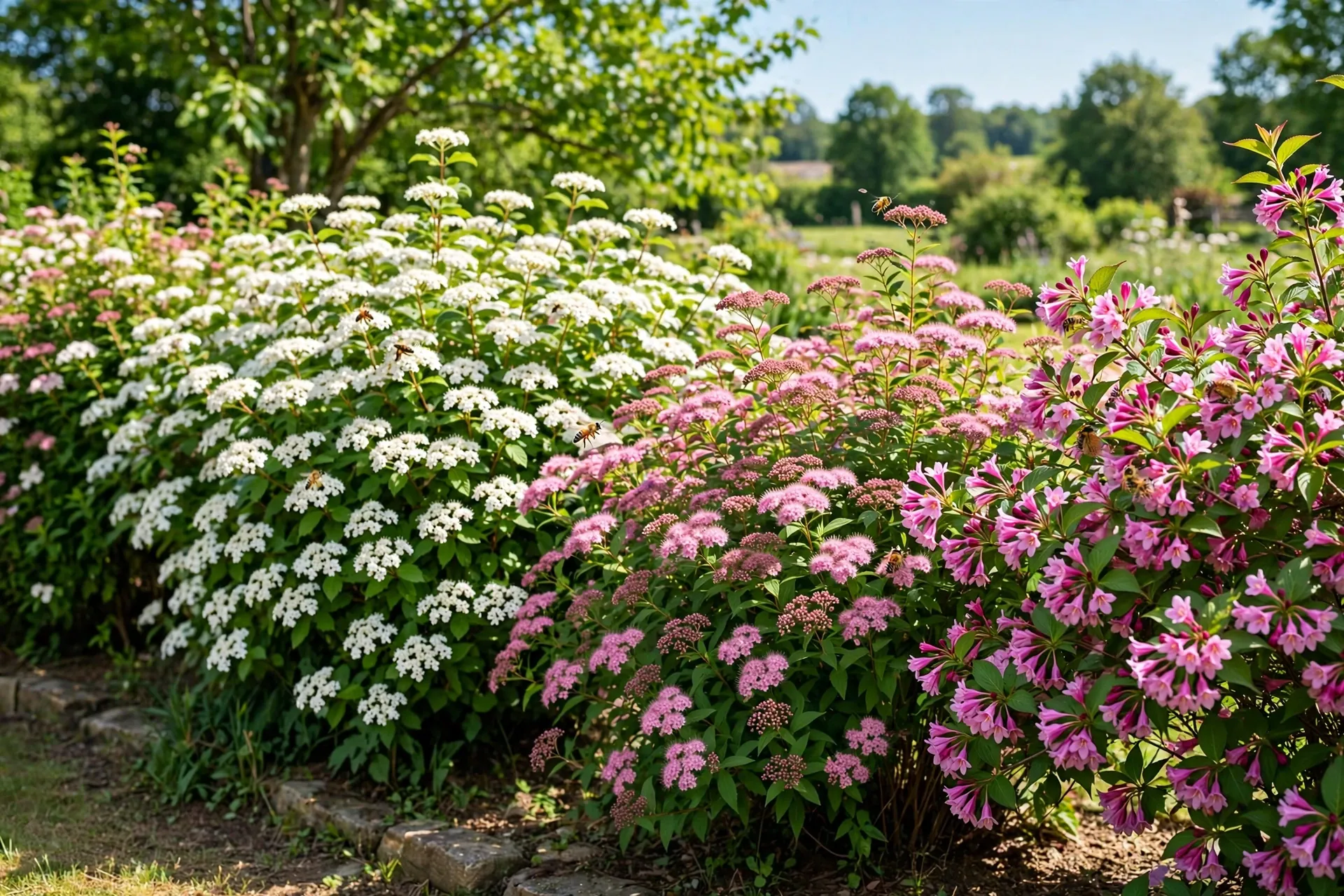
24. Grow a Flowering Shrub Hedge
A mixed hedge of viburnum, spirea, weigela, and serviceberry flowers from spring to summer and shelters pollinators from wind. It gives privacy and berries too.
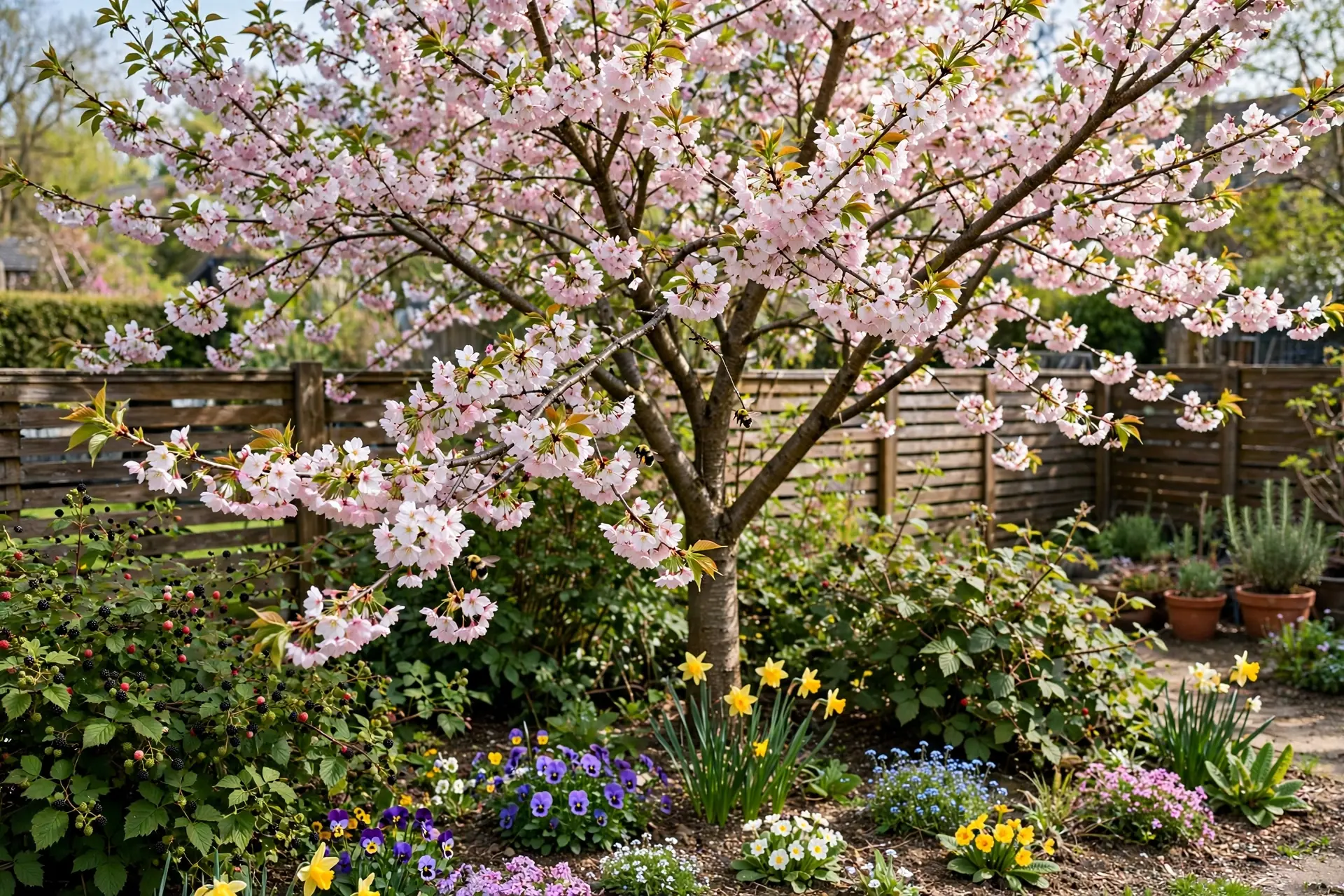
25. Add a Fruit Tree and Berry Bush Guild
Apple, cherry, and serviceberry blossoms are a feast for early bees, and elderberry and currant bushes extend the season. Plant them together in one guild.
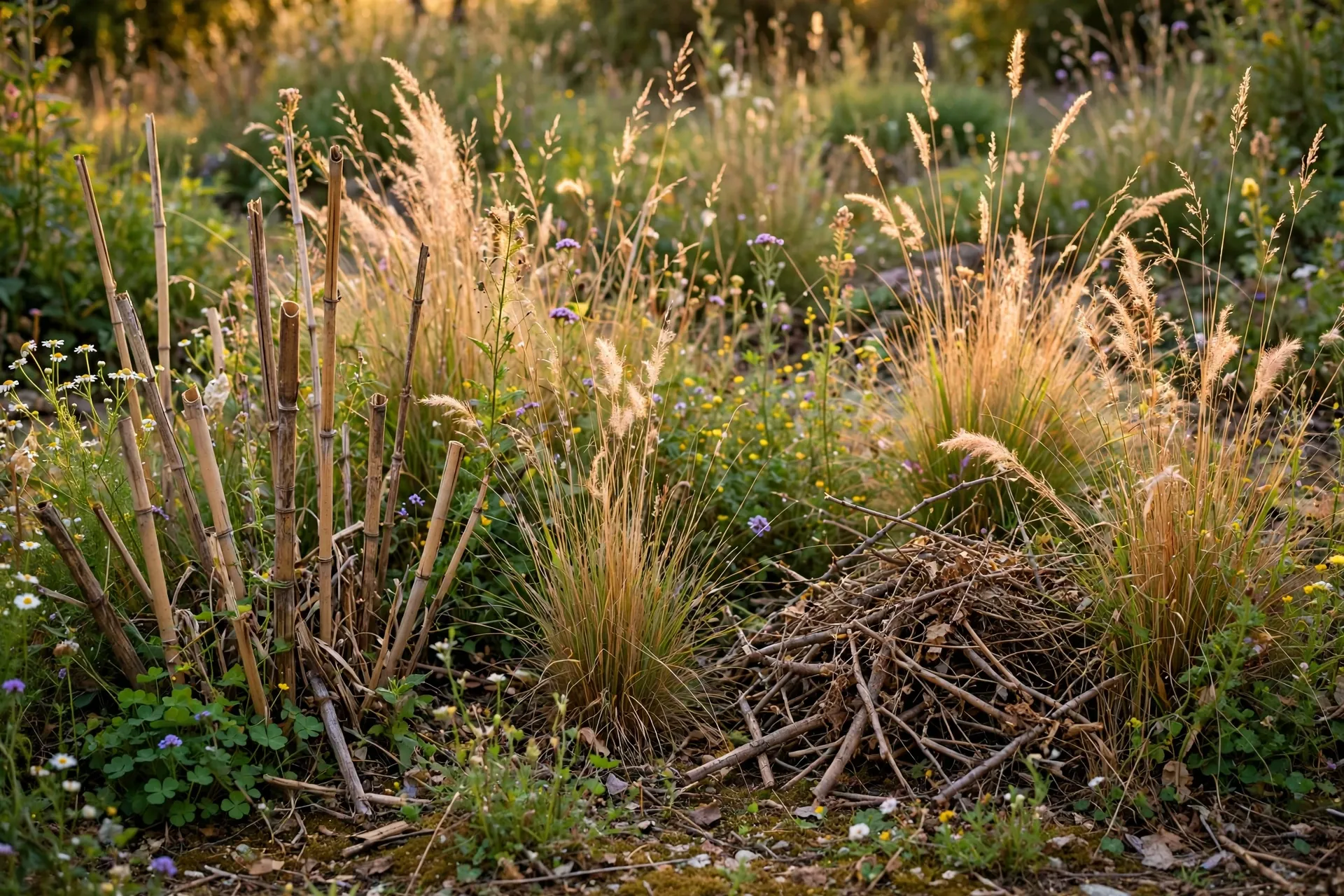
26. Leave a Wild Corner With Hollow Stems
Leave one corner a little wild: bare soil for ground-nesting bees, a brush pile for shelter, and last season’s hollow stems standing through winter.
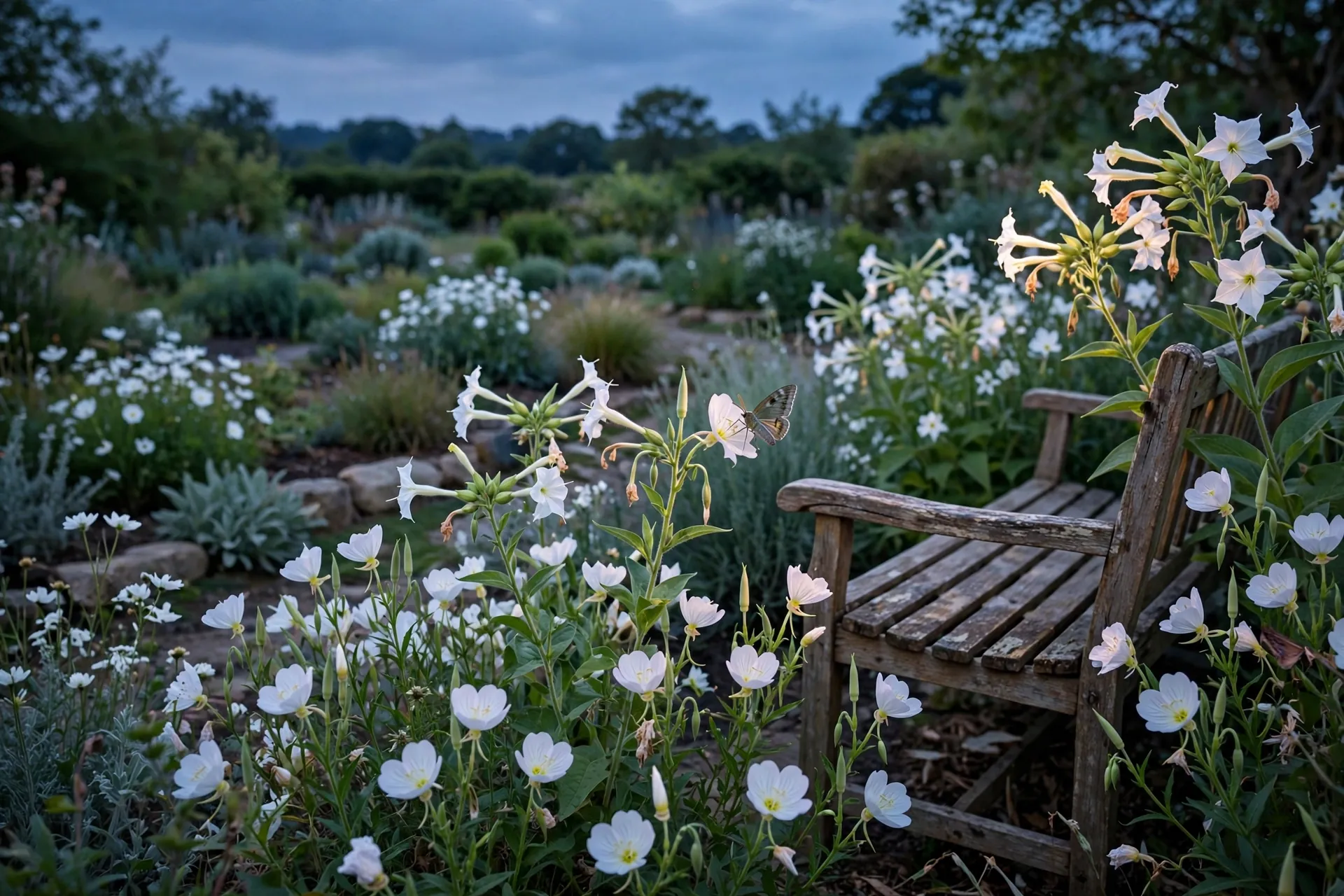
27. Plant a White Moon Garden for Night Pollinators
Moths and night pollinators visit white, fragrant flowers after dark: evening primrose, white nicotiana, moonflower, and jasmine. Plant them near seating.
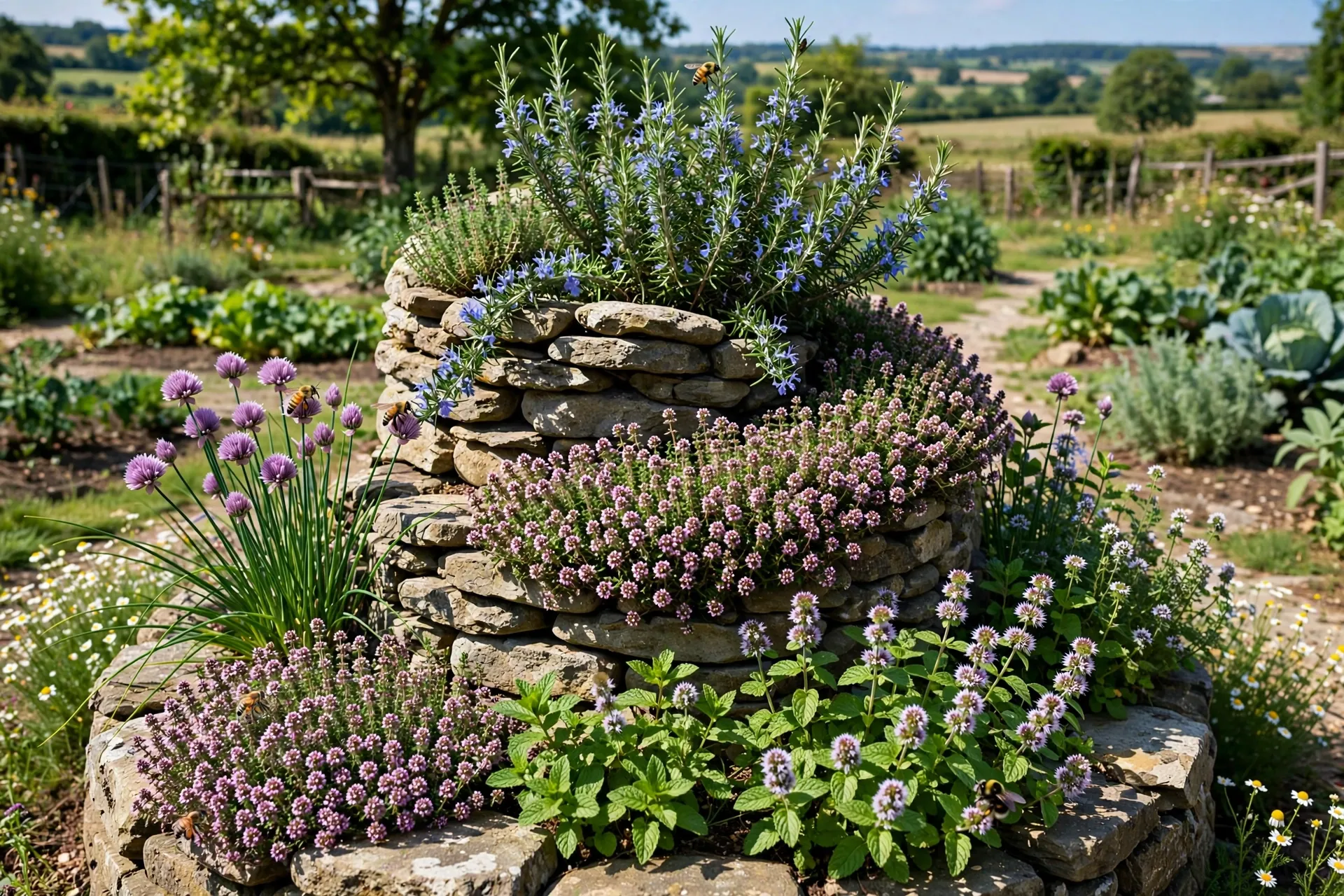
28. Build a Pollinator Herb Spiral
An herb spiral stacks sunny, dry herbs like rosemary and thyme at the top and moisture-lovers like mint and chives at the bottom. Every level blooms with nectar.
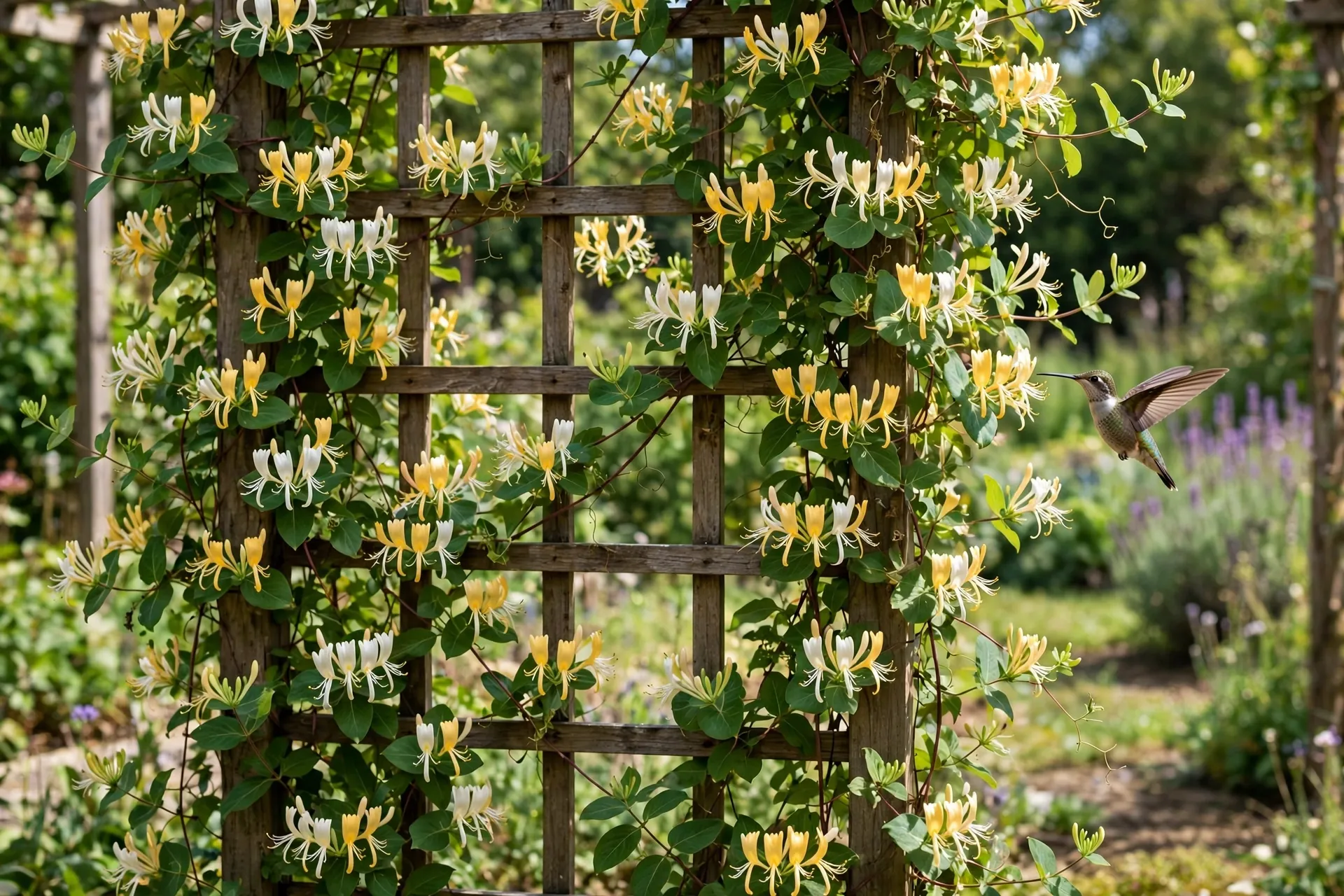
29. Train Honeysuckle Up a Trellis
Honeysuckle on a trellis adds height, fragrance, and tubular flowers that hummingbirds and long-tongued bees adore. Give it a sunny fence or arch.
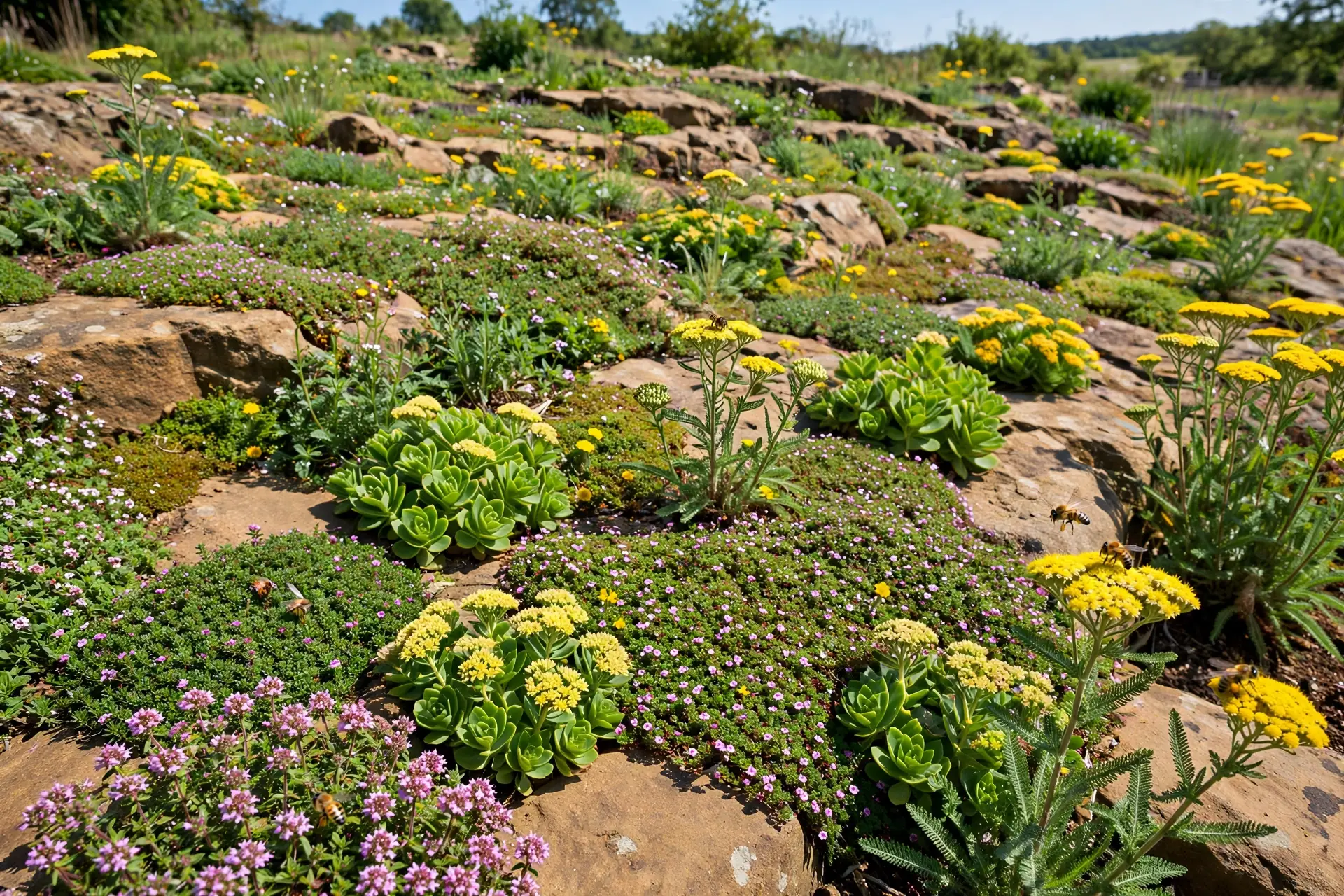
30. Make a Sunny Rock Garden Corner
A sunny rock garden of sedum, creeping thyme, yarrow, and blanket flower is a pollinator haven that thrives on neglect. The stones hold warmth, and bees love the warmth.
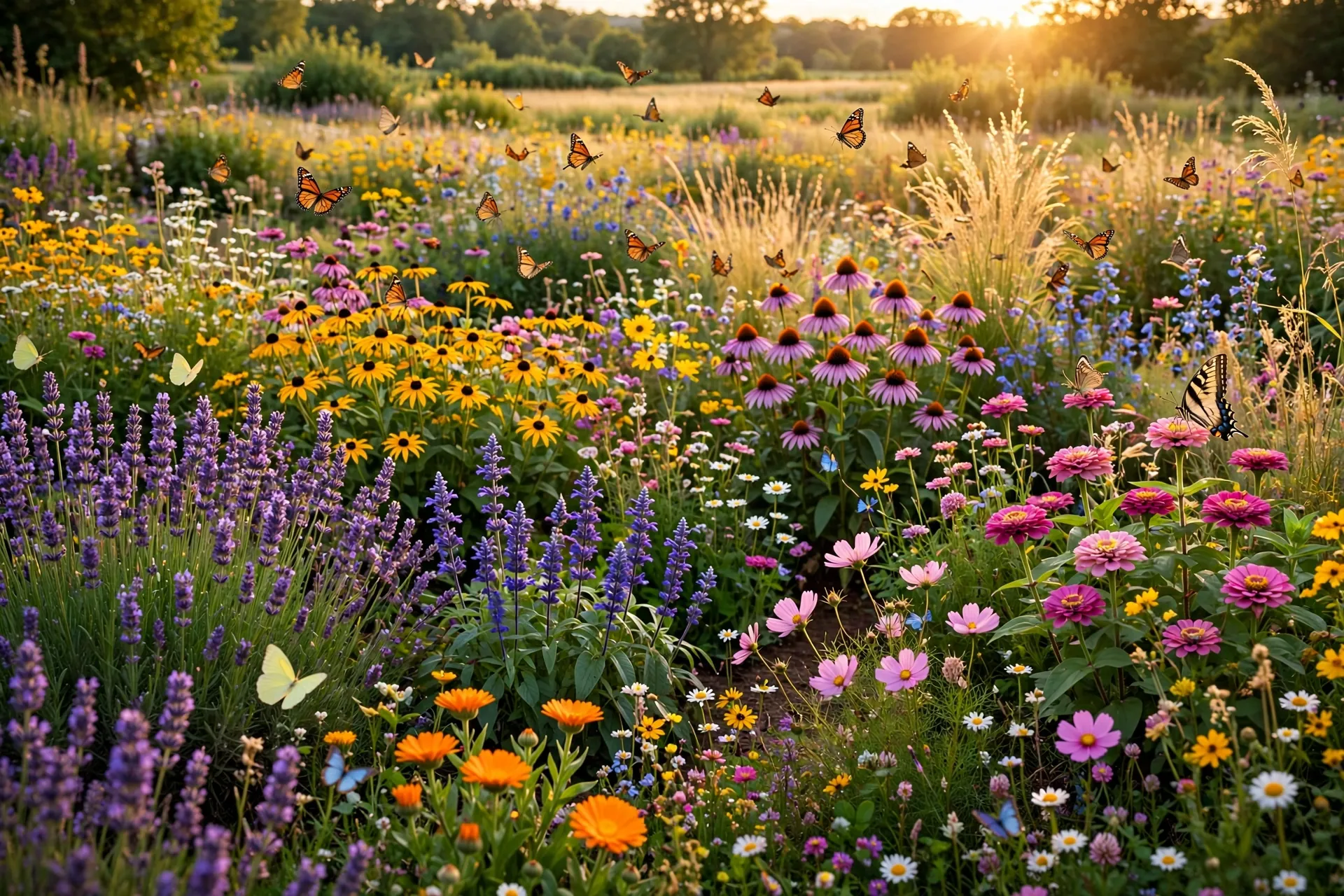
31. Plan a Bloom Calendar and Skip the Sprays
Pick at least three plants for spring, summer, and fall so something is always in flower, and skip pesticides entirely. A spray-free garden keeps pollinators coming back.
Frequently Asked Questions
What is the easiest pollinator garden to start?
Start with a sunny border of zinnias, coneflowers, and salvia, or a few pots of lavender and lantana on a balcony. These plants are forgiving, bloom for months, and attract bees within days. Add a shallow dish of water with pebbles, skip pesticides, and you already have a working pollinator garden.
Which plants attract the most bees and butterflies?
Lavender, bee balm, coneflower, milkweed, zinnia, salvia, black-eyed Susan, and aster are the most reliable pollinator magnets across the country. Milkweed is essential for monarchs, while lavender and bee balm draw the widest mix of bees, butterflies, and hummingbirds. Choose native varieties where possible, since local pollinators evolved alongside them.
How big does a pollinator garden need to be?
A pollinator garden can be as small as a window box or a few pots on a balcony — even a 4-by-12-foot border along a fence supports dozens of species. What matters is flower diversity and continuous bloom, not size. A 100-square-foot bed creates a real habitat that sustains resident pollinators all season.
Do pollinator gardens need full sun?
Most pollinator plants need at least six hours of direct sun a day, and a south-facing spot is ideal. If you only have partial shade, you can still succeed with shade-tolerant natives like columbine, wild geranium, Virginia bluebells, and woodland phlox. Avoid deep shade and windy spots, and give the sunniest corner to your nectar-rich flowers.
How do I keep a pollinator garden pesticide-free?
Skip sprays entirely and let birds, ladybugs, and other beneficial insects handle pests. Hand-pick caterpillars, use a strong jet of water for aphids, and accept a few nibbled leaves — they are proof the garden is alive. Even bee-friendly chemicals can harm pollinators, so treat only at dusk on non-flowering plants.
When should I plant a pollinator garden?
Plant perennials and shrubs in spring or early fall so roots establish before heat or frost, and sow annuals like zinnia and cosmos after the last frost. Fall is also the time to plant spring bulbs such as crocus and bluebells. Plan for continuous bloom across spring, summer, and fall so pollinators always have food.
Start small, plant native where you can, and give pollinators food, water, and shelter. Pick three or four of these 31 ideas this weekend, and by next summer your yard will be buzzing.
