
A freestanding tub turns an ordinary bathroom into a retreat. It stands on its own, so its shape becomes the room’s focal point. A bathtub has centred bathing for centuries, and these 27 freestanding tub ideas show how to make one steal the whole room.
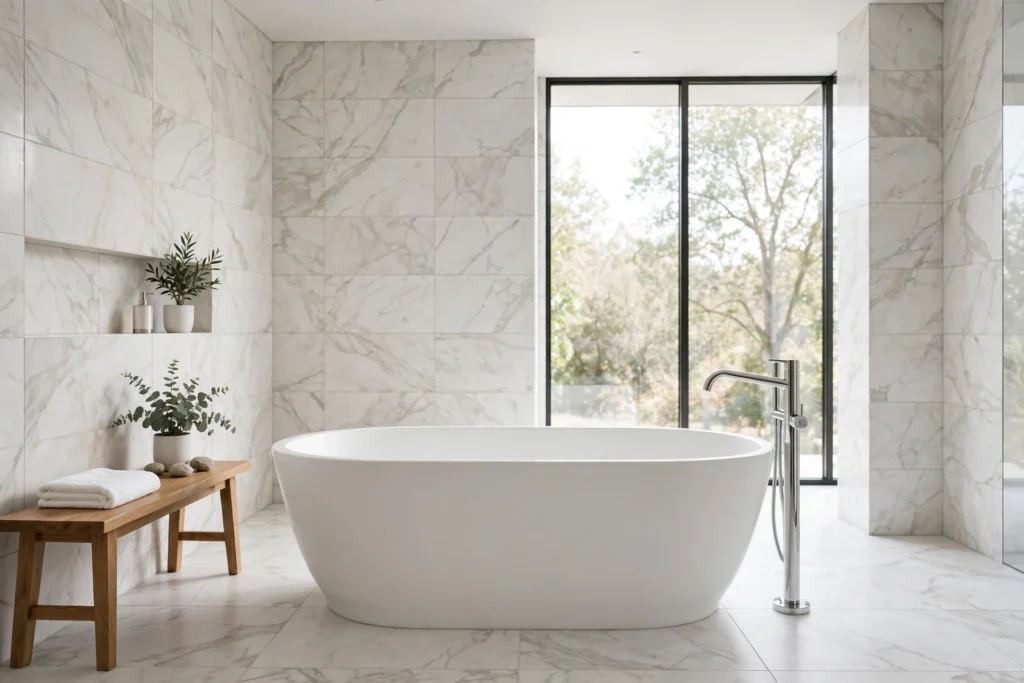
1. Classic Oval Soaker as the Centrepiece
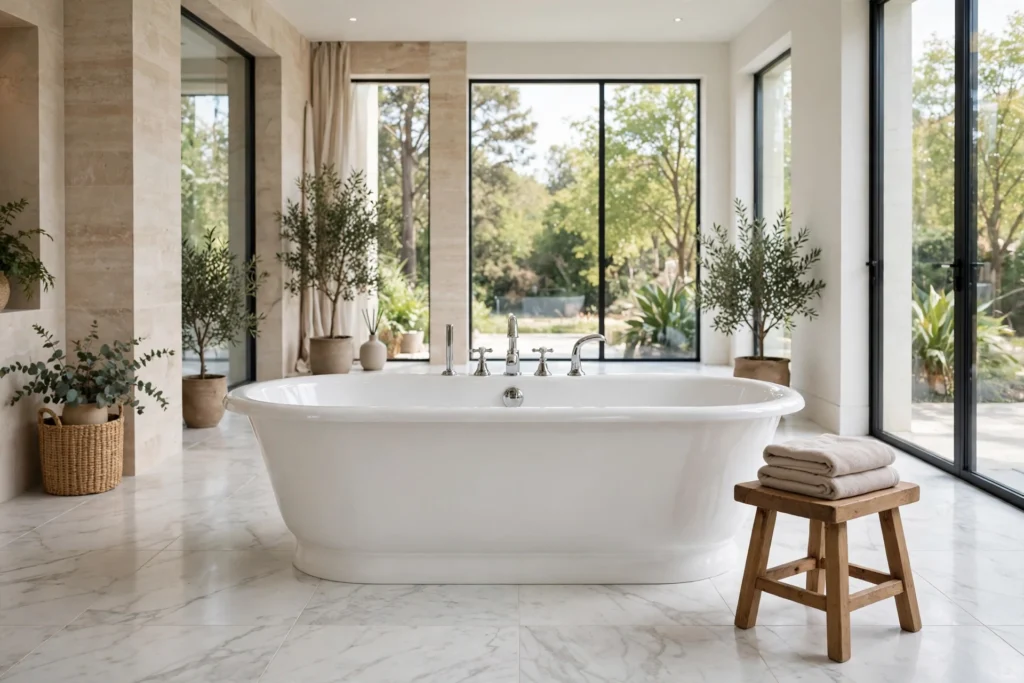
An oval soaker softens hard tile lines. Best for: large bathrooms. Styling tip: centre it on the longest sightline. Pro tip: leave 24 inches clear on one side.
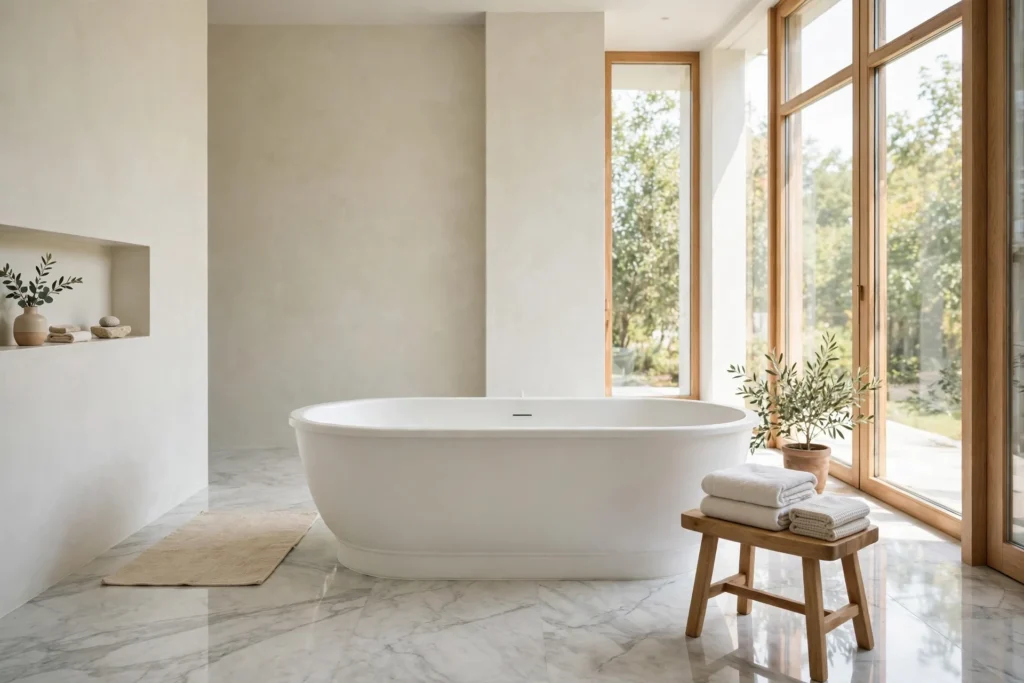
2. Vintage Clawfoot Tub With Charm
A clawfoot tub brings instant vintage charm. Best for: traditional bathrooms. Styling tip: add a handheld shower and brass taps. Pro tip: check the floor can carry heavy cast iron.
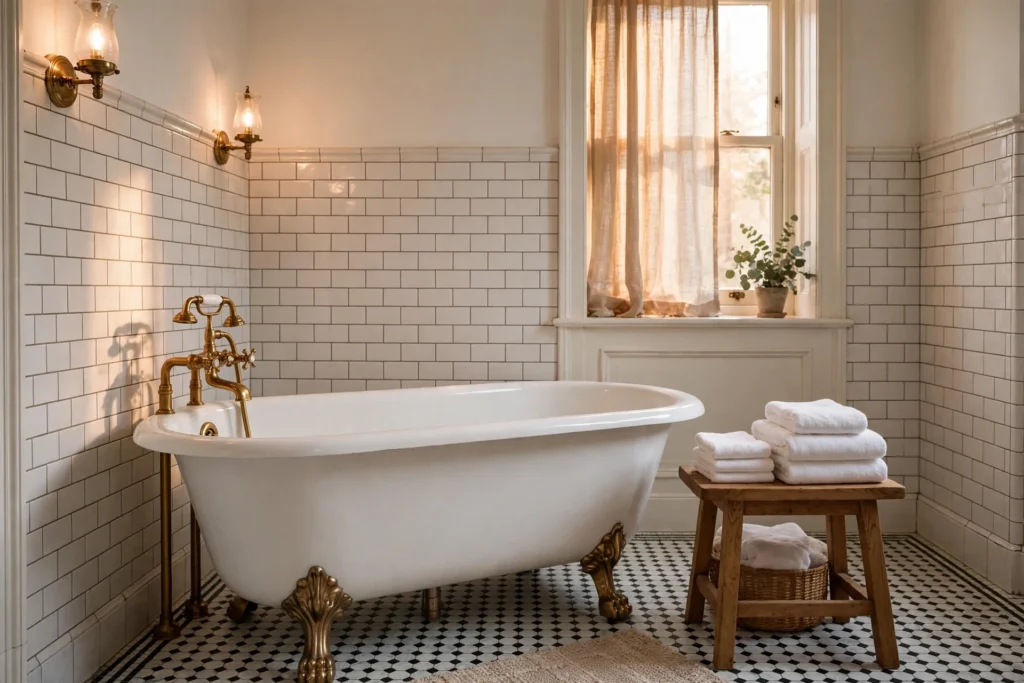
3. Slipper Tub Tucked Under a Window
A slipper tub’s raised end cradles your shoulders. Best for: long soaks. Styling tip: angle it under the window. Pro tip: use safety glazing on windows within reach.
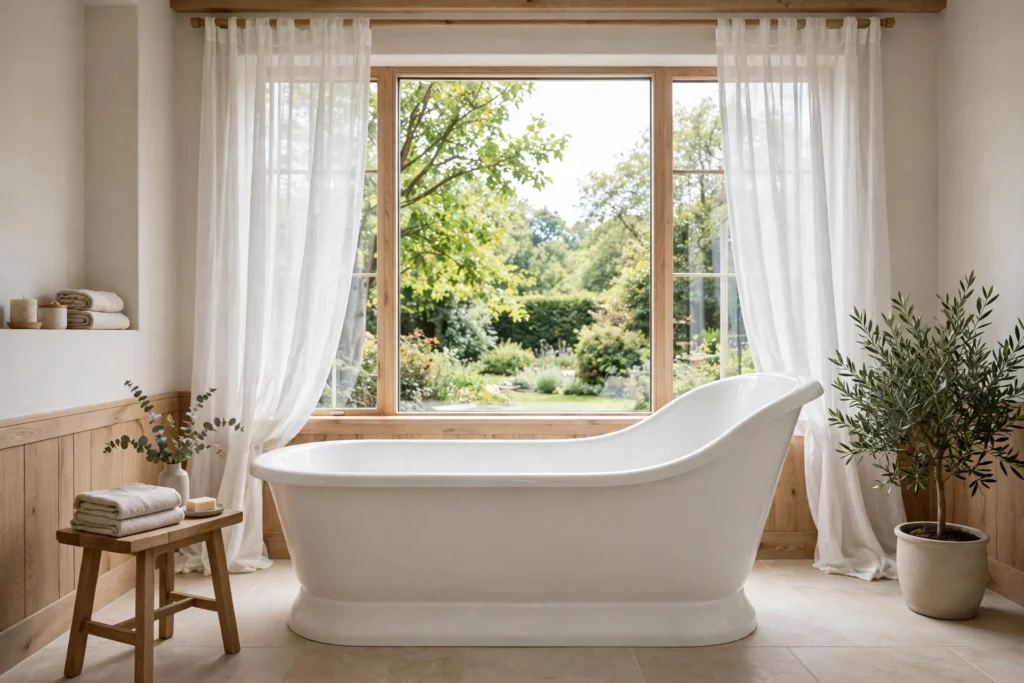
4. Double-Ended Tub for Shared Baths
A double-ended tub slopes at both ends, taps in the middle. Best for: couples sharing a soak. Styling tip: centre it for equal light. Pro tip: a central waste keeps both bathers comfortable.
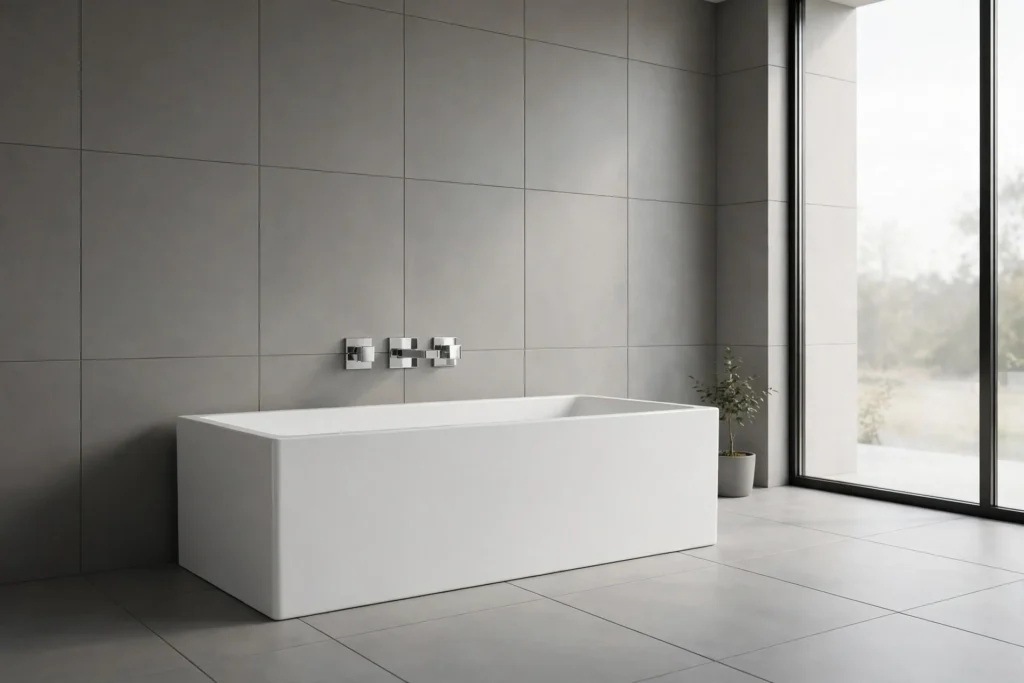
5. Rectangular Tub for Modern Lines
A rectangular tub reads as architecture, not furniture. Best for: minimalist bathrooms. Styling tip: match it with square taps. Pro tip: check the interior length; squared tubs suit tall bathers.
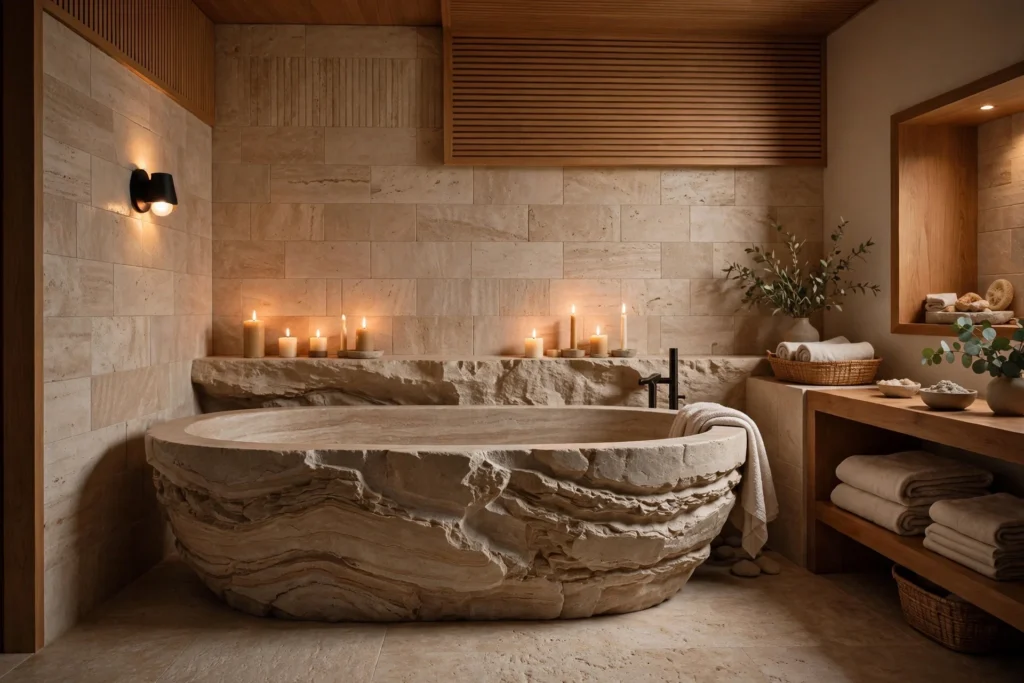
6. Stone Tub for a Natural Spa Feel
A stone tub holds heat longer and feels carved, not made. Best for: spa-style retreats. Styling tip: keep the palette earthy. Pro tip: confirm the floor can carry the weight.
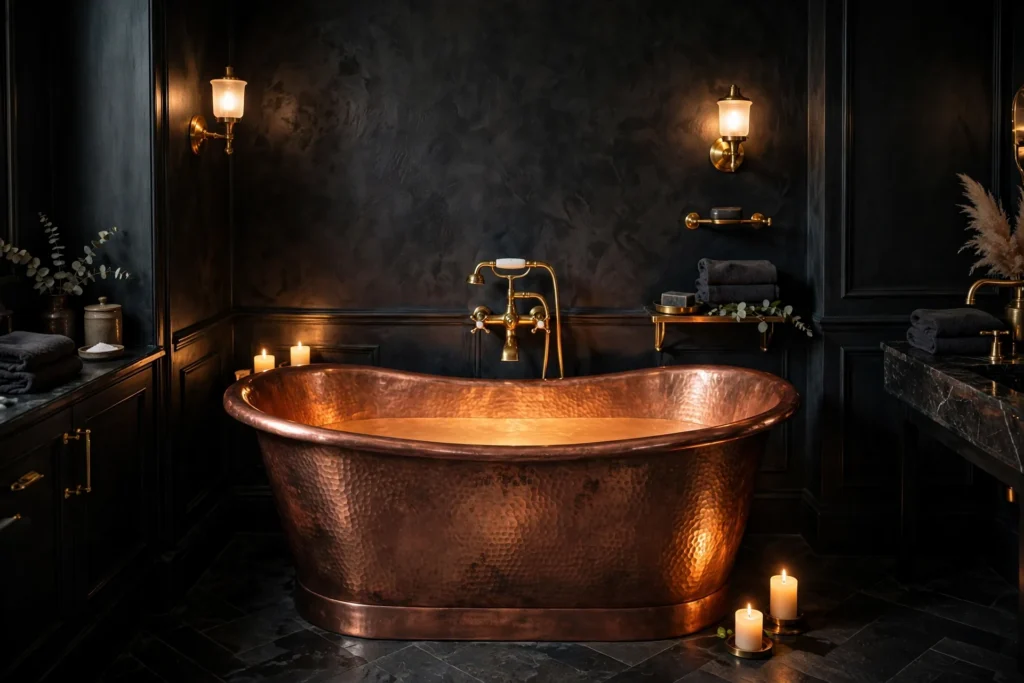
7. Copper Tub for Warm Metal Glow
Copper warms a bathroom like brass warms a living room. Best for: statement bathrooms. Styling tip: pair with dark walls so the metal glows. Pro tip: polish it regularly.
8. Matte Black Tub That Commands Attention
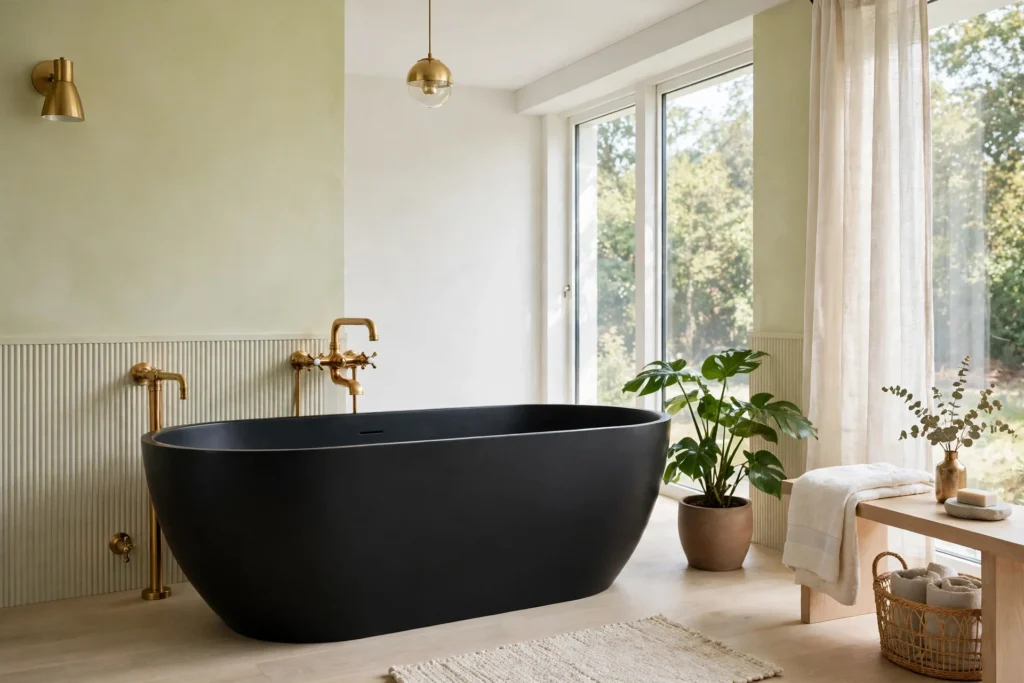
A matte black tub is pure drama. Best for: bold, modern bathrooms. Styling tip: balance it with pale floors and warm brass. Pro tip: wipe it down after each soak; black shows spots.
9. Compact Tub for a Small Bathroom
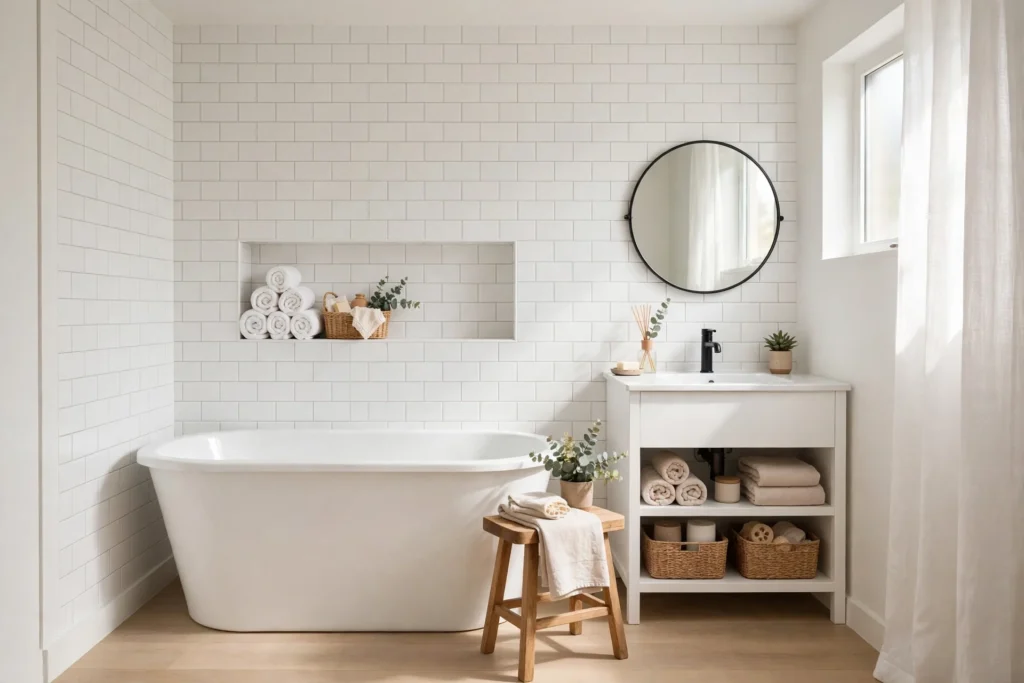
A compact 54-inch soaker brings the freestanding look to small rooms. Best for: small bathrooms. Styling tip: hug one wall. Pro tip: flat-backed tubs sit closest to the wall.
10. Wet Room Tub Beside the Shower
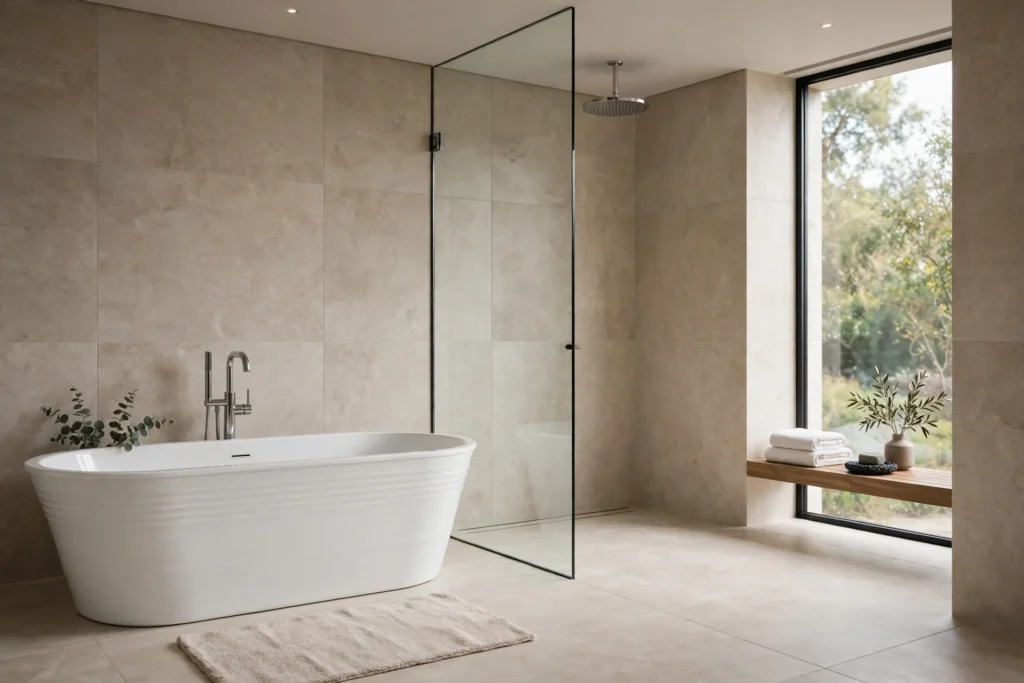
A wet room puts tub and shower in one open, waterproofed space. Best for: large bathrooms. Styling tip: use one continuous floor tile. Pro tip: slope the floor to the drain.
11. Japanese Soaking Tub for Deep Relaxation
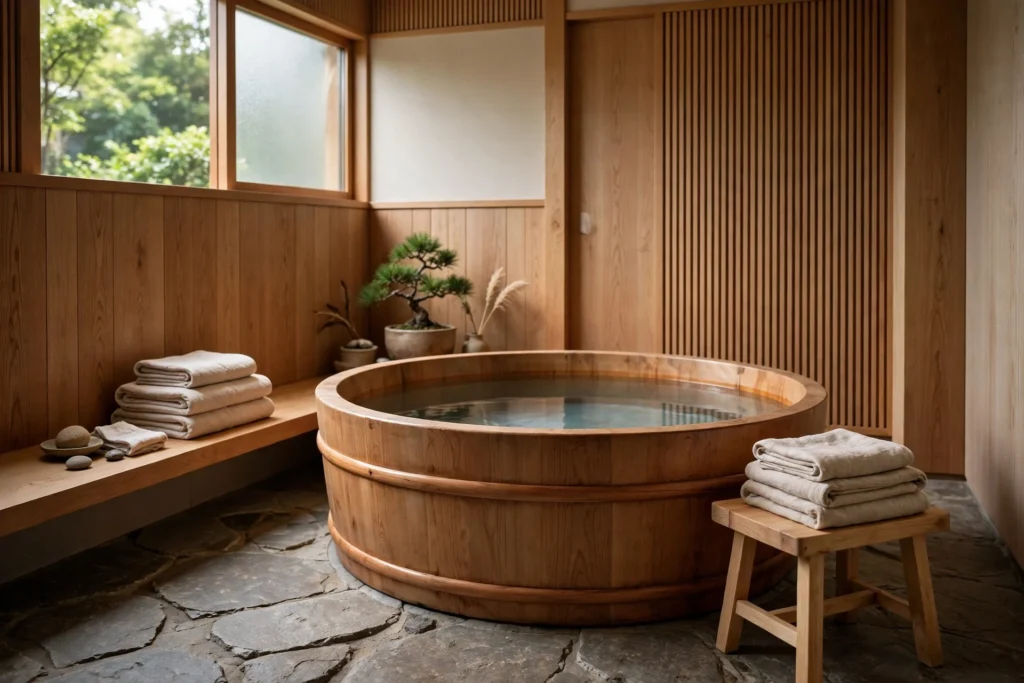
A Japanese soaking tub is deep and upright, made for sitting. Best for: small spaces. Styling tip: add a wooden stool and simple linen. Pro tip: its small footprint fits where long tubs cannot.
12. Floor-Mounted Filler as Jewellery
A floor-mounted filler stands like sculpture beside the tub. Best for: centrepiece tubs. Styling tip: match the finish to your taps. Pro tip: fix its position before tiling.
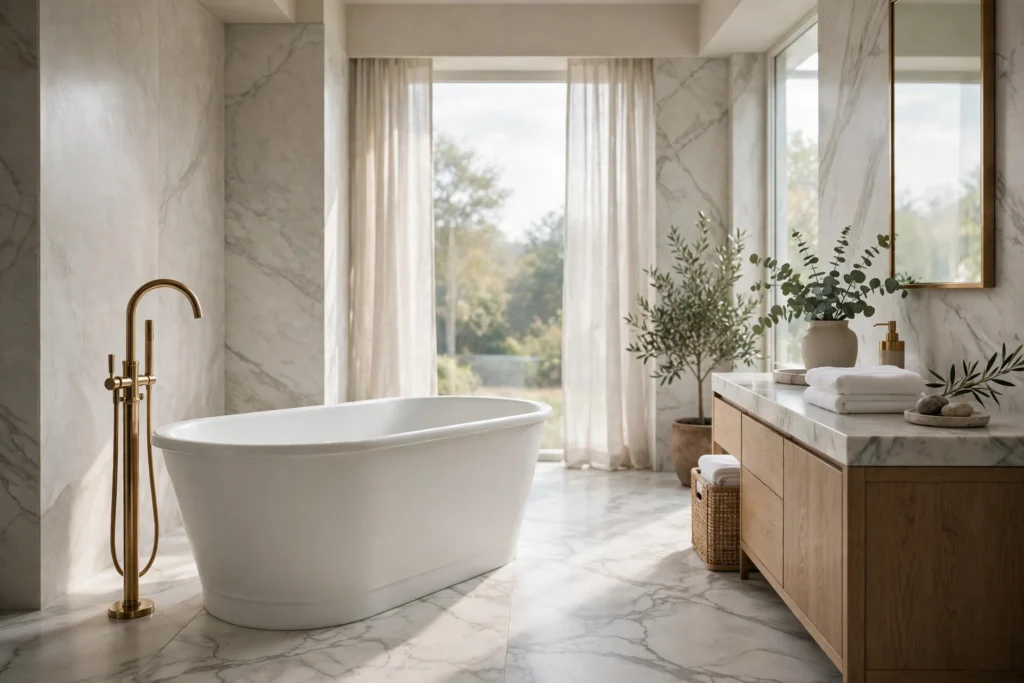
13. Tub Framing a Garden View
A tub facing the garden turns bath time into a nature break. Best for: ground-floor bathrooms. Styling tip: keep the window dressing sheer. Pro tip: plant evergreens outside for a year-round view.
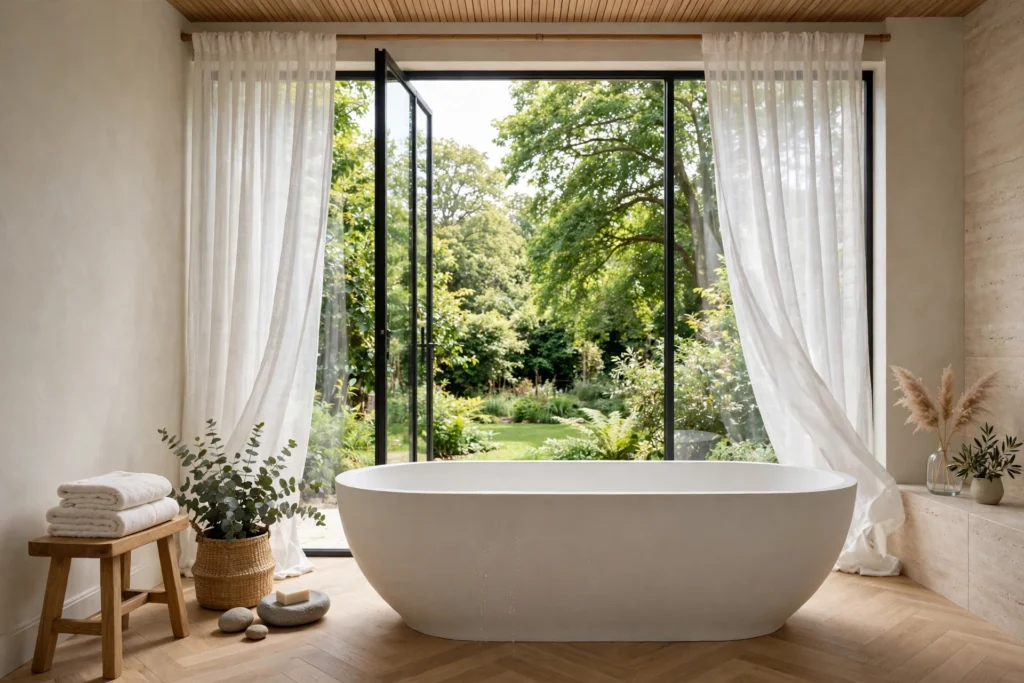
14. Chandelier Hanging Above the Tub
A chandelier above the tub adds hotel glamour. Best for: high ceilings. Styling tip: see our bathroom lighting ideas for safe heights. Pro tip: keep it clear of the water, on a dimmer.
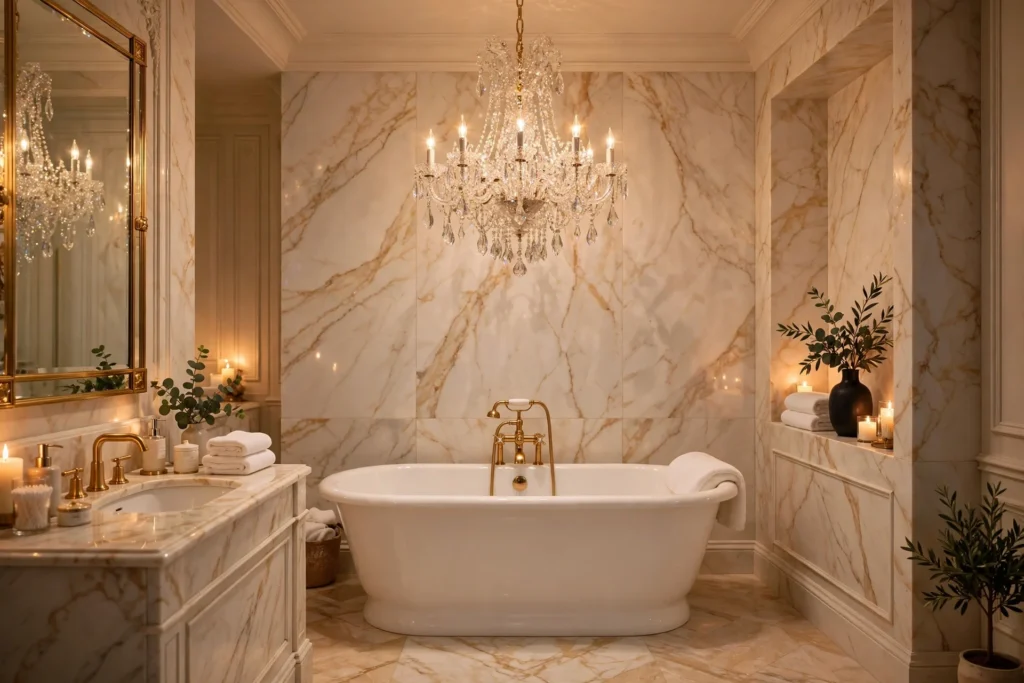
15. Tub on a Raised Platform
A low platform lifts the tub into a stage of its own. Best for: large bathrooms. Styling tip: clad it in the same tile as the floor. Pro tip: keep the step shallow and wide.
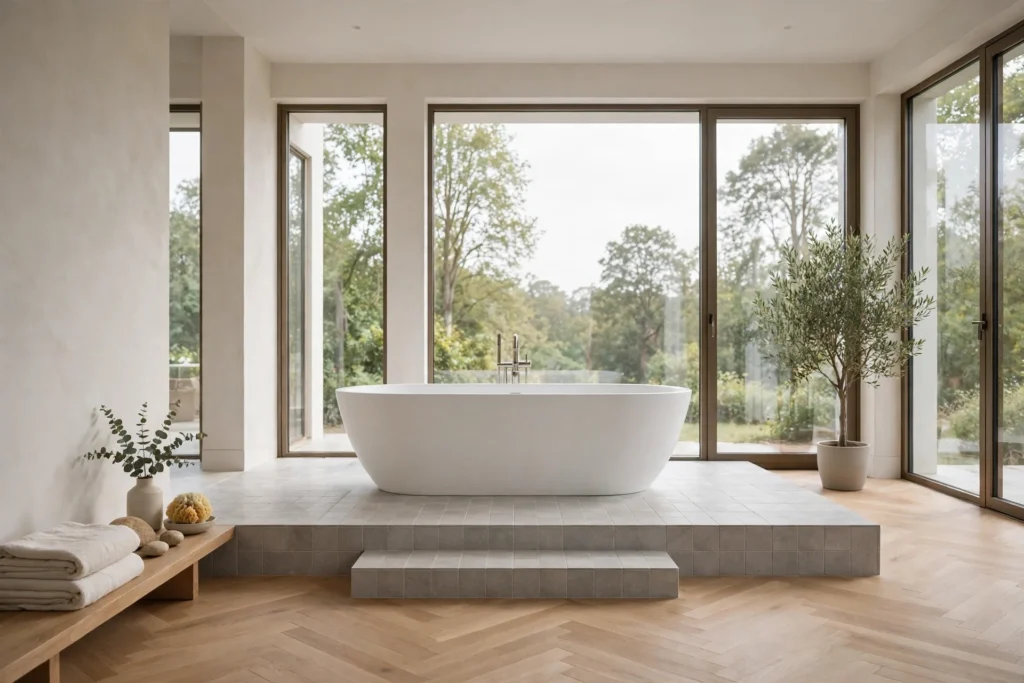
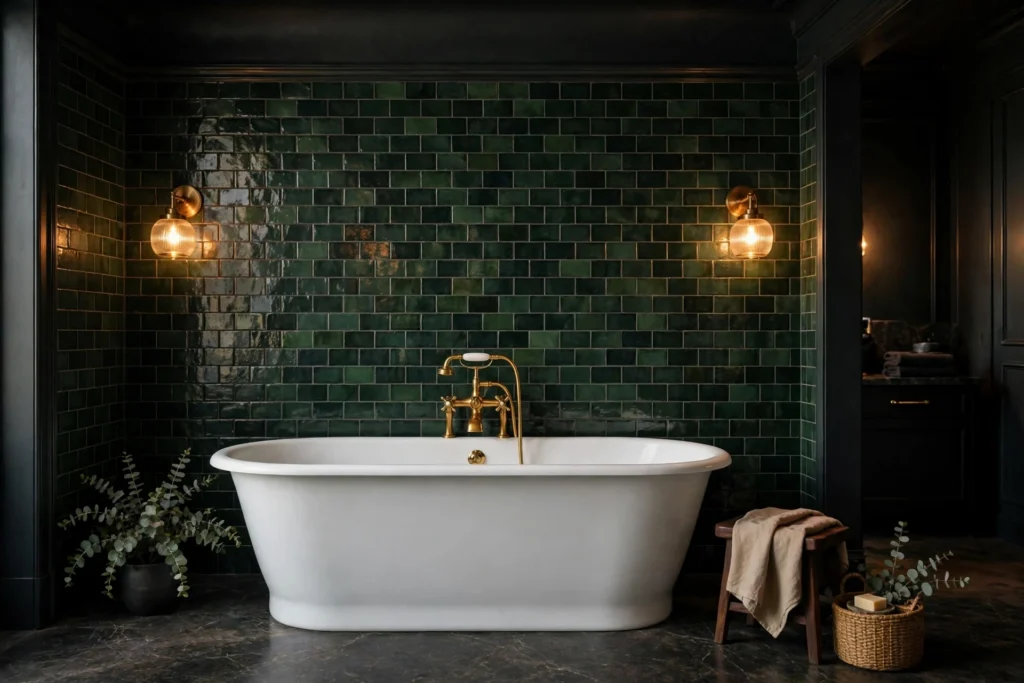
16. White Tub Against a Dark Tile Wall
A white tub pops against deep green or charcoal tile. Best for: moody bathrooms. Styling tip: carry the dark tile up one wall only. Pro tip: pale grout hides limescale.
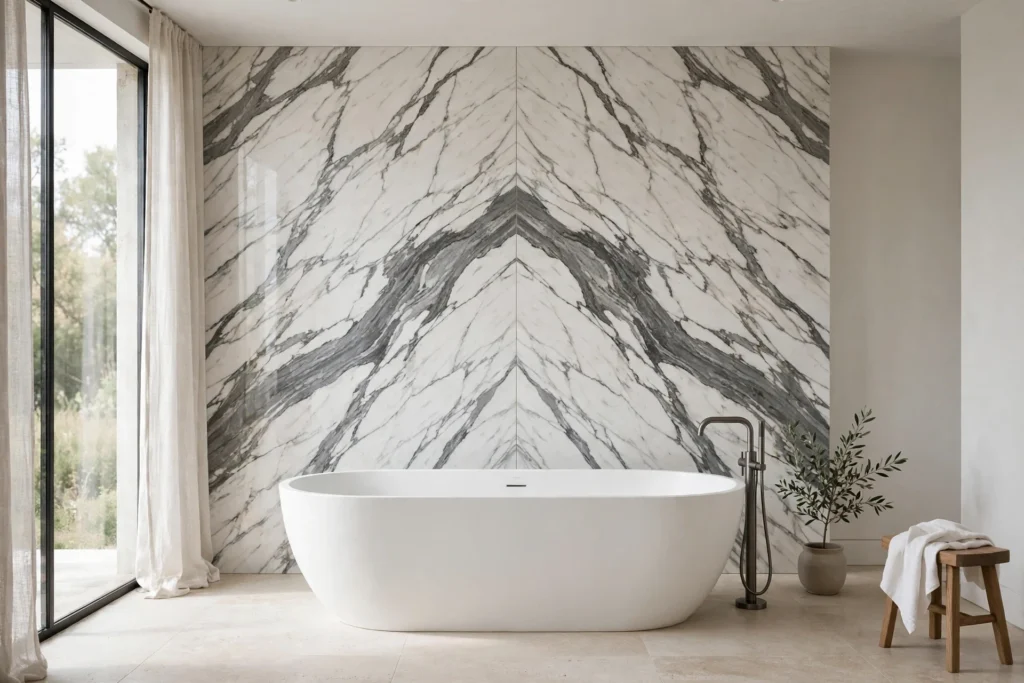
17. Book-Matched Marble Behind the Tub
Book-matched marble turns the wall behind the tub into art. Best for: luxury bathrooms. Styling tip: keep everything else plain. Pro tip: seal marble yearly; bath products stain it.
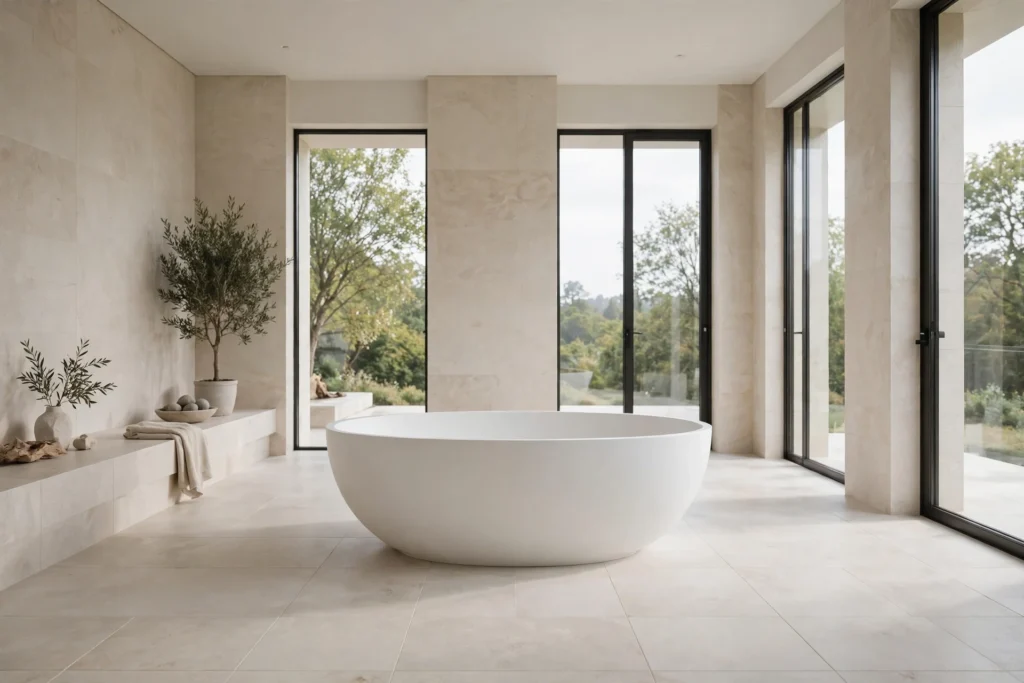
18. Round Tub as Pure Sculpture
A round tub is sculpture that holds water. Best for: very large bathrooms. Styling tip: give it clear floor on every side. Pro tip: round tubs use more water.
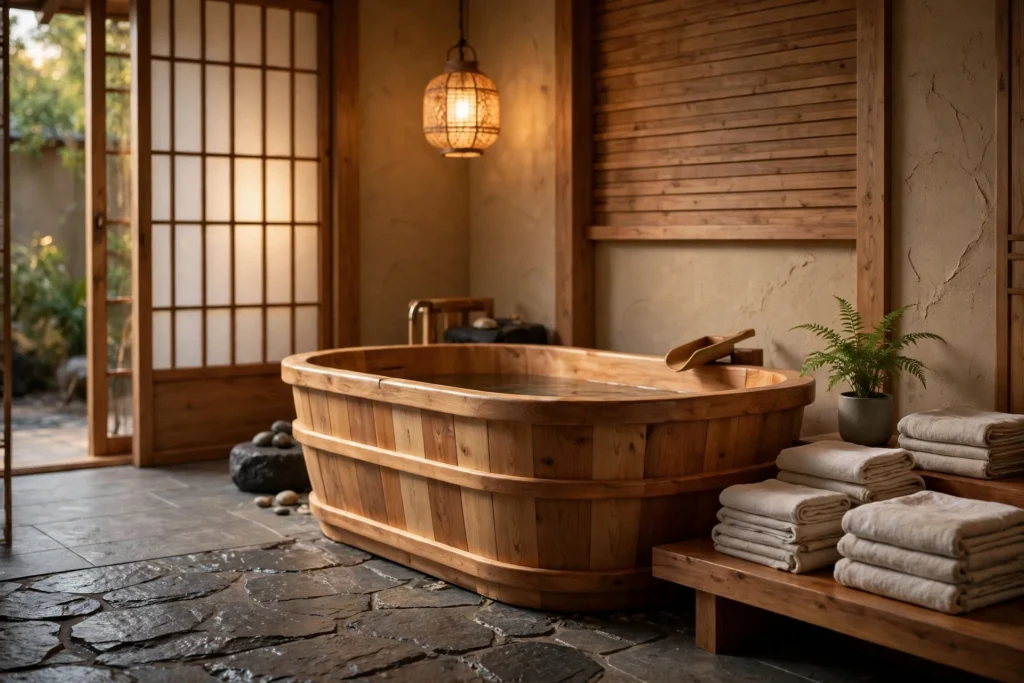
19. Wooden Tub for Organic Warmth
A wooden tub brings warmth no ceramic can match. Best for: spa bathrooms. Styling tip: pair with stone floors. Pro tip: oil the wood regularly.
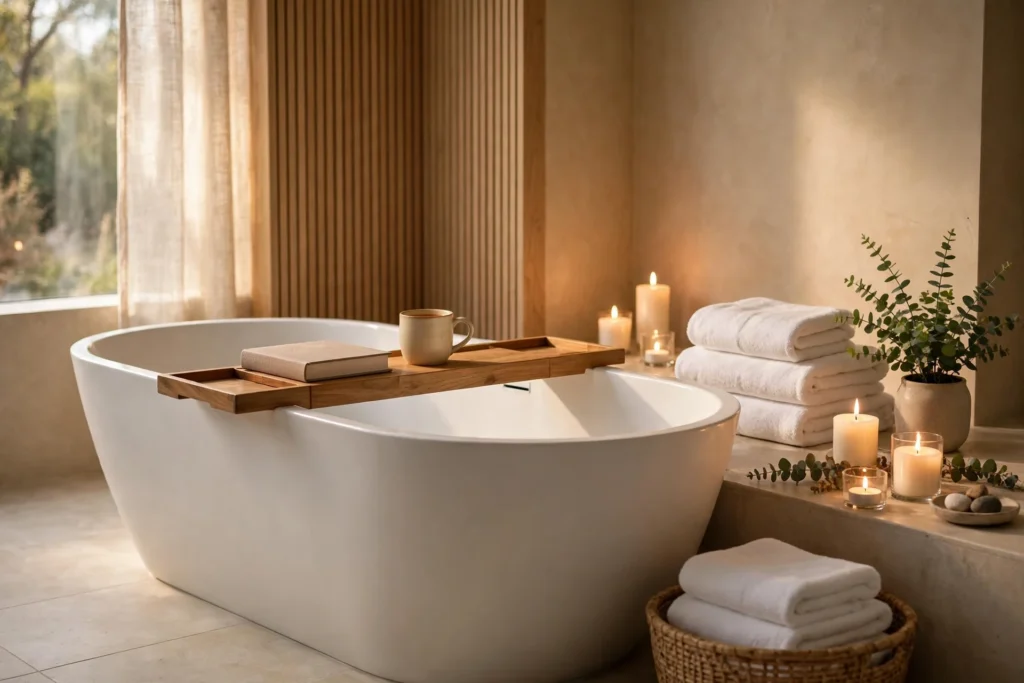
20. Bath Tray, Candles and Spa Styling
A bath tray, candles and folded towels turn any tub into a spa. Best for: renters. Styling tip: one wooden tray, one candle, one plant. Pro tip: use battery candles near water.
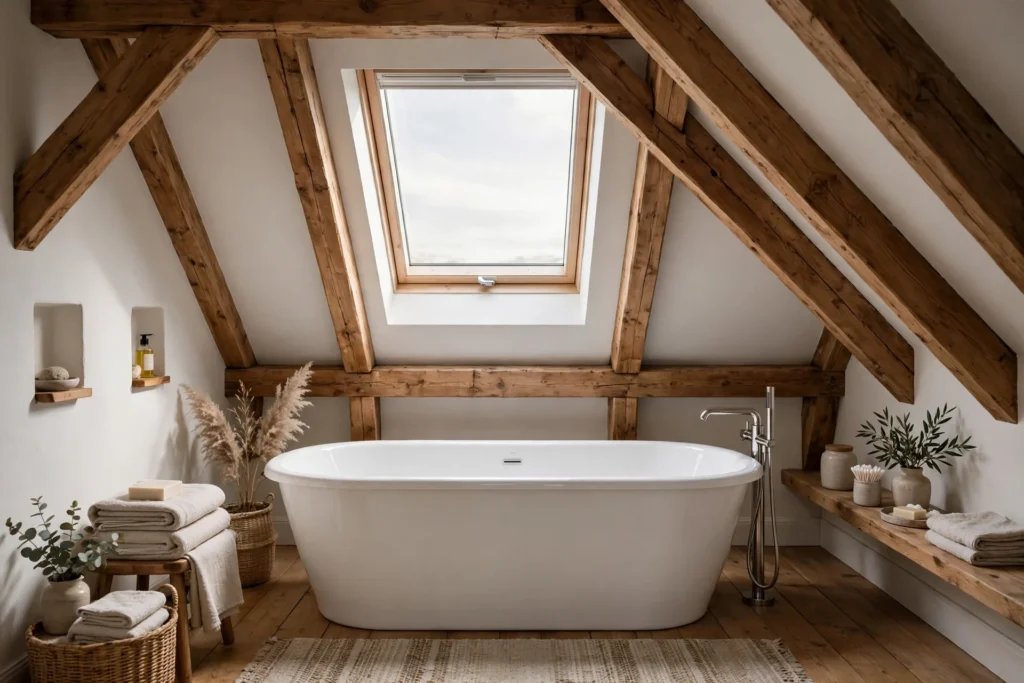
21. Tub Under a Sloped Attic Ceiling
An attic tub tucks neatly under the slope, using wasted space. Best for: loft conversions. Styling tip: add a skylight above. Pro tip: measure headroom at the tub’s edge first.
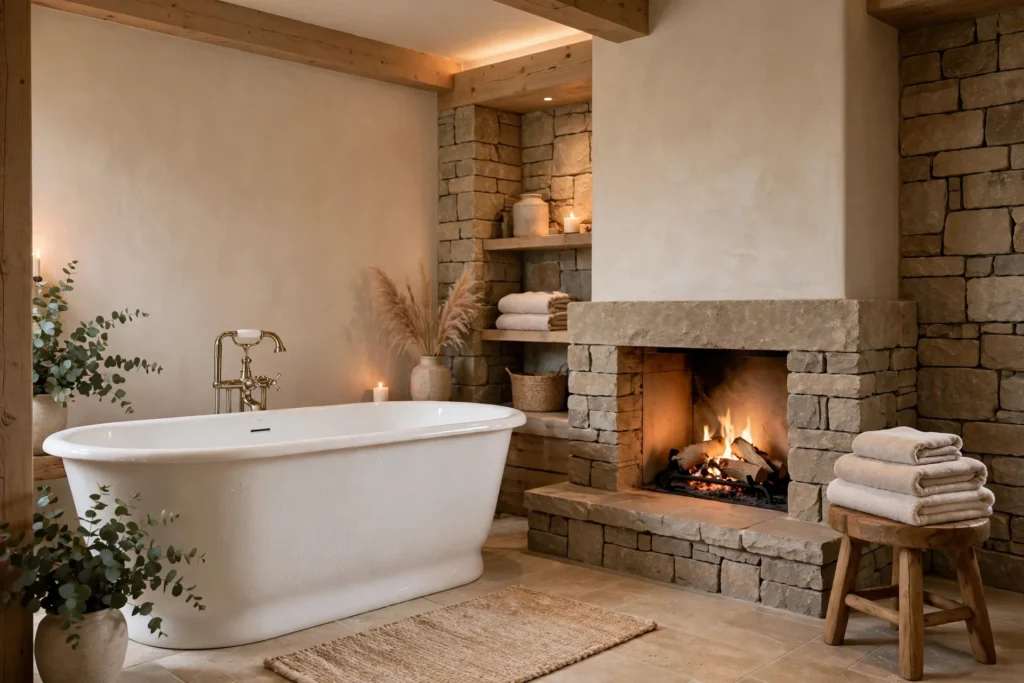
22. Tub Beside a Cosy Fireplace
A small fireplace beside the tub is the ultimate winter luxury. Best for: large primary suites. Styling tip: keep the hearth simple stone. Pro tip: use a sealed gas or electric fire, never open flame.
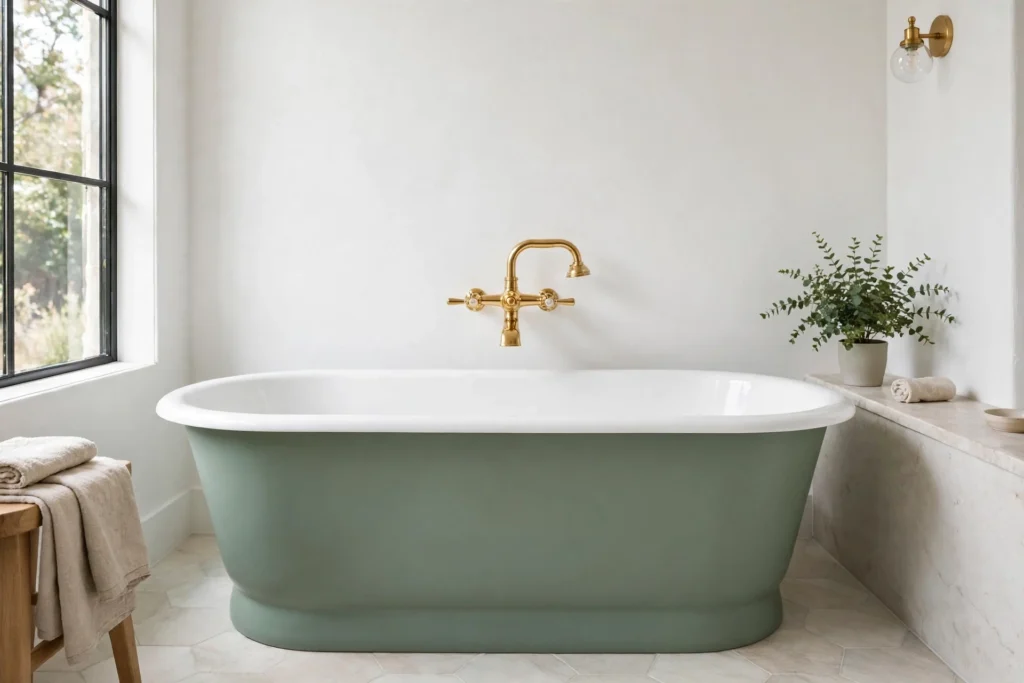
23. Painted Tub in a Bold Colour
Paint the tub’s outside sage green, navy or blush for instant character. Best for: colour without retiling. Styling tip: match the tub colour to the vanity. Pro tip: use moisture-proof paint.
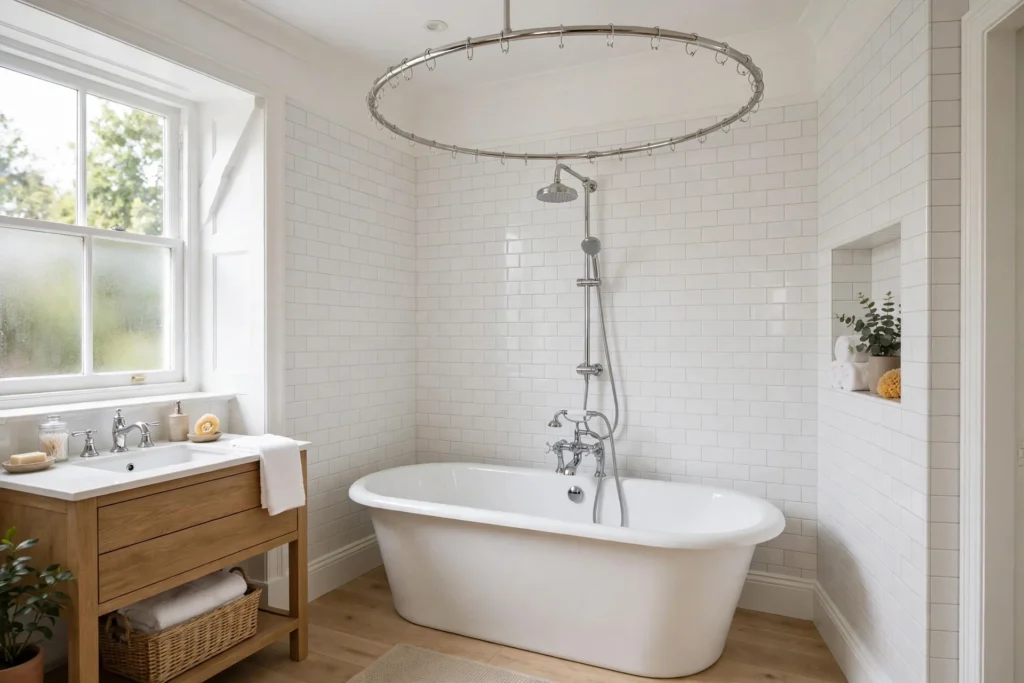
24. Tub and Shower in One Smart Combo
A freestanding tub with a shower riser gives you both in one spot. Best for: family bathrooms. Styling tip: add a ceiling-mounted curtain ring. Pro tip: choose a flat rim so the curtain hangs straight.
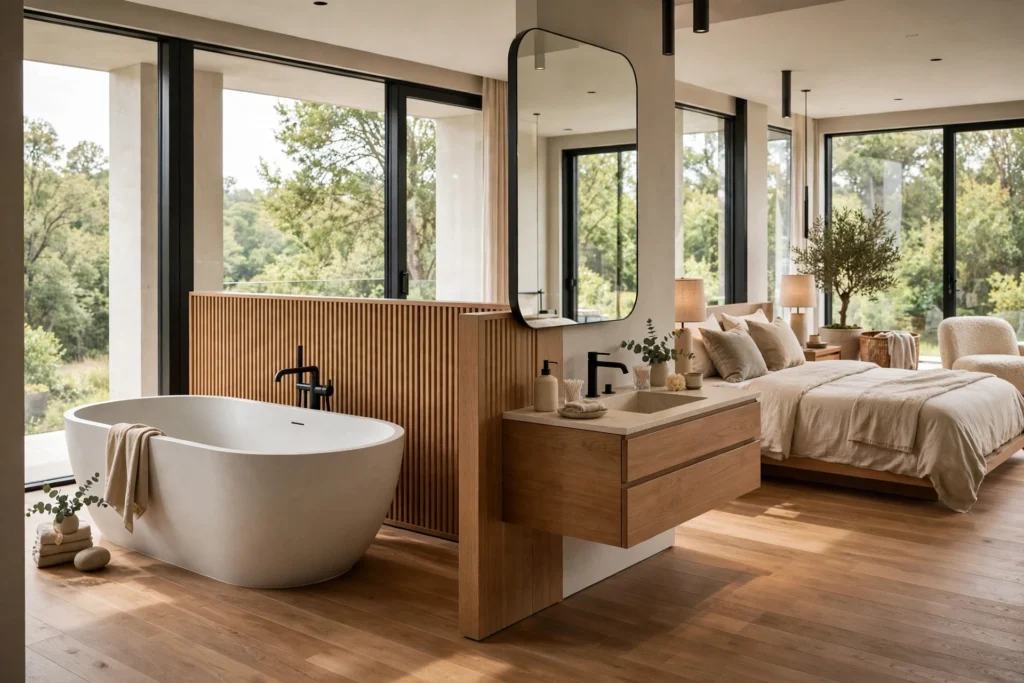
25. Open-Plan Tub in the Primary Suite
Place the tub in the bedroom zone for a true hotel-suite feel. Best for: large primary suites. Styling tip: pair it with a floating vanity; see our bathroom vanity ideas. Pro tip: add a half-wall for privacy.
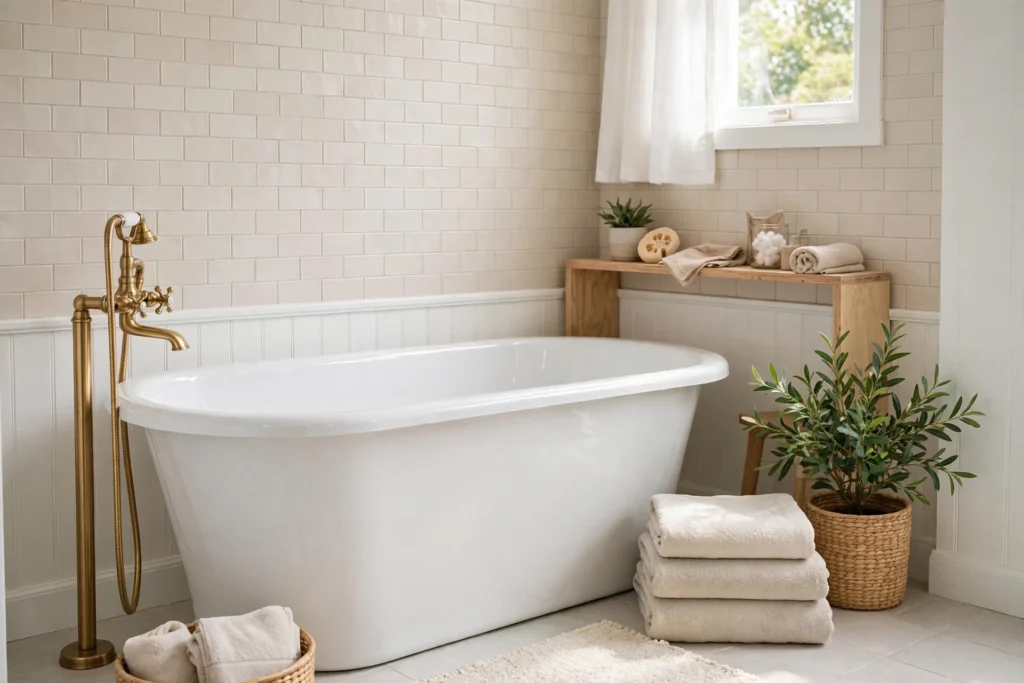
26. Budget Acrylic Tub, Smart Placement
Acrylic is the most affordable freestanding material, warm to the touch. Best for: budget remodels. Styling tip: spend the savings on a great filler. Pro tip: acrylic scratches buff out.
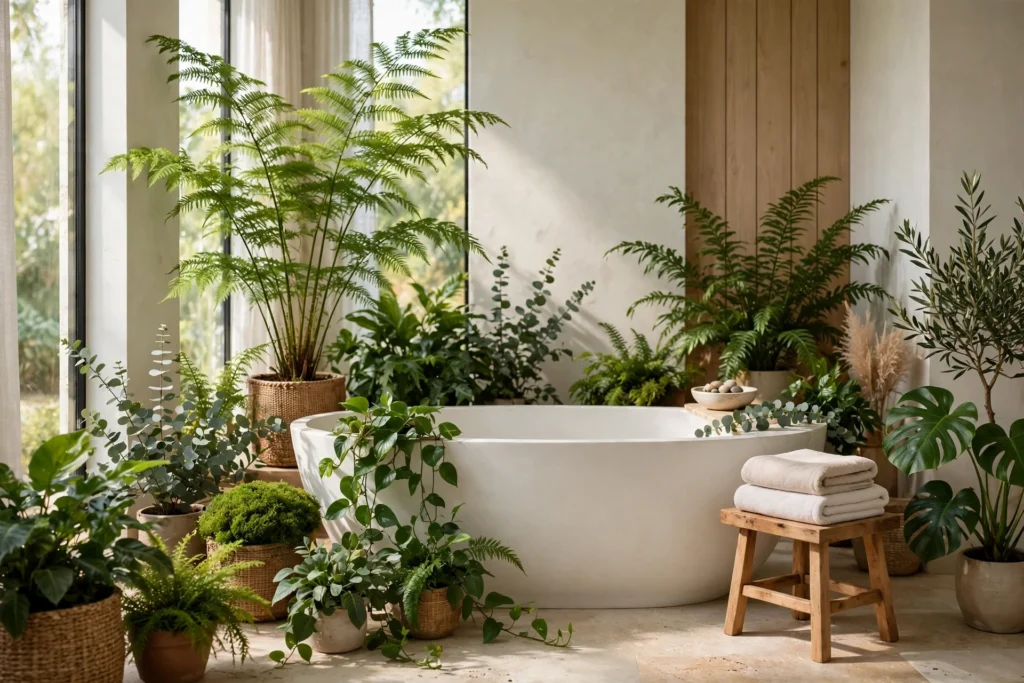
27. Greenery and Plants Around the Tub
Plants soften tile and steam, turning the tub corner into a retreat. Best for: bright bathrooms. Styling tip: one tall plant plus a small stool. Pro tip: choose humidity-loving ferns and pothos.
Pick the tub shape that fits your room first, then let the material do the rest.
Are freestanding tubs worth it?
Yes, if you love long soaks and the tub is the room’s focal point. A freestanding tub adds a spa-like feel and can lift resale appeal in a primary bathroom. The trade-offs are real: higher cost, floor space needed, and exposed plumbing. If you rarely bathe, a quality shower may serve you better.
How much space do you need around a freestanding tub?
Most freestanding tubs run 60 to 72 inches long and about 30 inches wide. Leave at least 6 inches of clearance on the sides and 12 inches combined front to back, plus 24 inches of clear floor on one long side for stepping out and cleaning. Measure the room first, and check the door width — the tub must fit through it.
Do freestanding tubs work in a small bathroom?
Yes, with the right shape. Compact soakers from 54 to 59 inches, flat-backed tubs that hug the wall, and deep Japanese soaking tubs all fit small rooms while keeping the freestanding look. Avoid round or double-ended tubs in tight spaces — they need clear floor on every side. Keep the palette pale and the floor visible.
Which freestanding tub material is best?
Acrylic is the best all-rounder: light, warm to the touch, affordable and easy to repair. Cast iron holds heat longest but is very heavy and needs a strong floor. Stone resin also keeps water warm and feels premium, while copper makes a statement but needs regular care. Choose for how you bathe and what your floor can carry.
Are freestanding tubs hard to clean?
They are slightly harder than built-in tubs because you must clean behind and underneath them, where dust and splashes collect. The fix is simple: leave enough clearance to reach around the base, and choose a smooth surface like acrylic. A quick wipe after each soak stops limescale and soap scum building up outside.
Do freestanding tubs keep water warm?
It depends on the material. Cast iron and stone resin hold heat far longer than thin acrylic, so water stays warm through a long soak. Acrylic cools faster but warms quickly to the touch. Whatever the material, a deeper tub keeps more of your body underwater, which matters more than the shell — and a warm towel helps too.
