
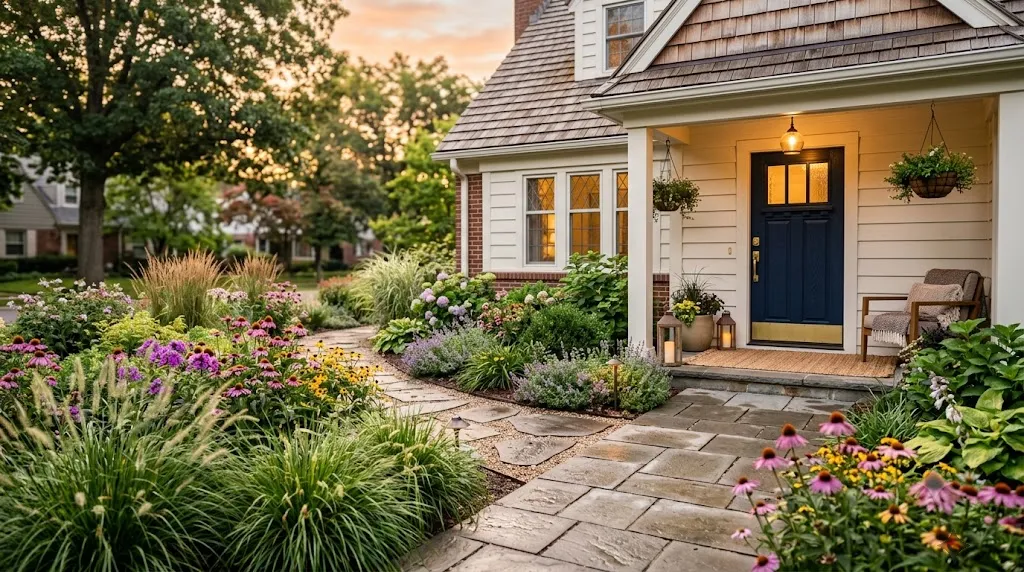
I have walked up to a lot of front doors in my career, and I can tell you within about four seconds whether a homeowner cares about their yard or just mows it and moves on. Curb appeal is not about spending a fortune. It is about a handful of smart choices that make a house feel cared for the moment someone pulls into the driveway. I have seen a fifteen-dollar mailbox swap do more for a home’s first impression than a five thousand dollar landscaping overhaul, and I have also seen homeowners blow their whole budget on the wrong thing. So let us walk through what actually works, what is worth skipping, and where your money and your weekends are best spent.
My Design Notes
I once had a client in Austin who sent me a Pinterest board full of lush Pacific Northwest greenery, thick boxwood hedges, hydrangeas, the whole cottage garden look. I had to have the gentle but honest conversation that most of it would be dead by July. Texas heat does not care how good something looks online. We ended up compromising on structured yaupon holly and dwarf palmetto instead, which gave her that same layered green feeling without fighting the climate every single season. She almost went with a bright white landscape gravel too, because it photographed beautifully, and I talked her out of that as well. In Austin’s caliche dust, white gravel turns a dingy gray brown in about six weeks flat. My rule with every client since has been the same. Design for the yard you actually have, not the one in the photo.
Start With the Front Door Sightline
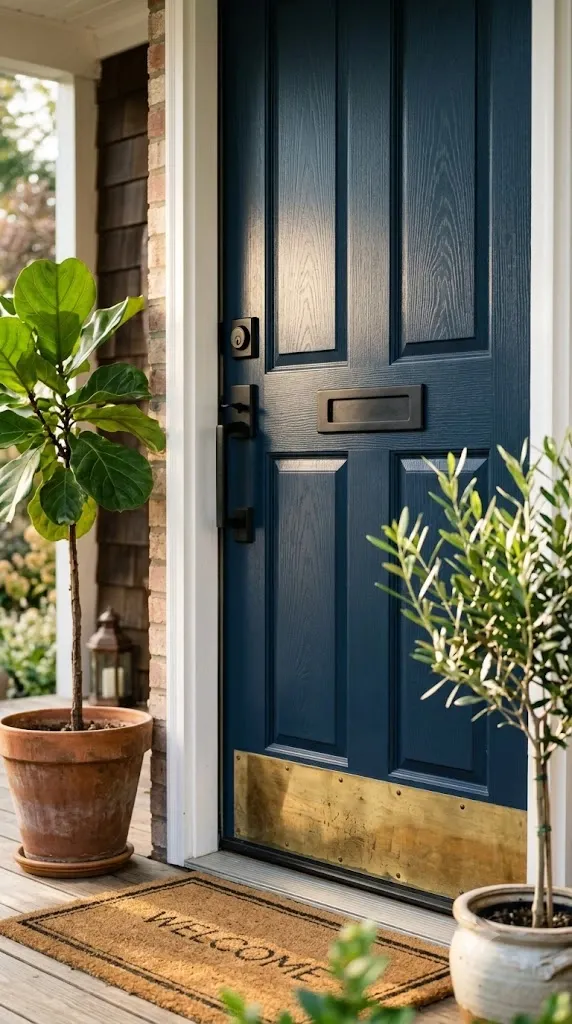
Your front door is the anchor of your whole yard, whether you realize it or not. It is the first thing a visitor’s eye locks onto, so a tired or faded door undoes a lot of the other work you might put into your landscaping. A fresh coat of paint in a saturated color like deep navy, forest green, or a warm black instantly makes the whole facade feel intentional. Swap the hardware too. New hinges, a solid brass or matte black handle set, and a simple kick plate run somewhere between fifty and two hundred dollars depending on finish, and the return on that small spend is honestly better than almost anything else on this list.
Layered Garden Beds Over a Single Border
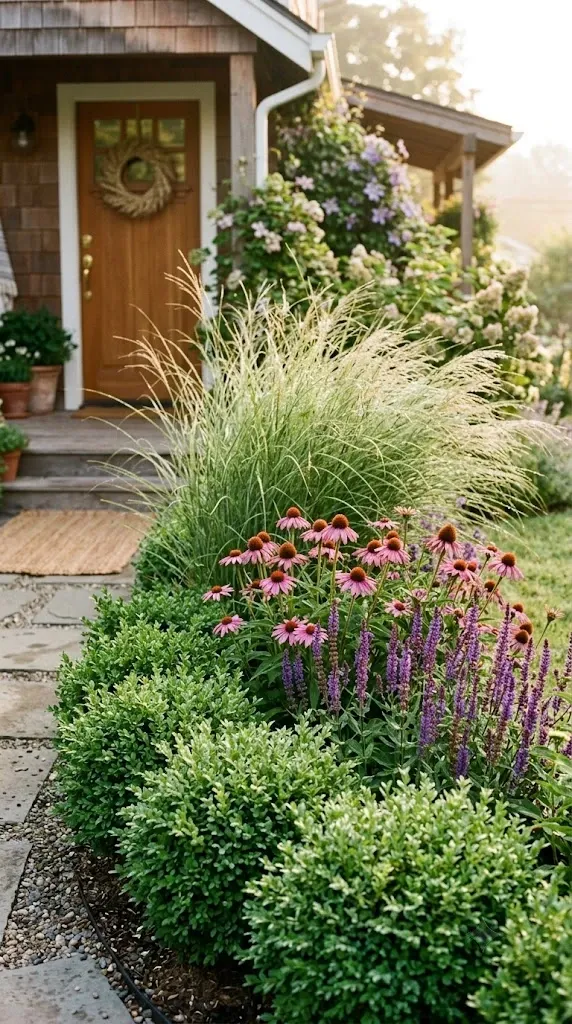
One mistake I see constantly is a single thin row of the same shrub running along the foundation like a green fence. It reads flat from the street. What actually creates depth is layering: low ground cover in front, mid-height perennials in the middle, and something taller like ornamental grass or a small ornamental tree toward the back.
A few reliable combinations that hold up in most US climates:
- Boxwood or dwarf holly for structure
- Coneflower or salvia for seasonal color
- Ornamental grass for movement and height
Plant this in odd-numbered groupings. Threes and fives look far more natural than even pairs, and it is a small design rule that makes a surprisingly big visual difference once the bed fills in. For more inspiration, browse front yard landscaping ideas before planning your own planting layout.
Is your yard more of a “needs a weekend refresh” situation or a “let’s rethink the whole thing” situation?
Mulch Done Right Not Just Add Mulch
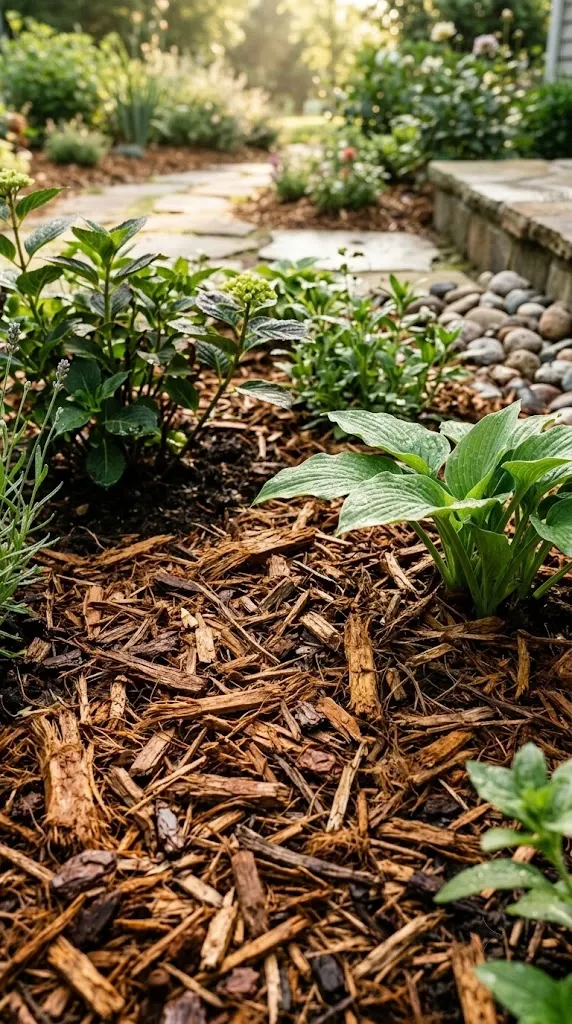
Everyone tells you to add mulch, but almost nobody tells you the part that matters. The color you pick changes how your whole yard reads. Black mulch photographs well but fades to a dull gray within a few months in full sun, and then you are stuck looking at it until the next refresh. Brown or natural cedar tones age much more gracefully and hide dust and pollen better too.
Budget wise, expect to pay somewhere around thirty five to fifty dollars per cubic yard bagged, less if you buy it in bulk from a landscape supplier. Plan on refreshing it once a year, maybe twice if you are in a hot climate where the sun breaks it down faster. One thing I always tell clients is to keep mulch pulled a few inches back from the base of the house and any tree trunks. Piling it against wood siding or bark invites rot and pests, and that is a maintenance problem nobody wants to deal with later.
A Real Pathway Even a Short One
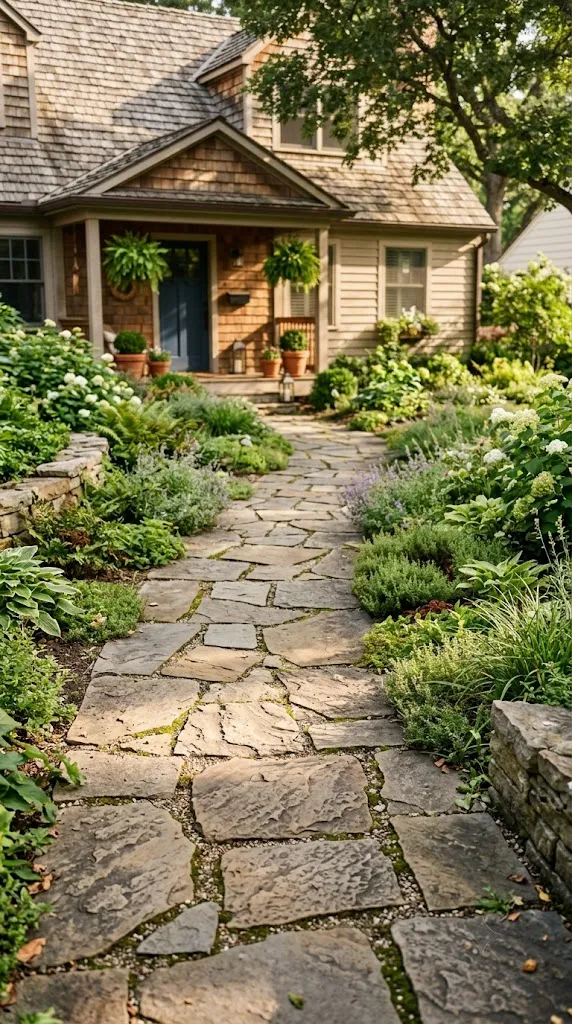
A pathway does something psychological that most homeowners underestimate. It tells a visitor exactly where to walk, and that sense of direction makes even a small yard feel designed rather than accidental.
Gravel is the cheapest option and easiest weekend project, but it does migrate into the lawn over time and needs edging to stay contained. Pavers cost more upfront, generally eight to fifteen dollars per square foot installed, but they last for decades with almost no upkeep. Natural stone sits at the top of the budget range and gives that high-end, old-world look, though it is heavier to install and usually worth hiring help for if you are doing more than a few feet.
Low Maintenance Ground Cover Instead of a Lawn
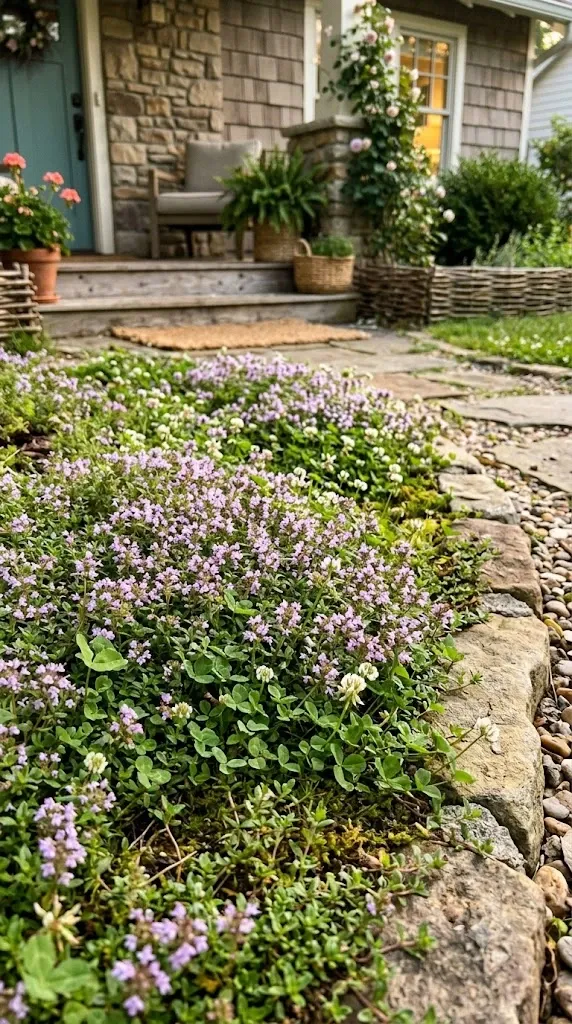
This is the one where I always tell clients to be honest with themselves first. If you love mowing on a Saturday morning, keep your grass. If you dread it, or you live somewhere water restrictions are becoming a real issue, a mix of ground cover and hardscape might serve you better long term.
Creeping thyme, clover, and dwarf mondo grass all handle foot traffic reasonably well and need a fraction of the water a traditional lawn does. The tradeoff is that they take a season or two to fully establish, so it is not an instant fix. And I will say this plainly since it comes up in almost every consultation: artificial turf divides people hard. It looks tidy and needs zero watering, but it gets genuinely hot underfoot in direct summer sun, and it does nothing for the bees and pollinators a living lawn supports. Choose it with your eyes open, not just because it photographs well.
Quick Summary Table:
| Idea | Estimated Price | Maintenance |
|---|---|---|
| Front Door Paint and Hardware | $50 – $200 | Low |
| Layered Garden Beds | $150 – $400 | Medium |
| Mulch Refresh | $35 – $50/cu. yd. | Medium |
| Paver Pathway | $8 – $15/sq. ft. | Low |
| Mailbox and House Numbers | $30 – $80 | Low |
| Layered Exterior Lighting | $300 – $1,200 | Low |
Which Yard Path Is Yours?
By Budget
Starter Yard
- Mailbox and house number refresh
- Mulch touch-up
- A few statement containers by the door
Investment Yard
- Paver or stone pathway
- Layered exterior lighting system
- Built-in fire feature
By Lifestyle
Busy Families
- Zoned backyard with a defined play area
- Low-maintenance ground cover over high upkeep lawn
- Durable, weather-resistant furniture
Weekend Entertainers
- Fire feature for gathering after dark
- Layered garden beds for a styled backdrop
- Statement lighting to extend evenings outside
Statement Lighting Not Just String Lights
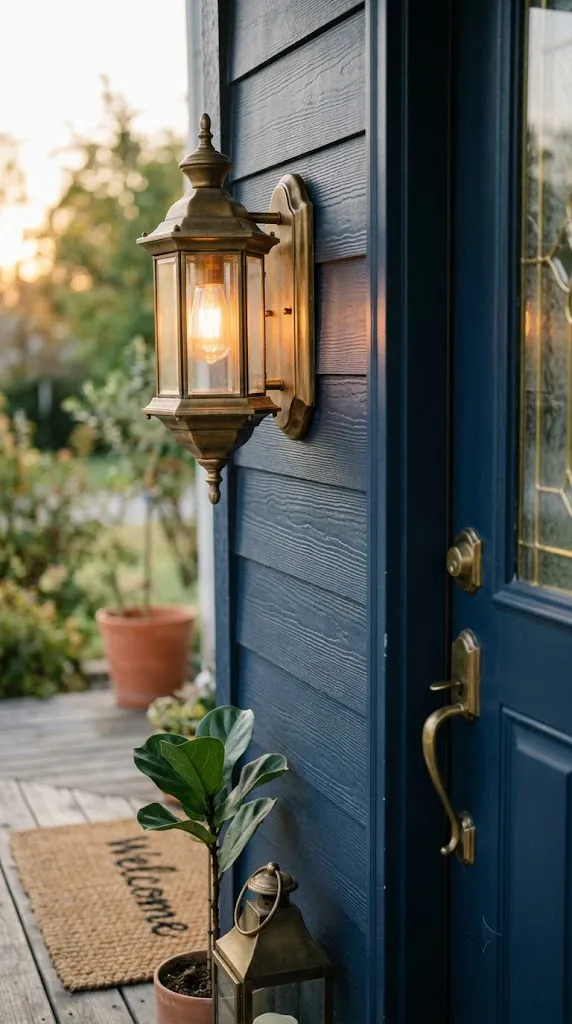
String lights get all the attention on social media, but they are decorative, not functional. What actually elevates a front yard after dark is layered lighting: uplights on trees or architectural features, path lights along your walkway, and a fixture at the front door that matches your home’s hardware finish.
Stick to warm white in the 2700K to 3000K range. Cool white light on a residential exterior almost always reads as clinical instead of inviting, and it is a mistake I see even in higher-end renovations. Solar path lights have improved a lot in recent years and are the easiest DIY option, though in regions with fewer sunny days you may find wired low-voltage lighting gives you more consistent results.
A Mailbox and House Number Refresh
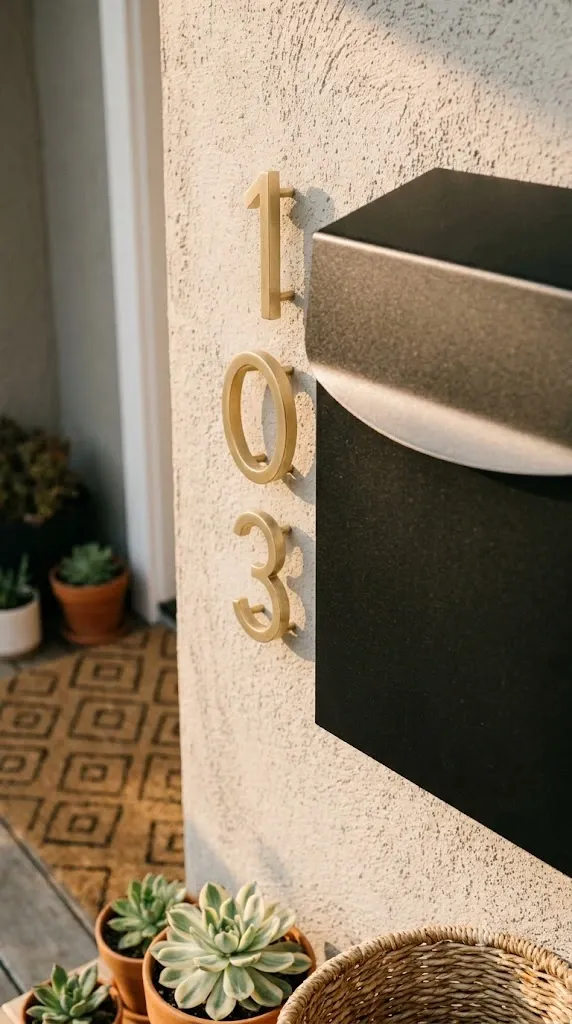
If you only do one thing from this entire list on a tight budget, make it this one. A new mailbox and updated house numbers cost as little as thirty to eighty dollars total, and they take less than an afternoon to install.
Match the finish to your front door hardware for a cohesive look: matte black, aged brass, or brushed nickel, depending on your home’s style. Modern floating house numbers mounted directly to siding look sharp on contemporary homes, while a classic wall mounted plaque suits a traditional colonial or craftsman better. It is a small detail, but it is one of the first things a buyer’s eye catches too, if resale value is anywhere on your radar.
Seasonal Container Styling
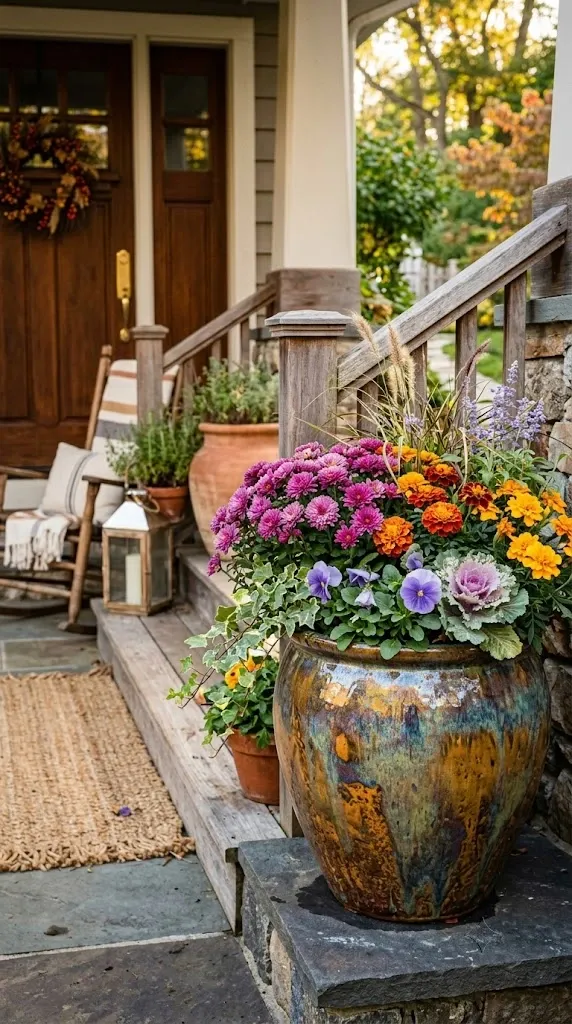
Container plantings by the front door are one of the easiest ways to keep your yard feeling current without redoing your whole landscape every few months.
- Spring calls for pansies, tulips, or daffodils in cheerful, saturated colors
- Summer works well with heat tolerant options like geraniums, lantana, or sweet potato vine
- Fall and winter can lean into mums, ornamental kale, or simple evergreen branches for texture
A quick trick I have learned over the years is to invest once in a good pair of large, weather-resistant planters; concrete, fiberglass, or glazed ceramic all hold up well, and simply rotate what is inside them seasonally. It saves money long term and keeps the hardscape element of your entry consistent while the plants do the seasonal work.
Backyard Zoning for Small Lots
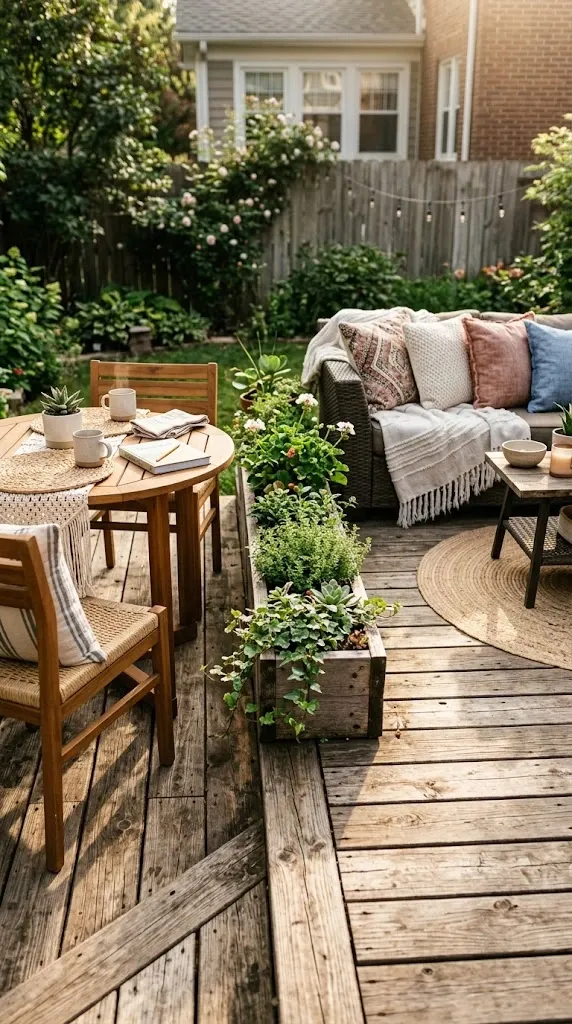
The biggest mistake I see in small backyards is treating the whole thing as one undefined patch of grass. It feels bigger, not smaller, when you break it into purposeful zones, even if each zone is modest in size.
Think in terms of a dining area near the house for easy access to the kitchen, a lounge area a few steps further out, and if you have kids or pets, a small defined play zone with its own ground surface like mulch or turf. Pairing your outdoor space with smart mudroom storage ideas also makes it easier to keep dirt, shoes, and gardening gear from being tracked throughout the house. You do not need hard walls between these spaces.
A Realistic Fire Feature
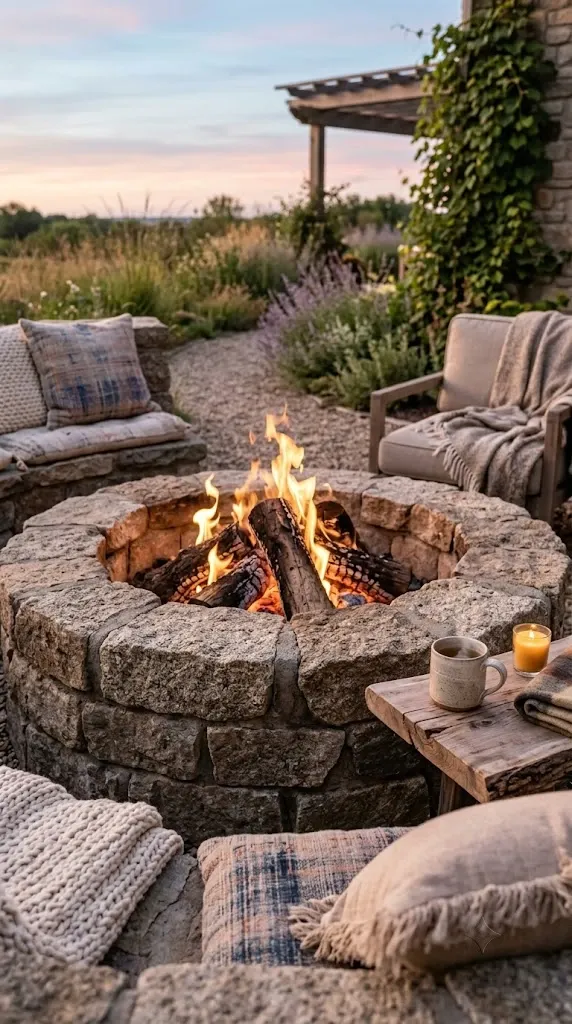
Fire features sell the fantasy of backyard living better than almost anything else, but I always walk clients through the real options before they commit to one.
A portable tabletop fire bowl is the lowest commitment, usually under two hundred dollars, and it is a smart way to test whether you will actually use one before building something permanent. A built in gas fire pit is a bigger investment, often several thousand dollars once you factor in the gas line, but it lights instantly and skips the smoke and ash of wood burning. One thing worth checking before you buy anything is your local HOA rules and your homeowner’s insurance policy, since some communities restrict open flame features entirely, and it is a call better made before the fire pit arrives than after.
Privacy Without a Full Fence
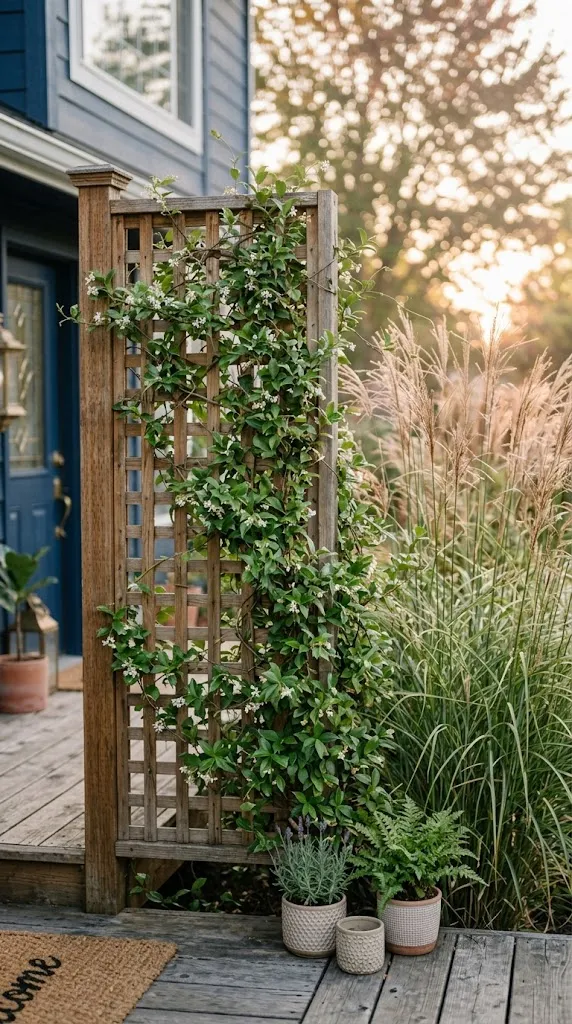
Not every yard needs a solid fence to feel private, and honestly a full fence can sometimes make a small backyard feel more closed in than protected.
Tall ornamental grasses, a row of arborvitae, or a simple lattice panel with a climbing vine can all soften sightlines from neighbors without boxing you in visually. Vertical gardens have become popular for this too, and they look wonderful in photos, but I will say clearly that they need more consistent watering than people expect, since the soil in a vertical planter dries out faster than a traditional bed. If you go that route, plan on a drip irrigation setup rather than hand watering, or you will be out there every single evening with a hose.
Which one of these thirteen ideas would make the biggest difference to your yard right now?
Furniture That Survives Real Weather
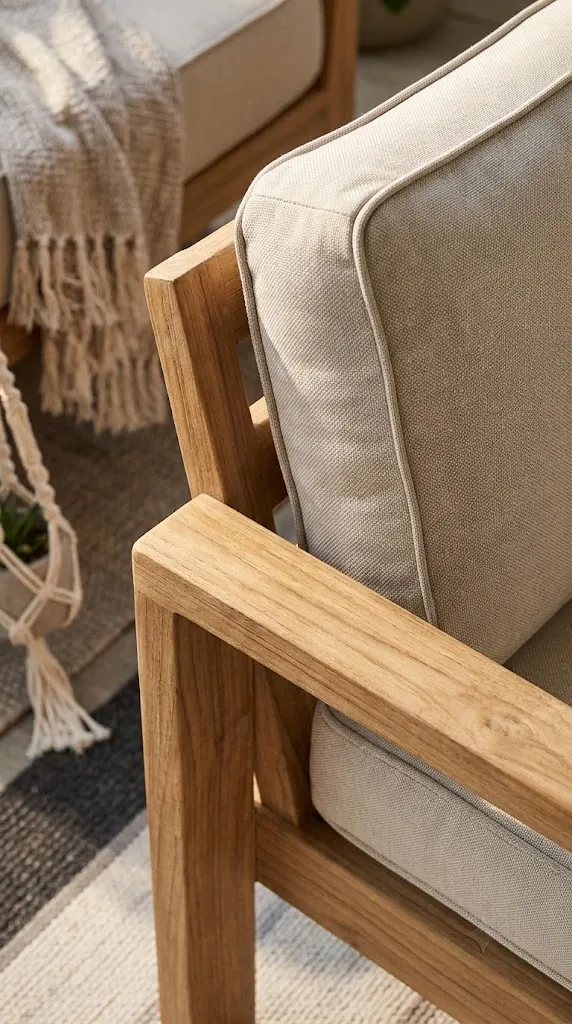
This is where I see the most money wasted, homeowners buying furniture that looks perfect in the store and falls apart after one real summer outside.
Check the fabric grade before anything else. Solution dyed acrylic, the kind used on higher end outdoor cushions, resists fading and mildew far better than standard polyester blends, even though it costs more upfront. For frames, aluminum and teak both hold up well against sun and moisture, while cheaper wicker style resin can become brittle within a couple of seasons in intense sun. My rule of thumb with clients is to spend more on the pieces that touch the ground, the frame and any cushions, since those are what weather damages first, and save money on accent pieces like side tables that are easier and cheaper to replace later.
The One Thing to Splurge On
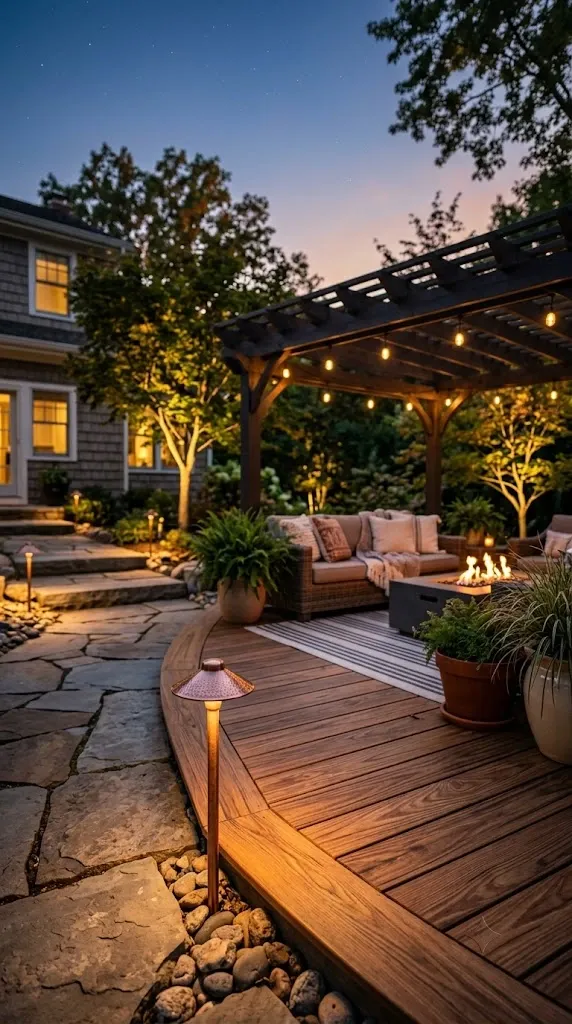
After years of doing this, if a client asks me where their money actually makes a visible difference, I point them toward lighting every single time. Not string lights, real layered exterior lighting with uplights, path lights, and a proper fixture at the entry.
Plants grow in, hardscaping ages gracefully on its own, but a yard with no evening lighting simply disappears after dark, no matter how much you spent on it during the day. It is the one upgrade that changes how your home feels for a full third of every twenty four hour cycle, and it is worth stretching the budget for over almost anything else on this list.
Frequently Asked Questions
How much does it cost to improve curb appeal on a budget?
You can noticeably improve curb appeal for under $300 with fresh mulch, a new mailbox, and a pair of front door planters.
What is the cheapest way to landscape a front yard?
Fresh mulch and clean edging are the most affordable upgrades. Together, they can transform a front yard for under $100.
How do I make my backyard look expensive without a full renovation?
Add layered outdoor lighting and one or two quality furniture pieces. They create a polished look without a major remodel.
Is artificial turf worth it for a small yard?
It depends on your climate. Turf reduces maintenance but can get hot in direct sunlight and doesn’t support local pollinators.
What yard upgrades add the most value when selling a home?
Focus on the basics: a clean front door, updated house numbers, healthy landscaping, and working outdoor lighting.
Conclusion
Improving your yard doesn’t have to be expensive or overwhelming. Start with one project that fits your budget, whether it’s refreshing the front entry, updating your landscaping, or adding better outdoor lighting. Small changes can make a big difference, and you can always build on them over time. If you’re looking to improve your home’s overall appearance beyond the yard, exploring garage organization ideas can help create a cleaner, more polished exterior from every angle.
