
A yard should not demand your weekends. These low maintenance landscaping ideas use tough plants and smart surfaces so your garden looks cared for with almost no work.
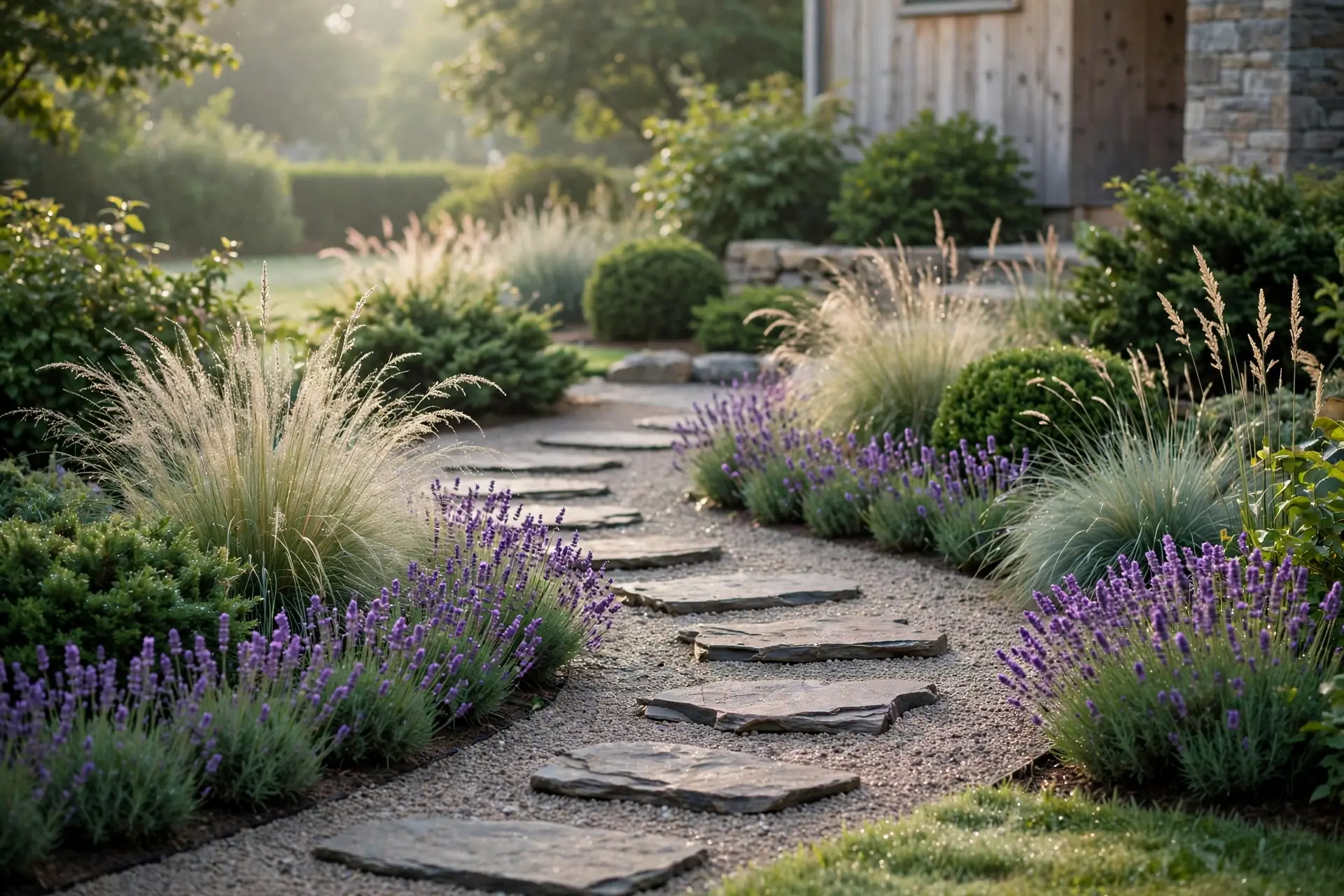
1. Replace Lawn With Groundcover
Swap thirsty turf for creeping thyme or clover and mowing ends. It stays green and crowds out weeds. Best for: sunny slopes — plant in spring.
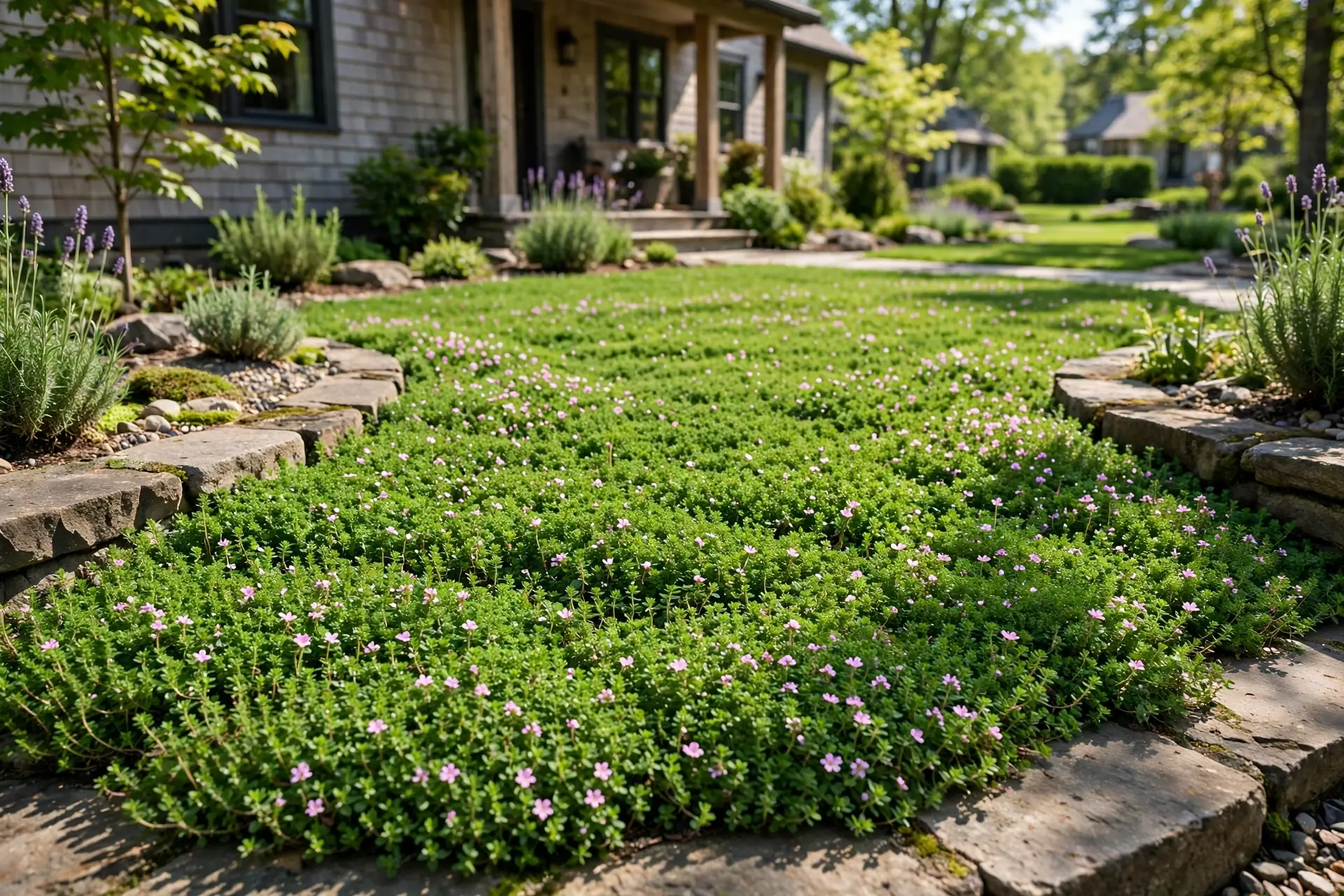
2. Plant Native Perennials
Native perennials already love your soil and climate, thriving with almost no feeding. Coneflowers and daylilies return yearly. Best for: busy gardeners — plant in drifts.
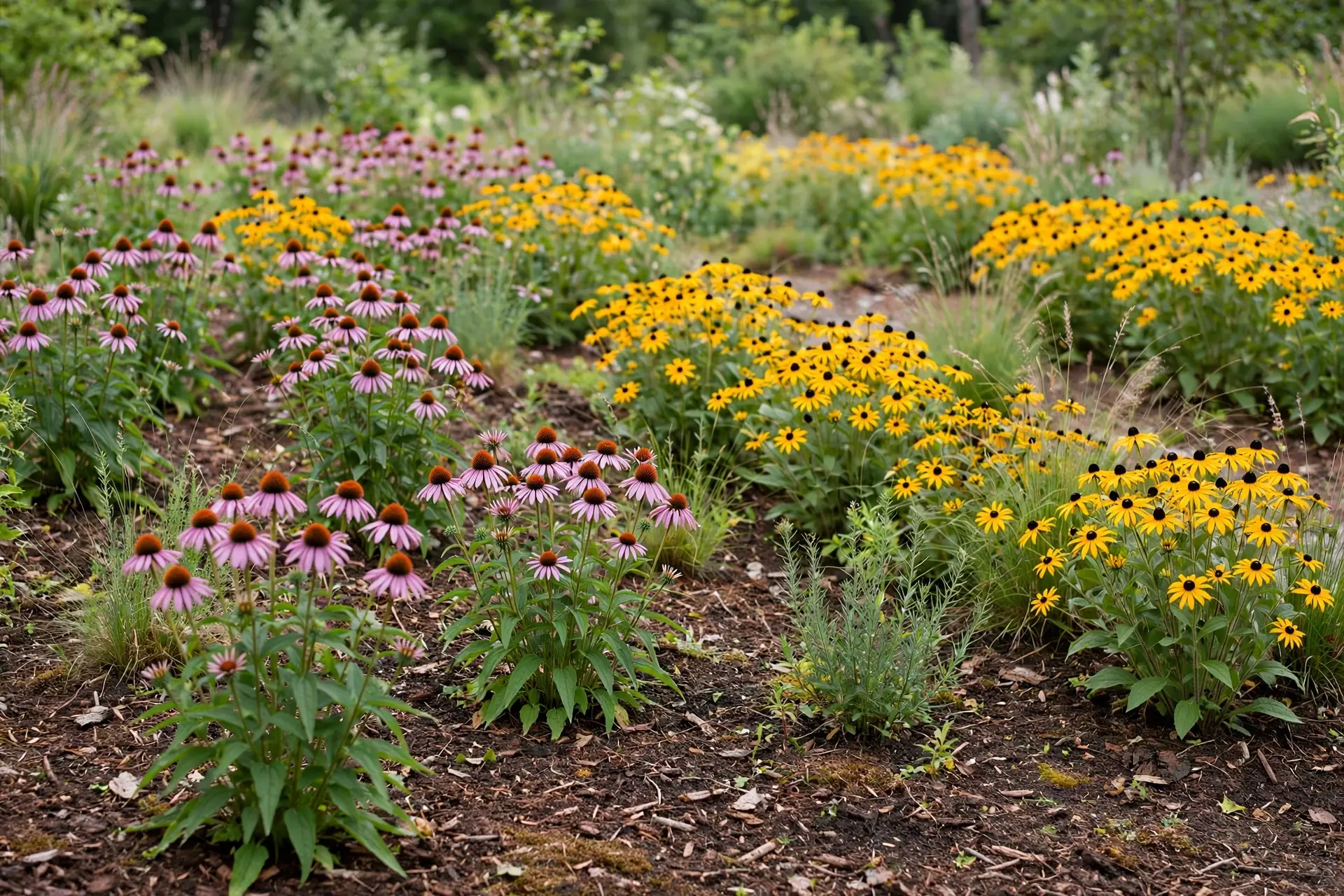
3. Build a Gravel Garden
A gravel garden looks polished, drains well, and barely needs weeding once plants settle in. Set drought-tolerant plants in gravel mulch. Best for: dry sunny spots — use landscape fabric.
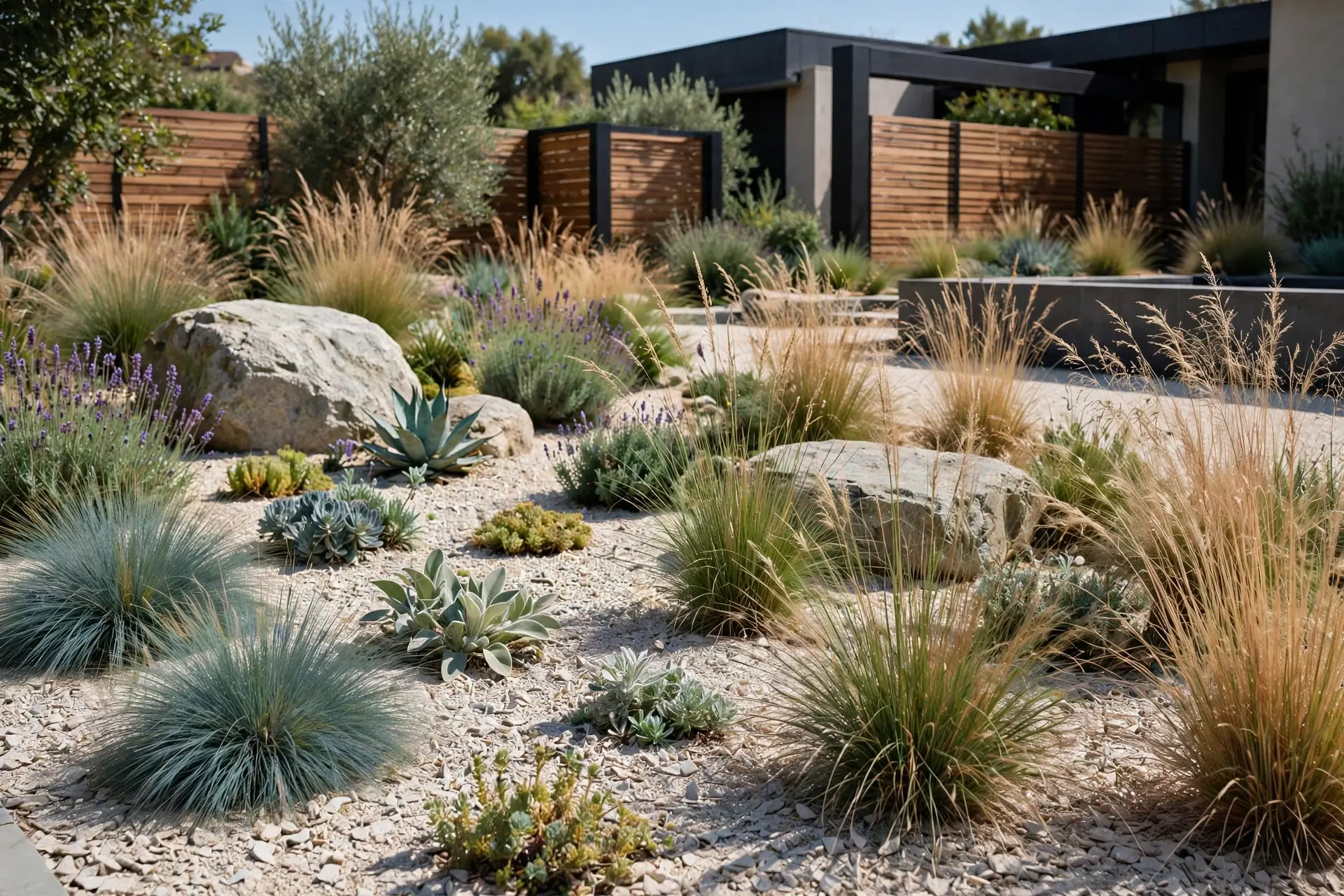
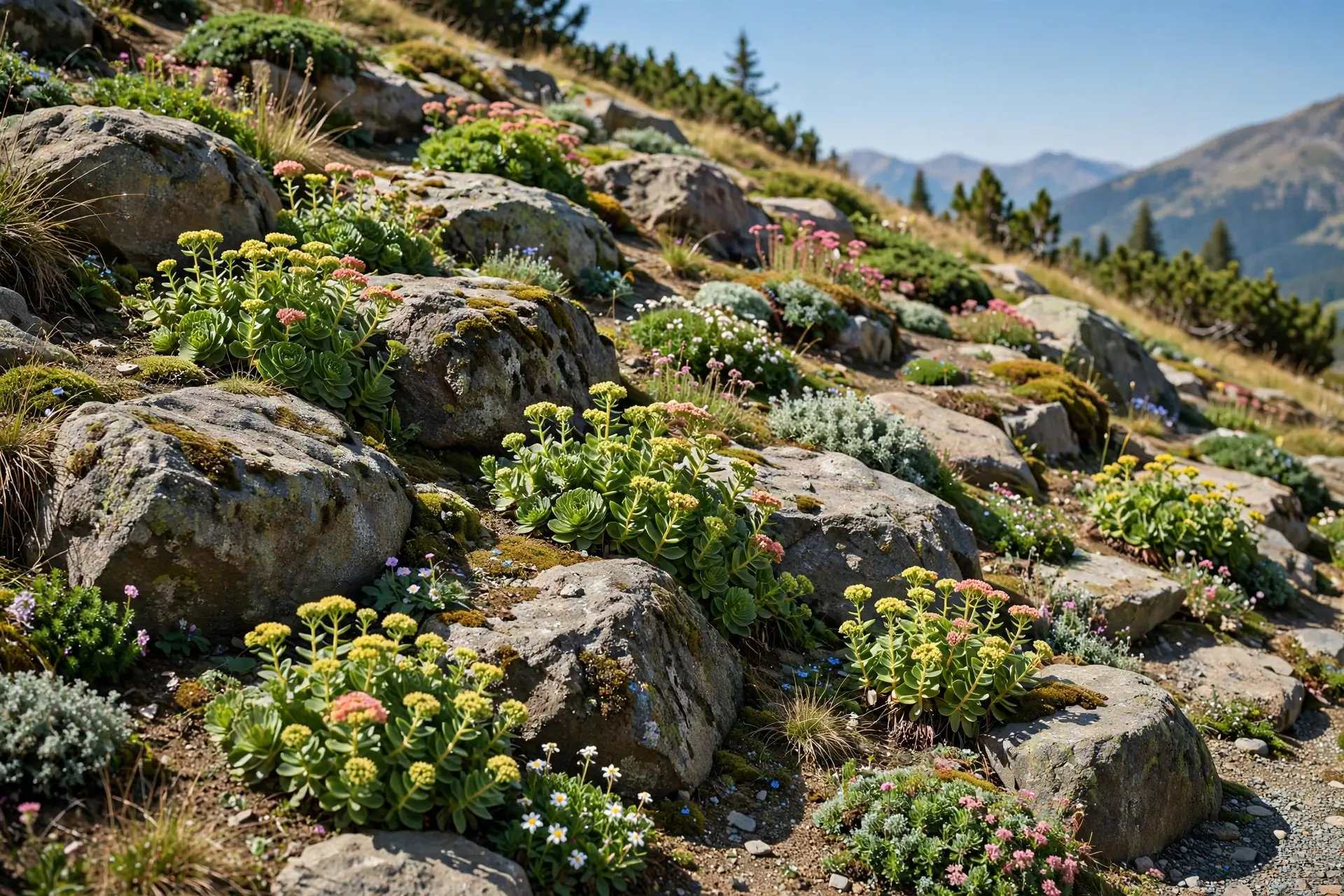
4. Add a Rock Garden
A rock garden turns a tricky slope into a feature, with boulders, alpine plants, and sedum doing the work. Rocks hold heat, suppress weeds. Best for: slopes — anchor large stones first.
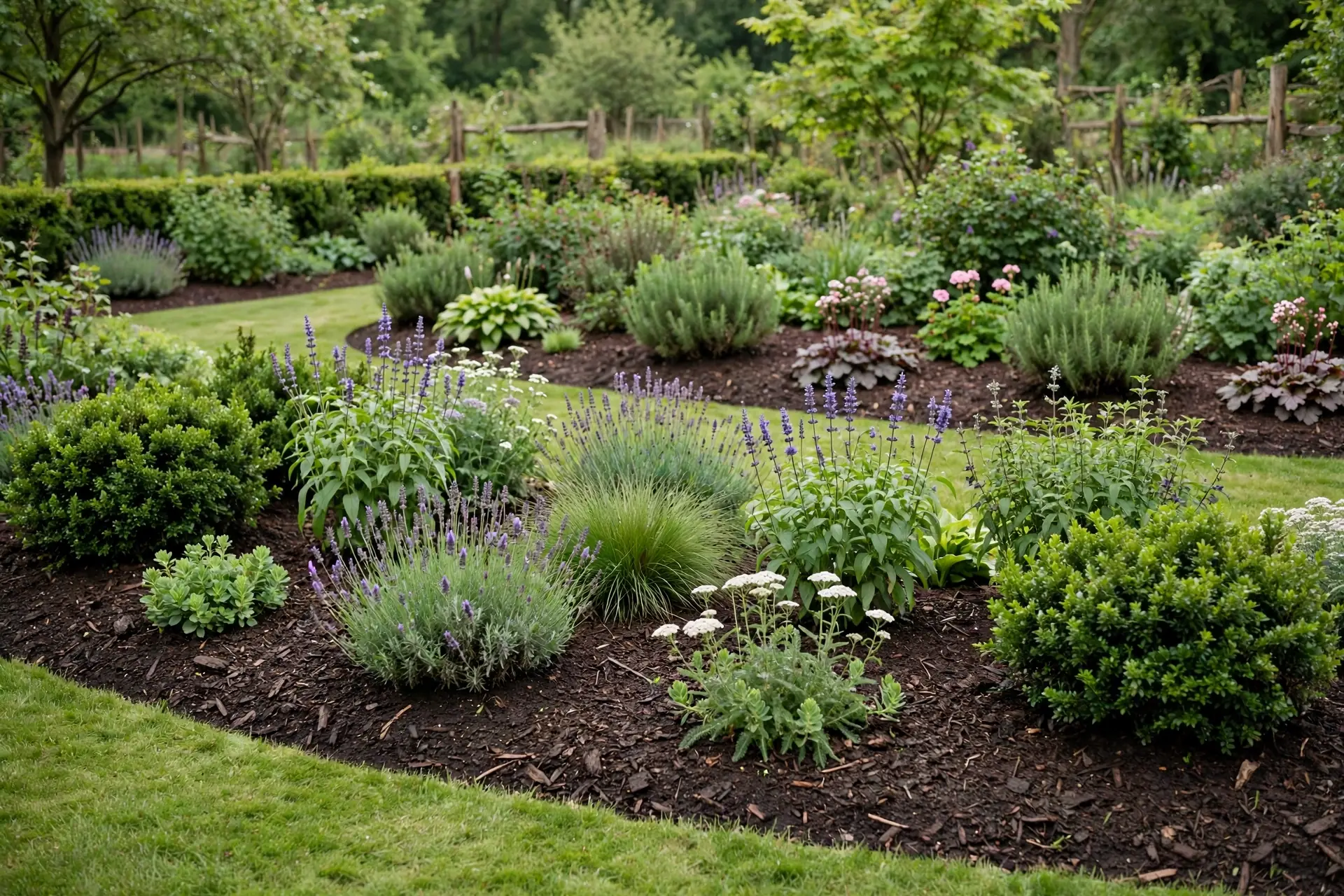
5. Mulch Every Bed Deeply
A thick mulch layer is the cheapest low-maintenance trick. It locks in moisture, smothers weeds, and feeds soil. Best for: every bed — top up yearly.
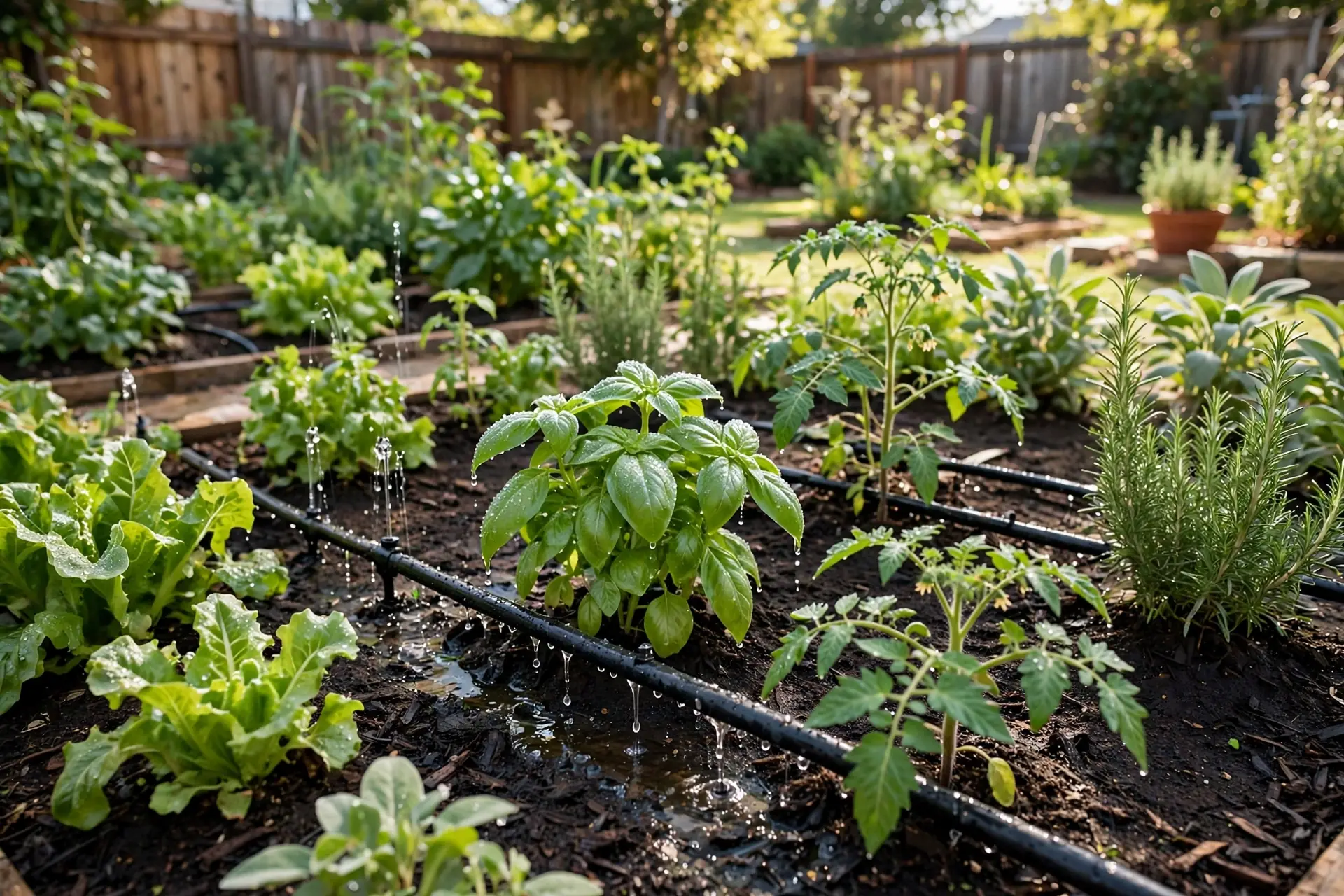
6. Install Drip Irrigation
Drip lines water roots slowly, so plants stay happy while weeds stay thirsty. Add a timer and watering nearly vanishes. Best for: beds and borders — run lines under mulch.
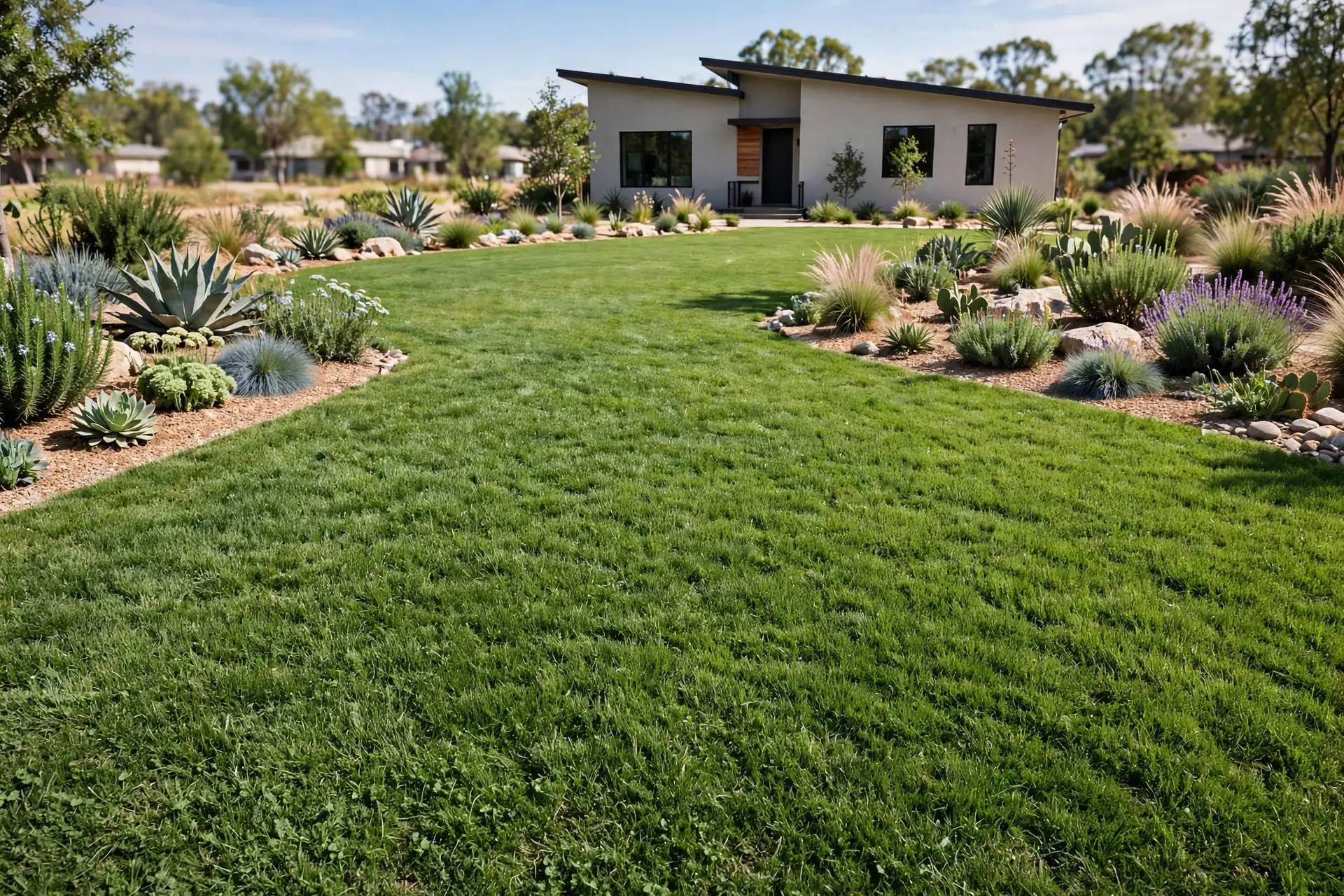
7. Choose Drought-Tolerant Grasses
Drought-tolerant grasses like buffalo grass stay green on far less water than a classic lawn. They grow slowly, so mowing drops. Best for: dry regions — sow in autumn.
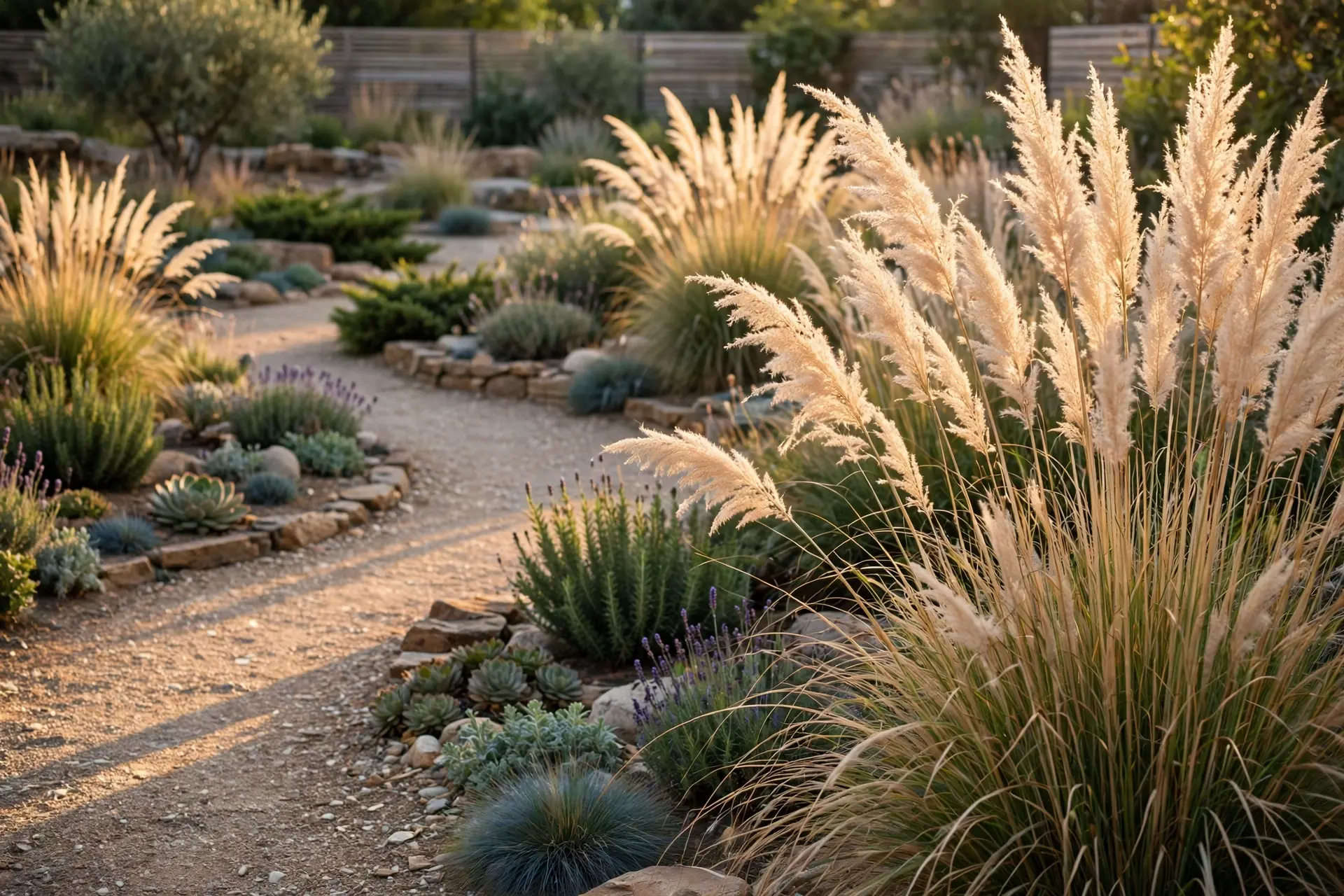
8. Add Ornamental Grasses
Ornamental grasses bring movement and texture with almost zero care — cut them back yearly and they return stronger. Best for: borders — give them room to spread.
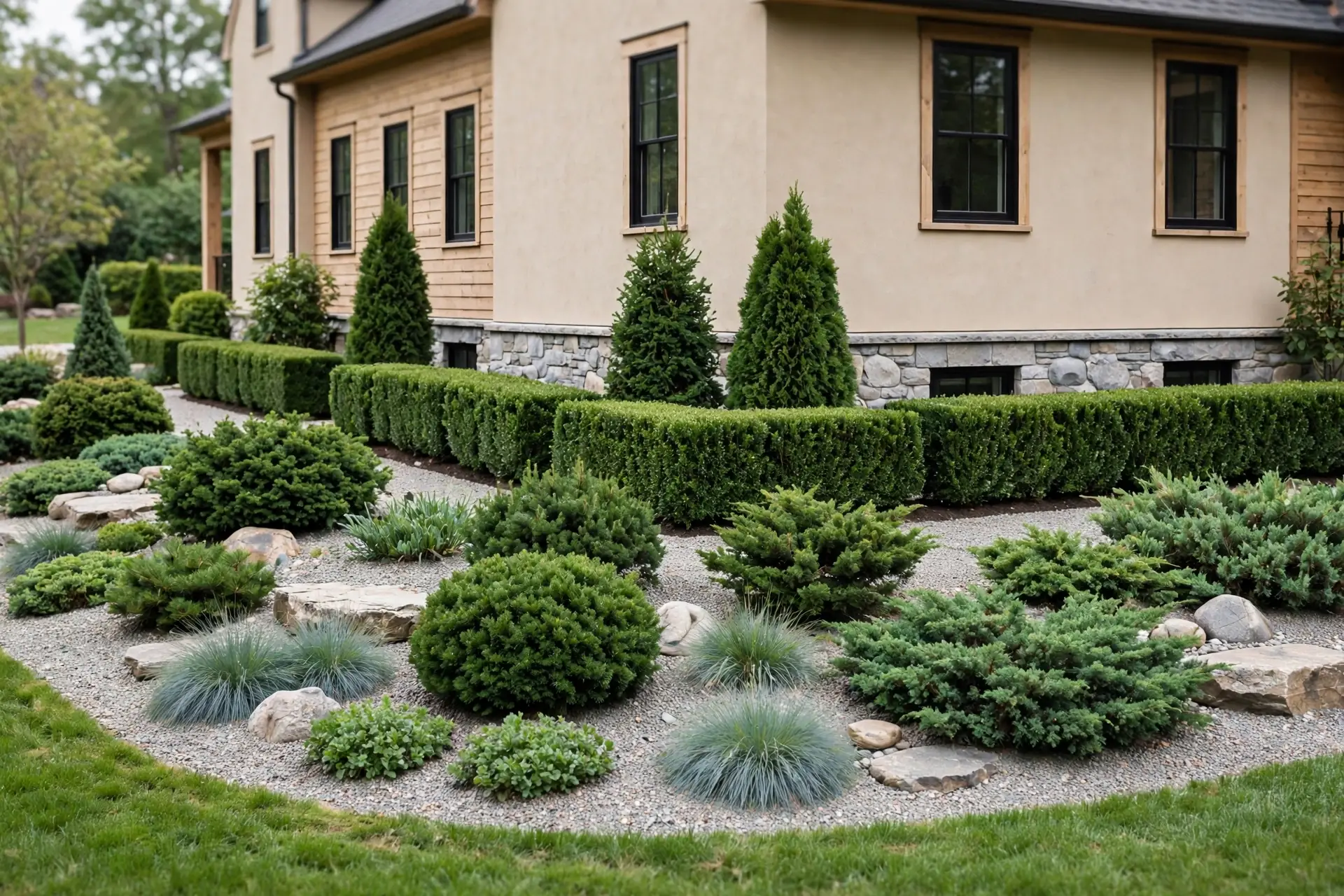
9. Plant Evergreen Shrubs
Evergreen shrubs keep structure and color all year with one trim. Boxwood, juniper, and holly anchor beds. Best for: foundation beds — space for mature size.
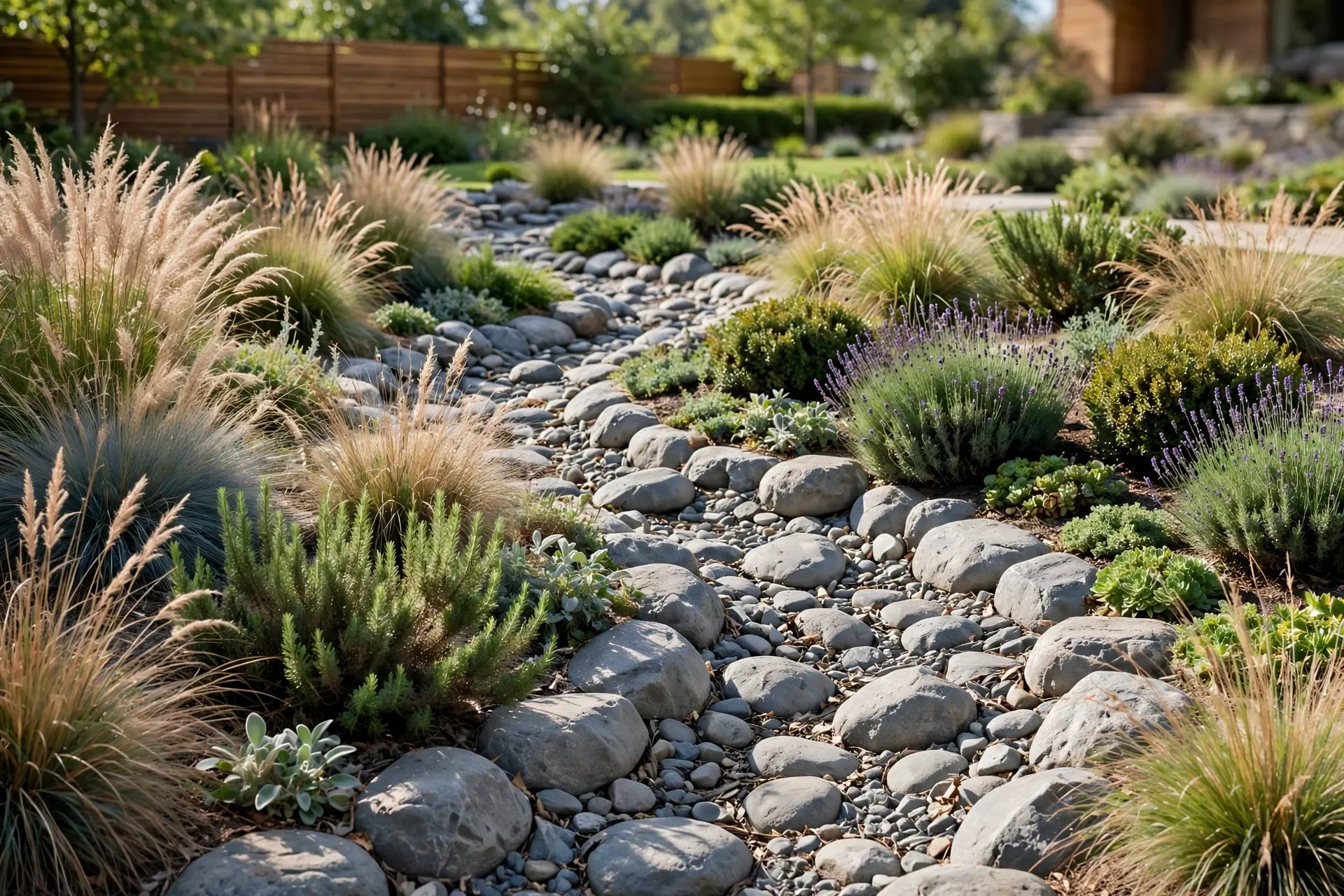
10. Create a Dry Creek Bed
A dry creek bed handles rainwater beautifully and looks intentional even when dry. Line a shallow swale with river rock. Best for: soggy corners — slope it gently.
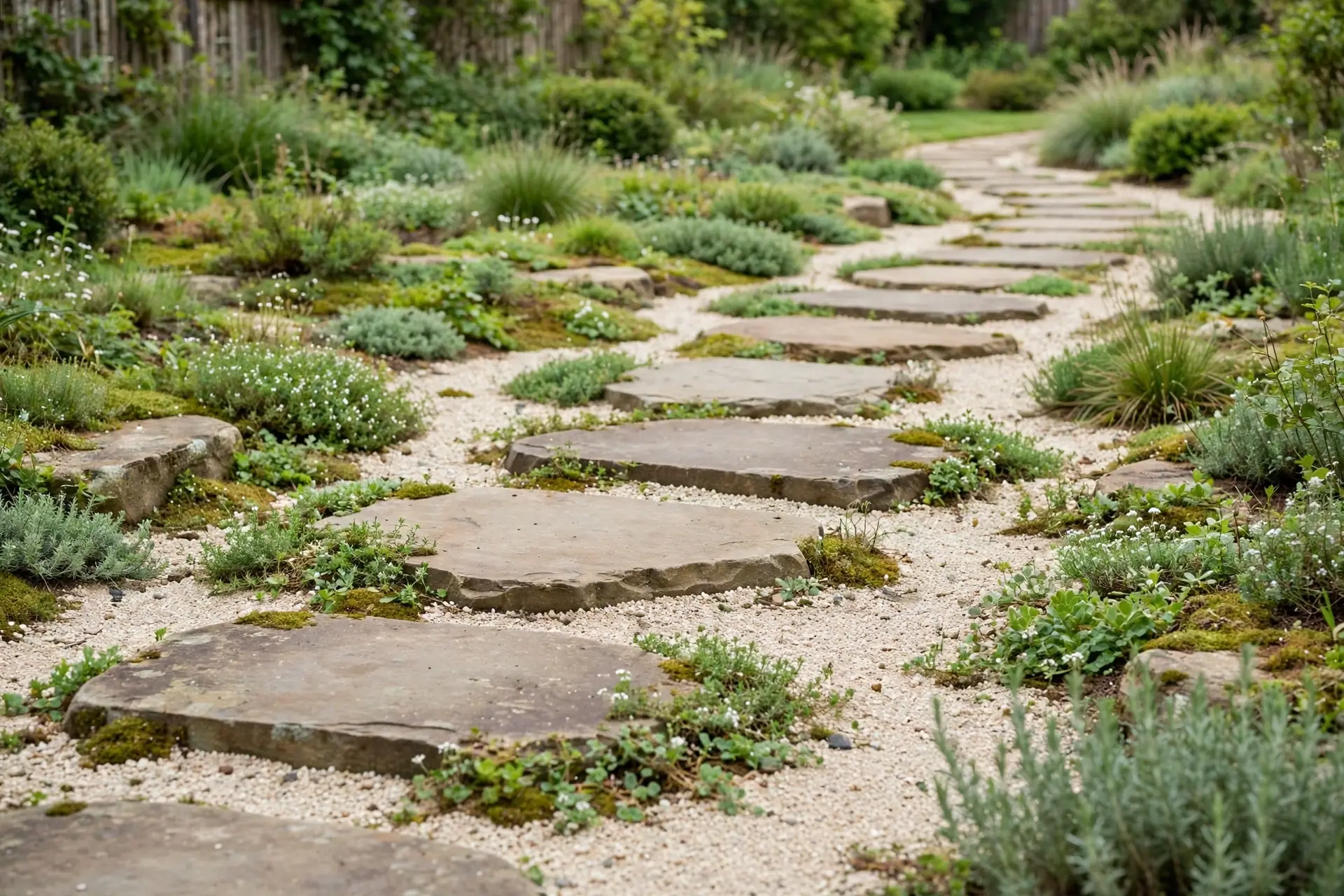
11. Lay Stepping Stones
Stepping stones make a path that never needs edging or mowing. Set large flat stones in gravel for a relaxed look. Best for: garden paths — keep gaps narrow.
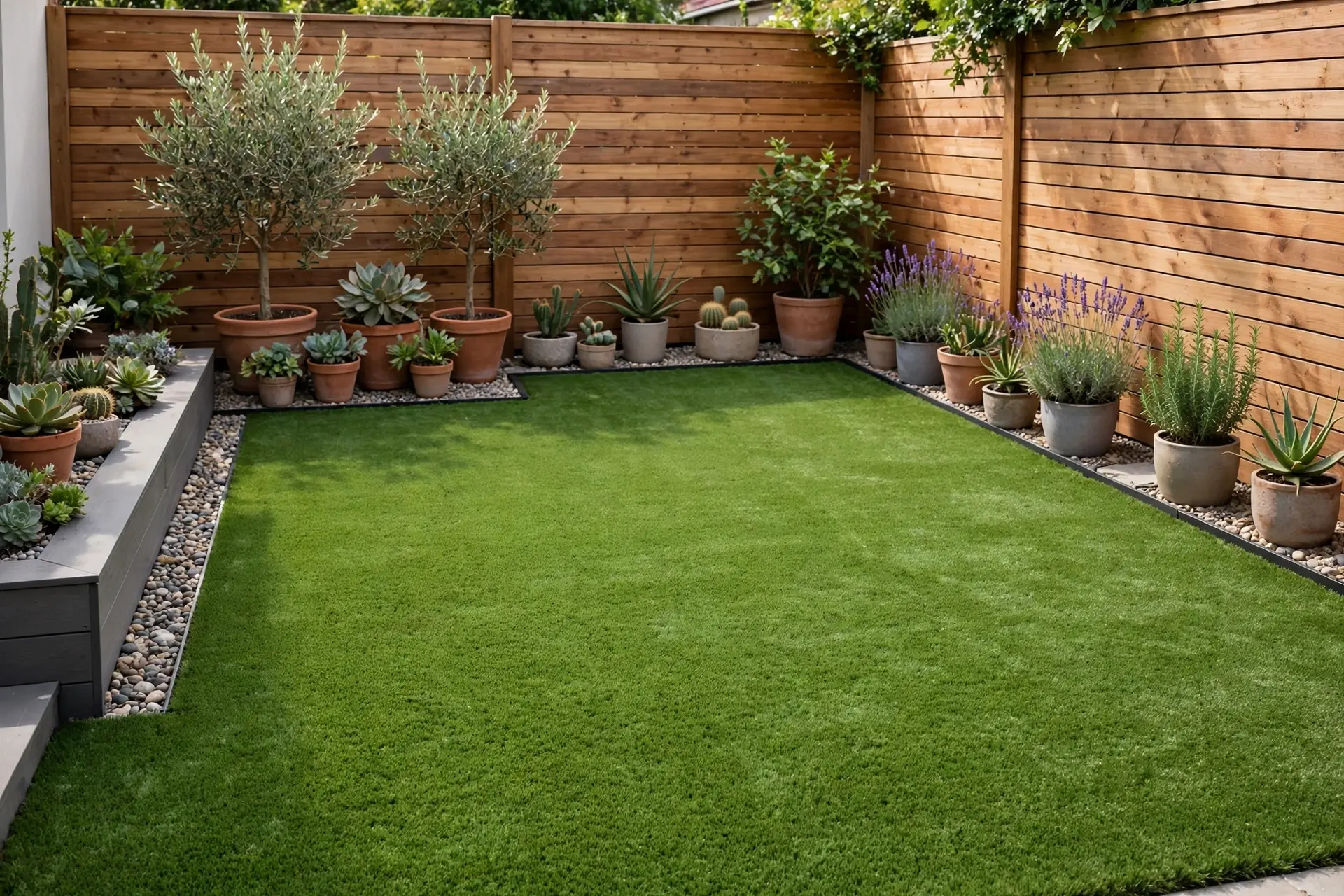
12. Add Artificial Turf
Artificial turf stays green through drought, mud, and heavy foot traffic with no mowing or watering. Modern turf looks real. Best for: small yards — choose a quality pile.
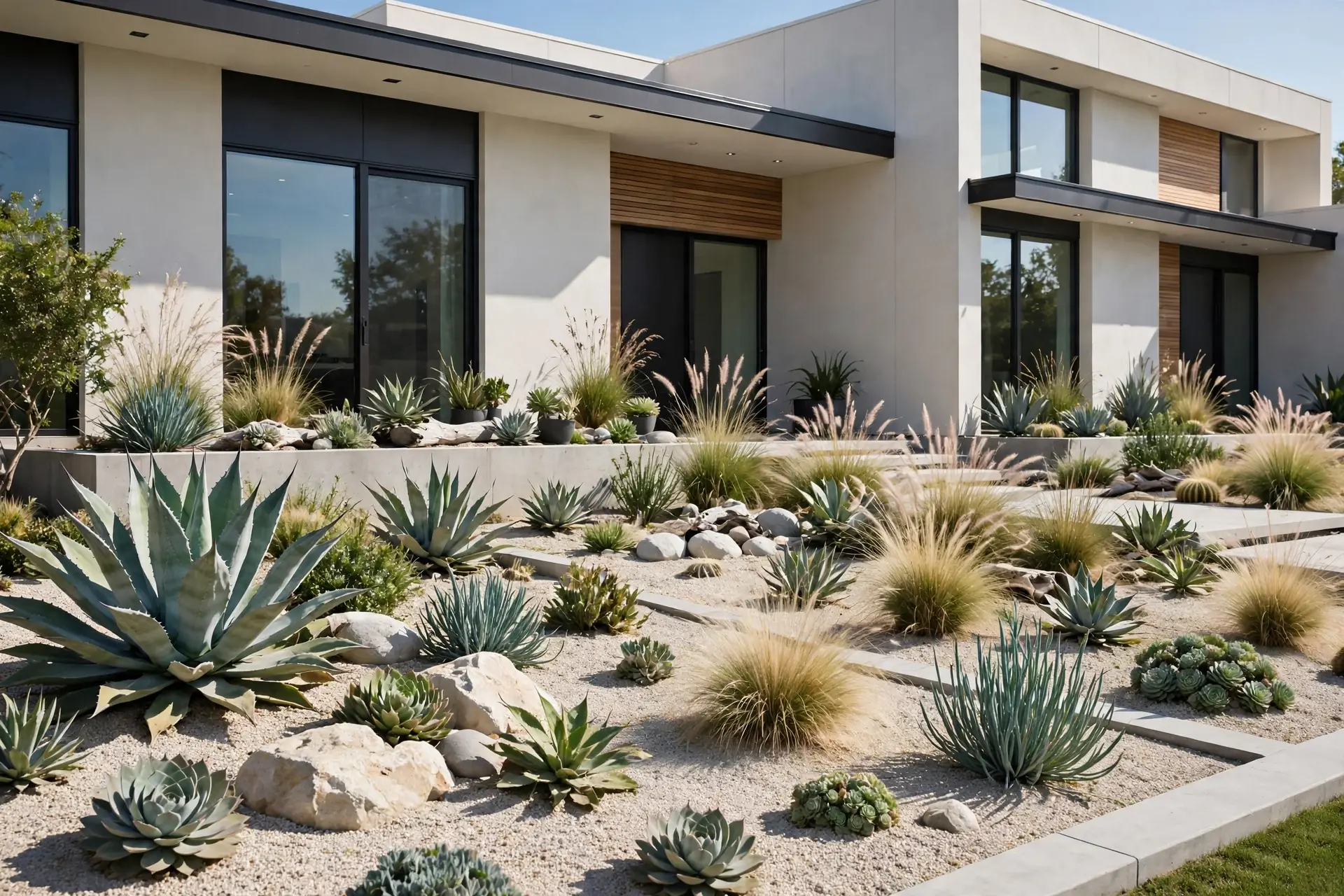
13. Xeriscape the Front Yard
Xeriscaping groups plants by water need, so nothing gets overwatered or neglected. Gravel, succulents, and grasses replace thirsty lawn. Best for: hot climates — start with one bed.
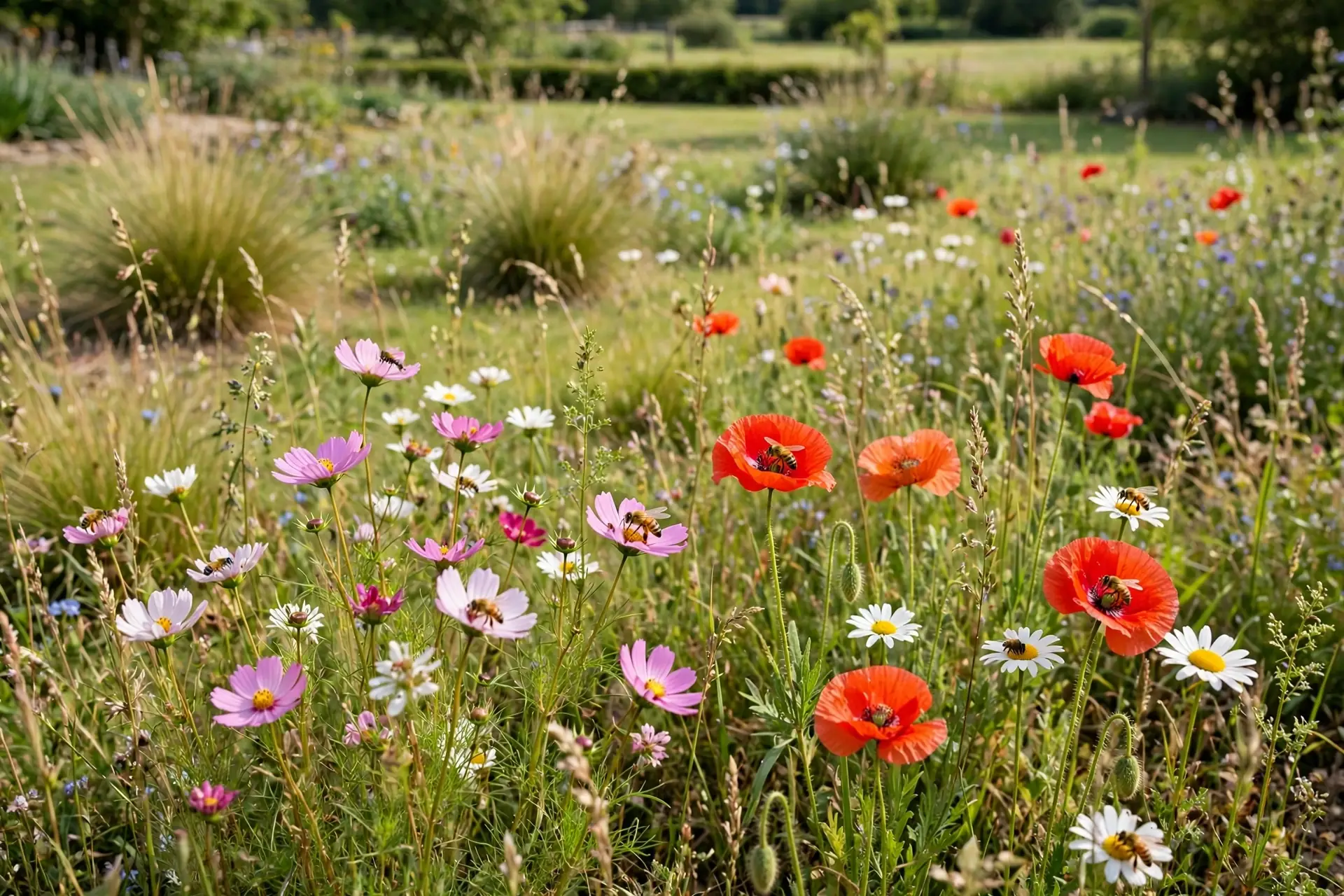
14. Plant a Wildflower Meadow
A wildflower meadow replaces mowing with a once-a-year cut and feeds pollinators all summer. Scatter regional seed and let nature fill gaps. For a pollinator-friendly twist, see our pollinator garden ideas. Best for: sunny open areas — mow once in autumn.
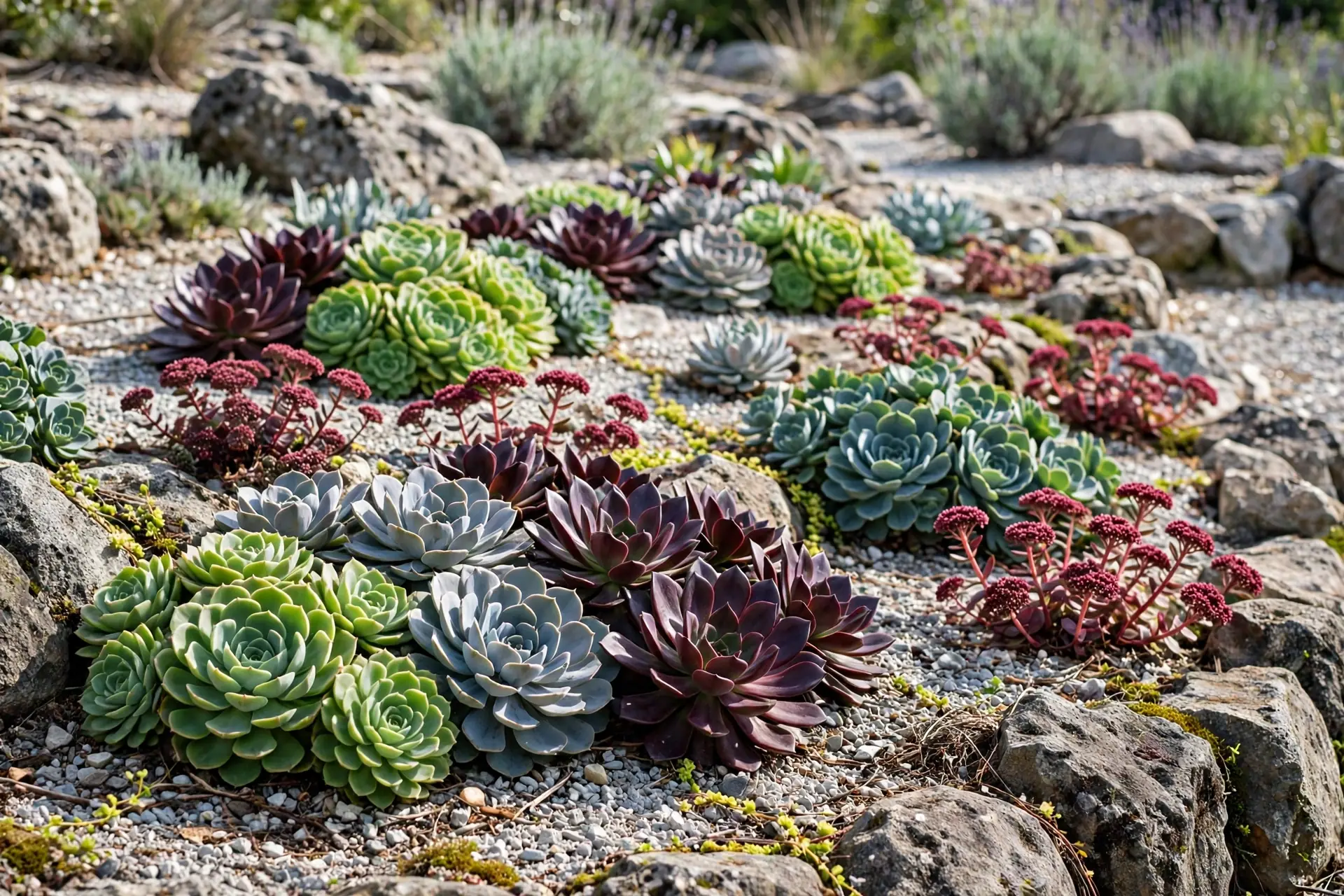
15. Add Succulents and Sedum
Succulents and sedum store their own water, so they shrug off neglect and drought alike. Tuck them into rock gaps and sunny borders. Best for: hot dry beds — use gritty soil.
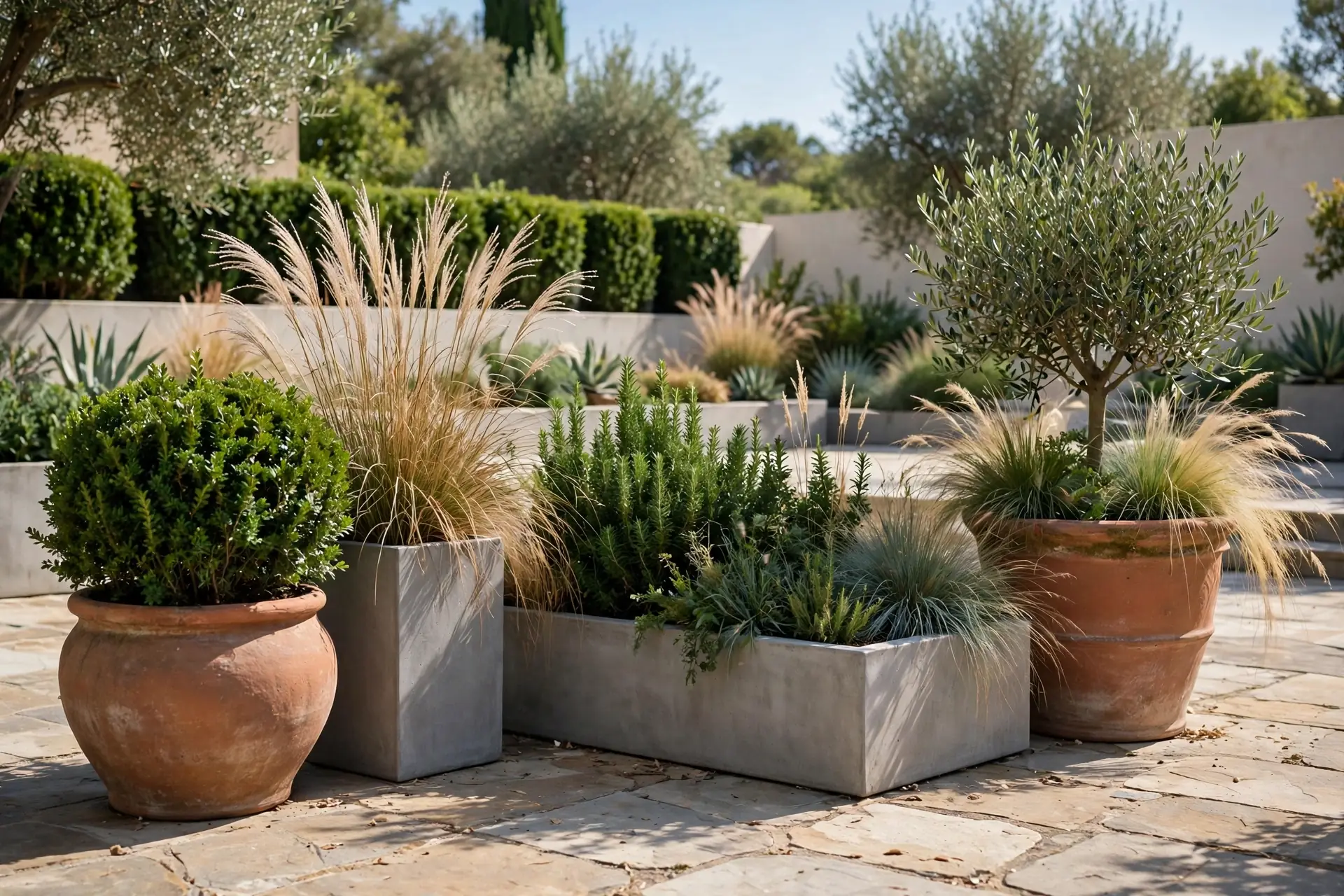
16. Use Large Low-Care Planters
A few big planters beat many small pots — they dry out slower and need watering far less often. Fill them with evergreens. Best for: patios — add drip spikes.
17. Add a Low-Maintenance Hedge
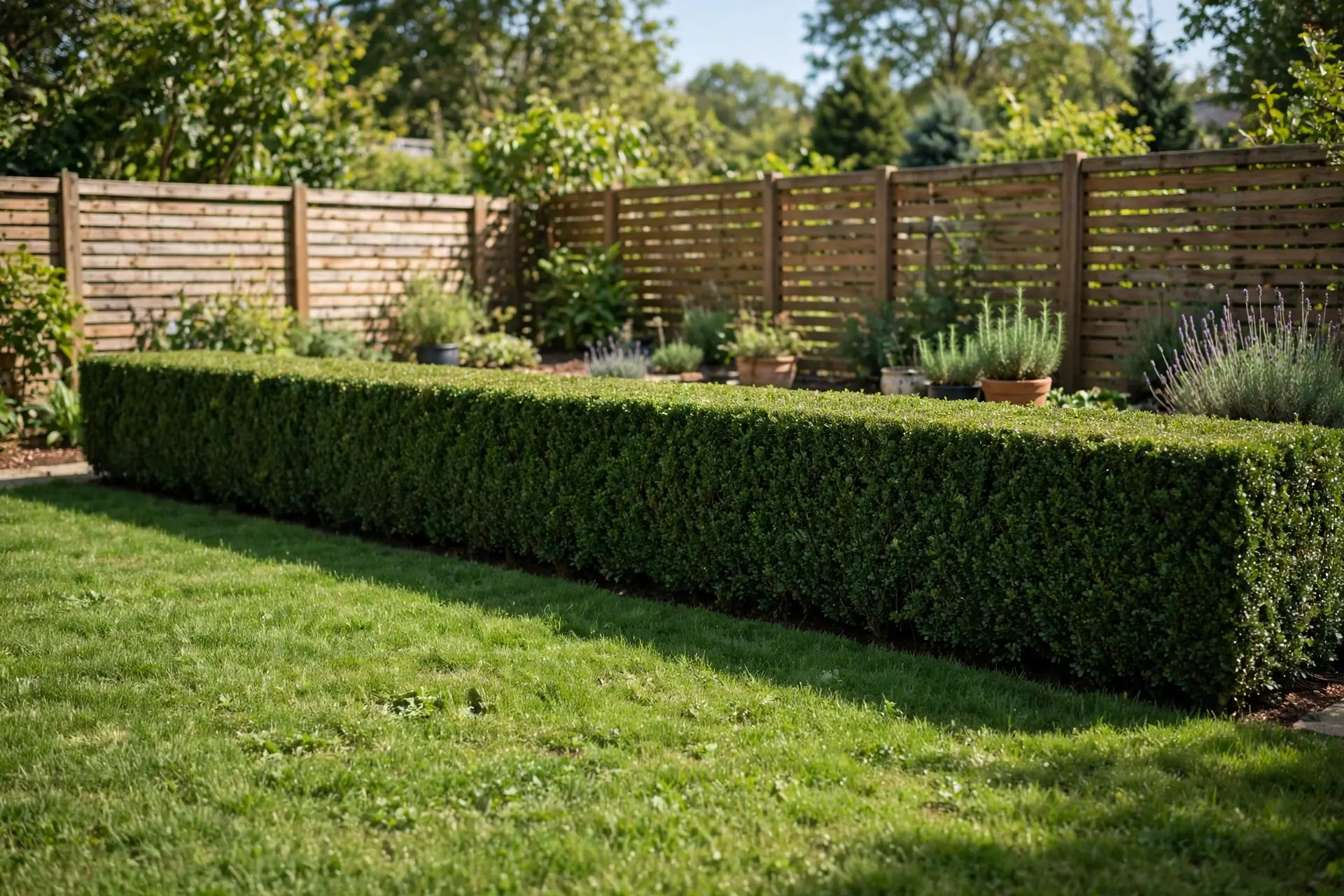
A slow-growing hedge like boxwood or yew needs one trim a year and frames the whole yard. It hides fences and stays neat. Best for: privacy — plant at mature spacing.
18. Edge Beds With Stone
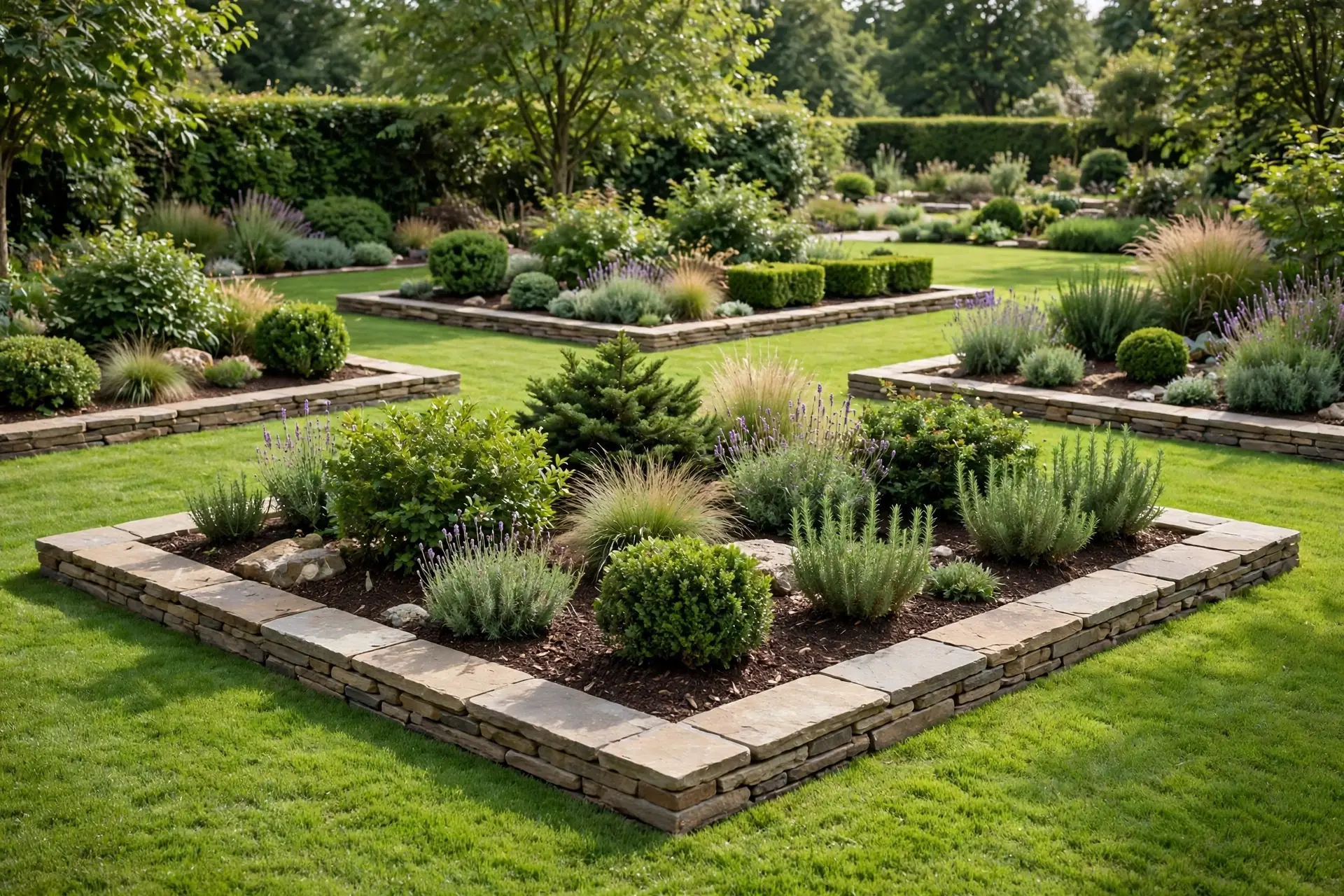
Stone edging stops grass creeping into beds and keeps mulch where it belongs. Once set, it never needs replacing. Best for: lawn edges — bury stones halfway.
19. Choose Slow-Growing Trees
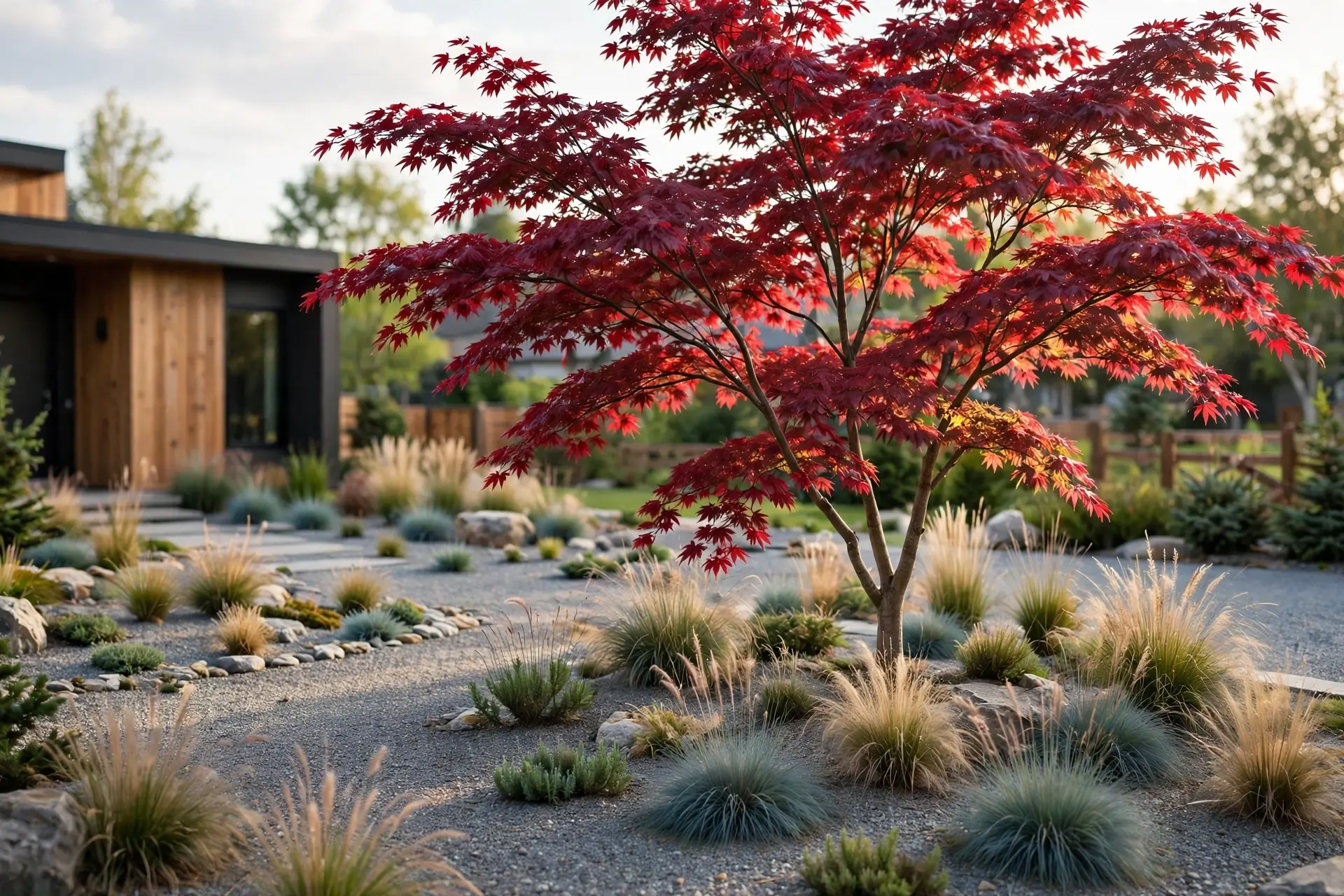
Slow-growing trees like Japanese maple need little pruning and drop fewer leaves. Pick the right size and avoid years of trimming. Best for: small yards — check mature height.
20. Add a Paver Patio
A paver patio swaps mowing and watering for a surface you sweep once in a while. Pavers drain well and age gracefully. If budget matters, see our backyard ideas on a budget. Best for: seating areas — use polymeric sand.
21. Plant Lavender Borders
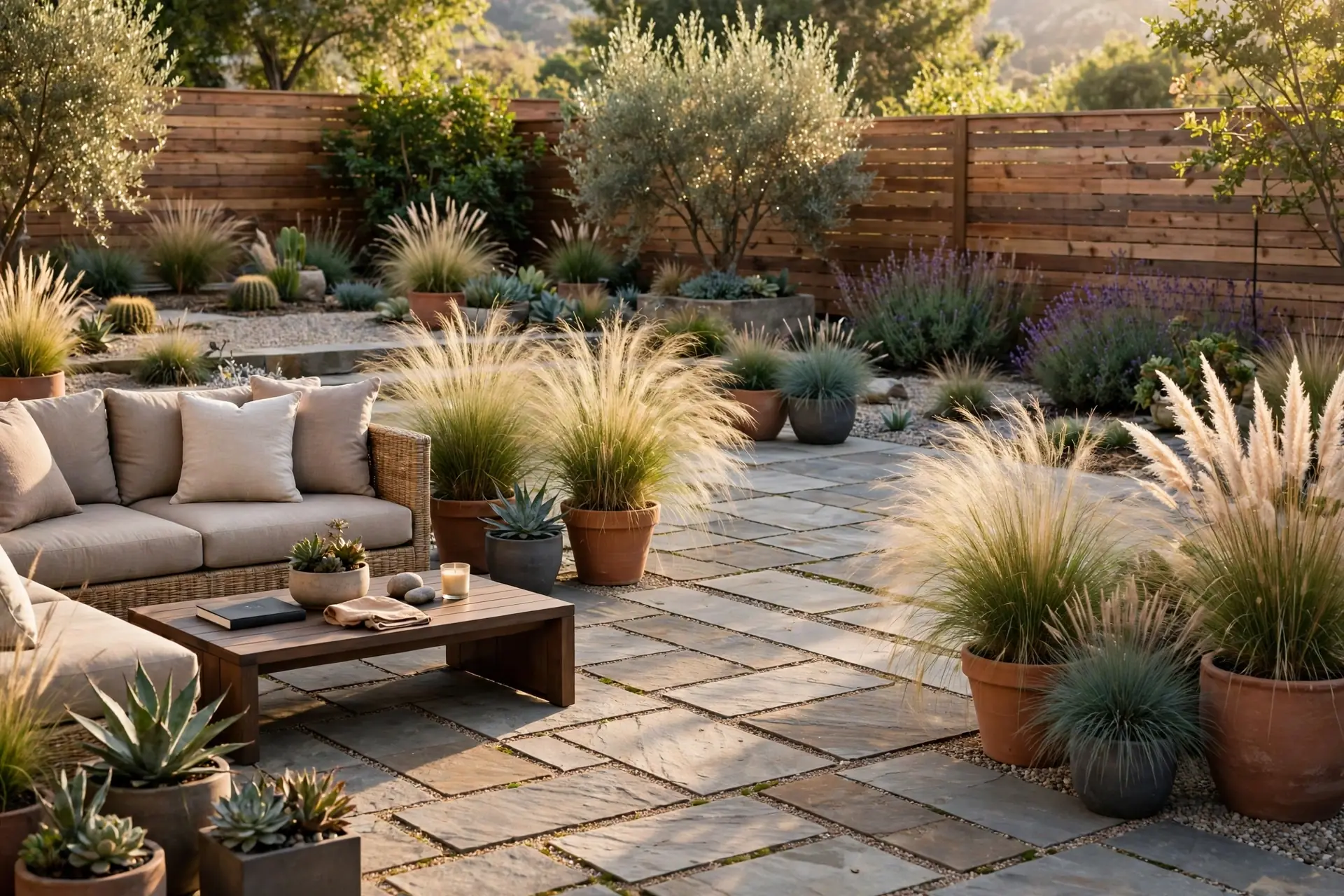
Lavender borders smell wonderful, attract bees, and need almost nothing once established. One yearly trim keeps plants bushy. Best for: sunny paths — plant in free-draining soil.
22. Add a Rain Garden
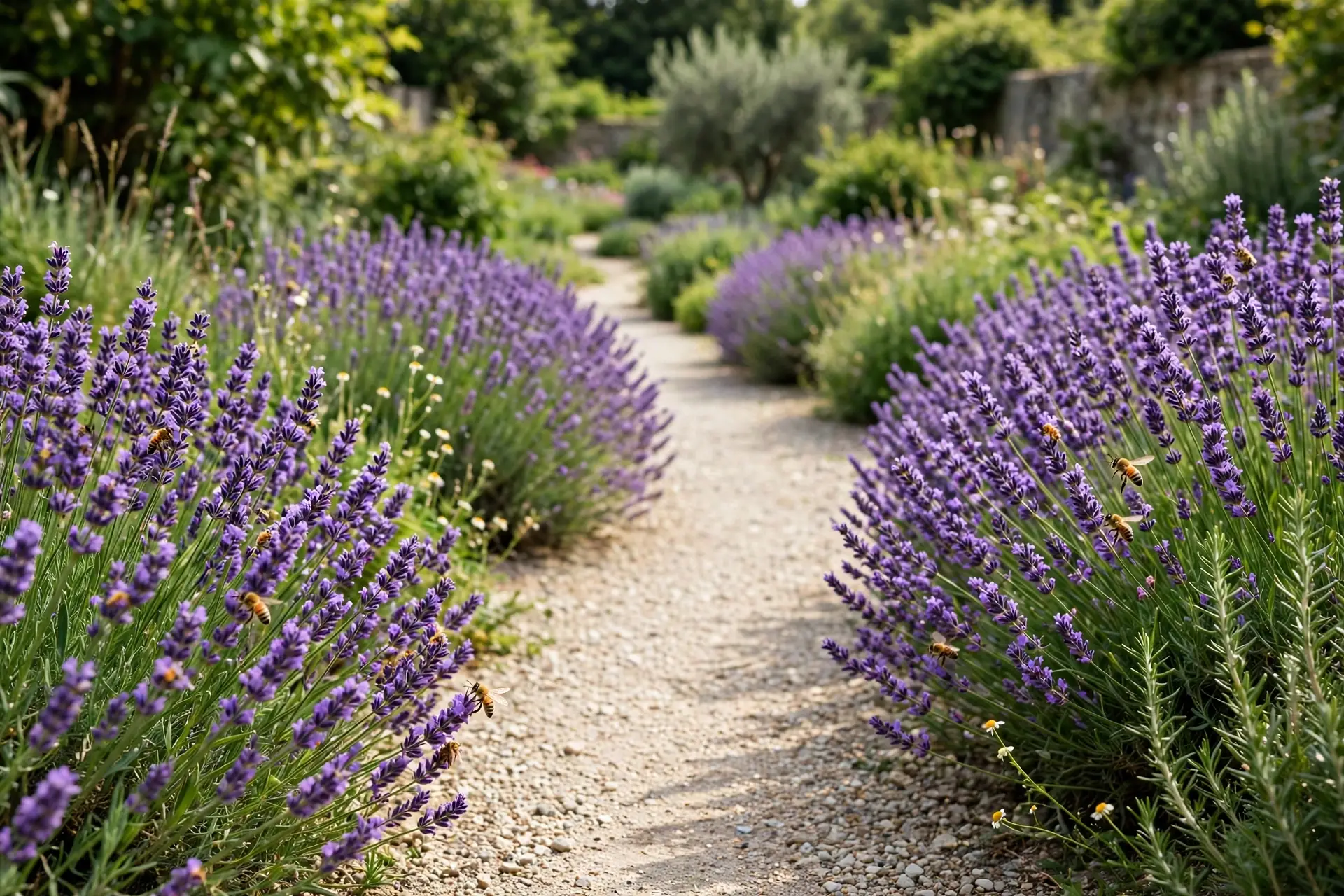
A rain garden catches roof runoff in a planted dip, watering your plants for you. Native sedges thrive there. Best for: downspouts — dig a shallow bowl.
23. Use Bark and Wood Chips
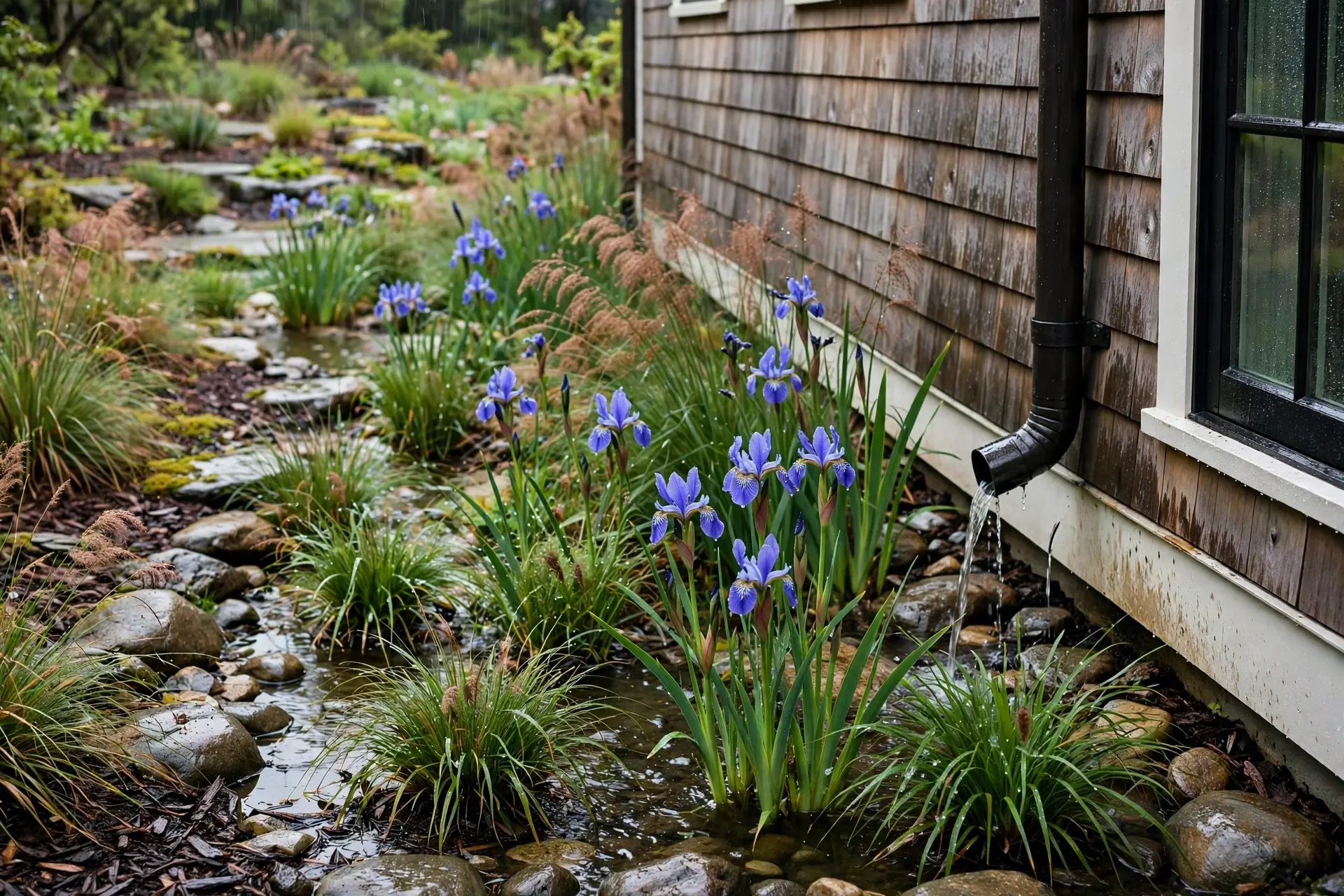
Bark and wood chips turn bare soil into a tidy, weed-free surface that feeds the ground as it rots down. They suit paths and beds. Best for: shady beds — refresh every year.
24. Create Zones With Pathways
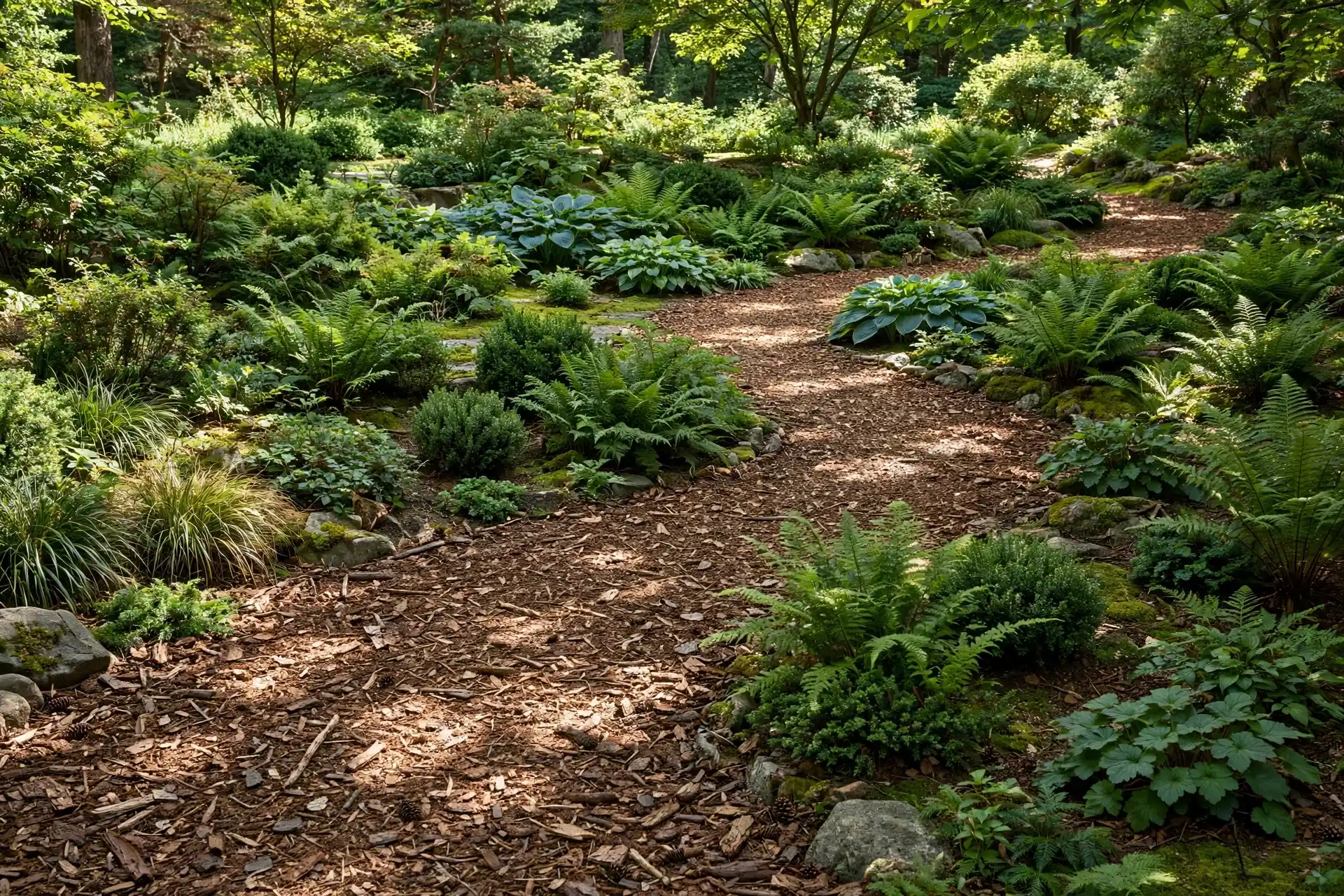
Clear zones for sitting, planting, and play make a yard feel designed and easier to care for. Paths link them, cutting mowing. Best for: large yards — plan zones first.
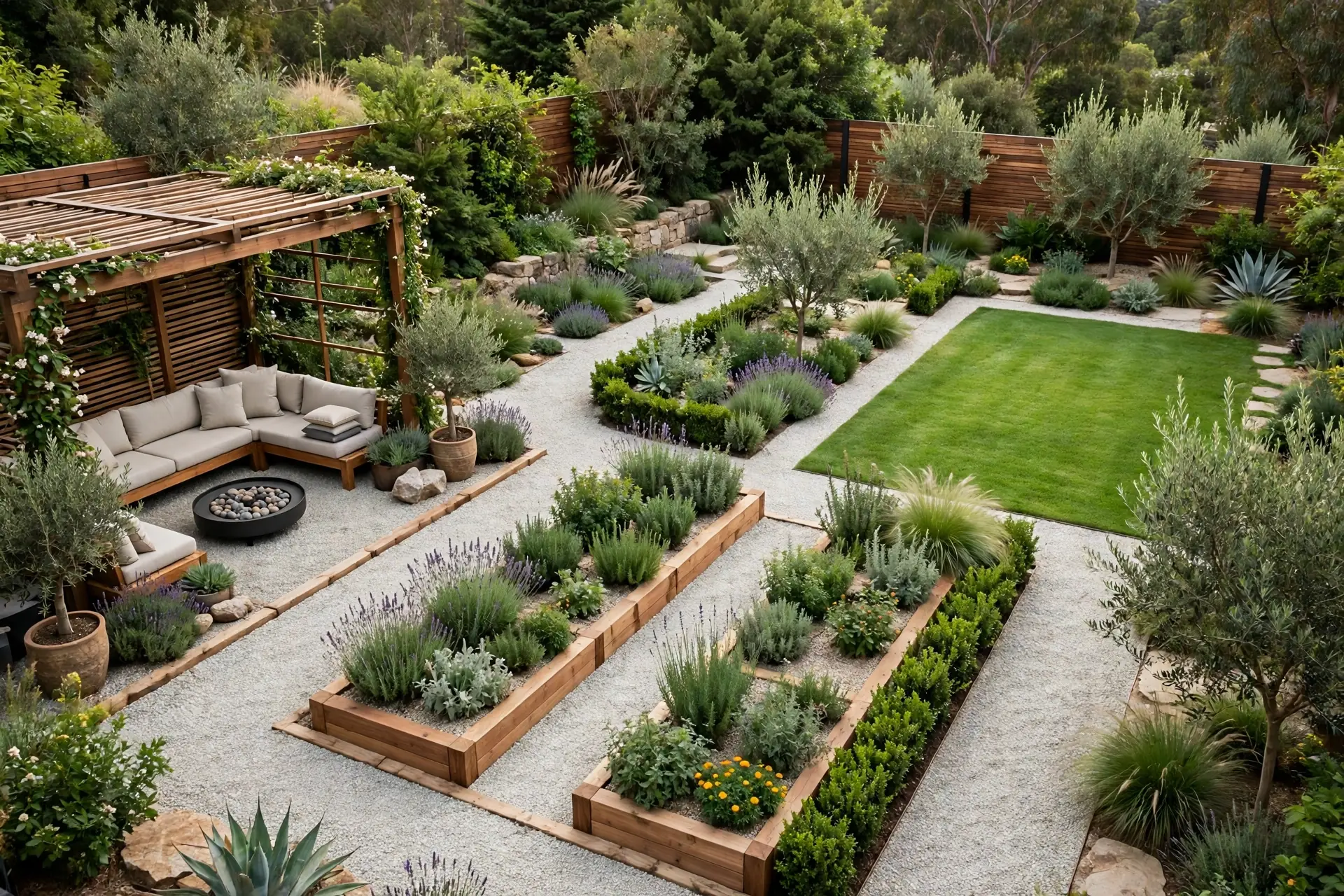
25. Add a Fire Pit Area
A gravel fire pit area replaces lawn with a gathering spot needing no watering or mowing. Add chairs for a new season outdoors. Best for: evenings — keep it clear of trees.
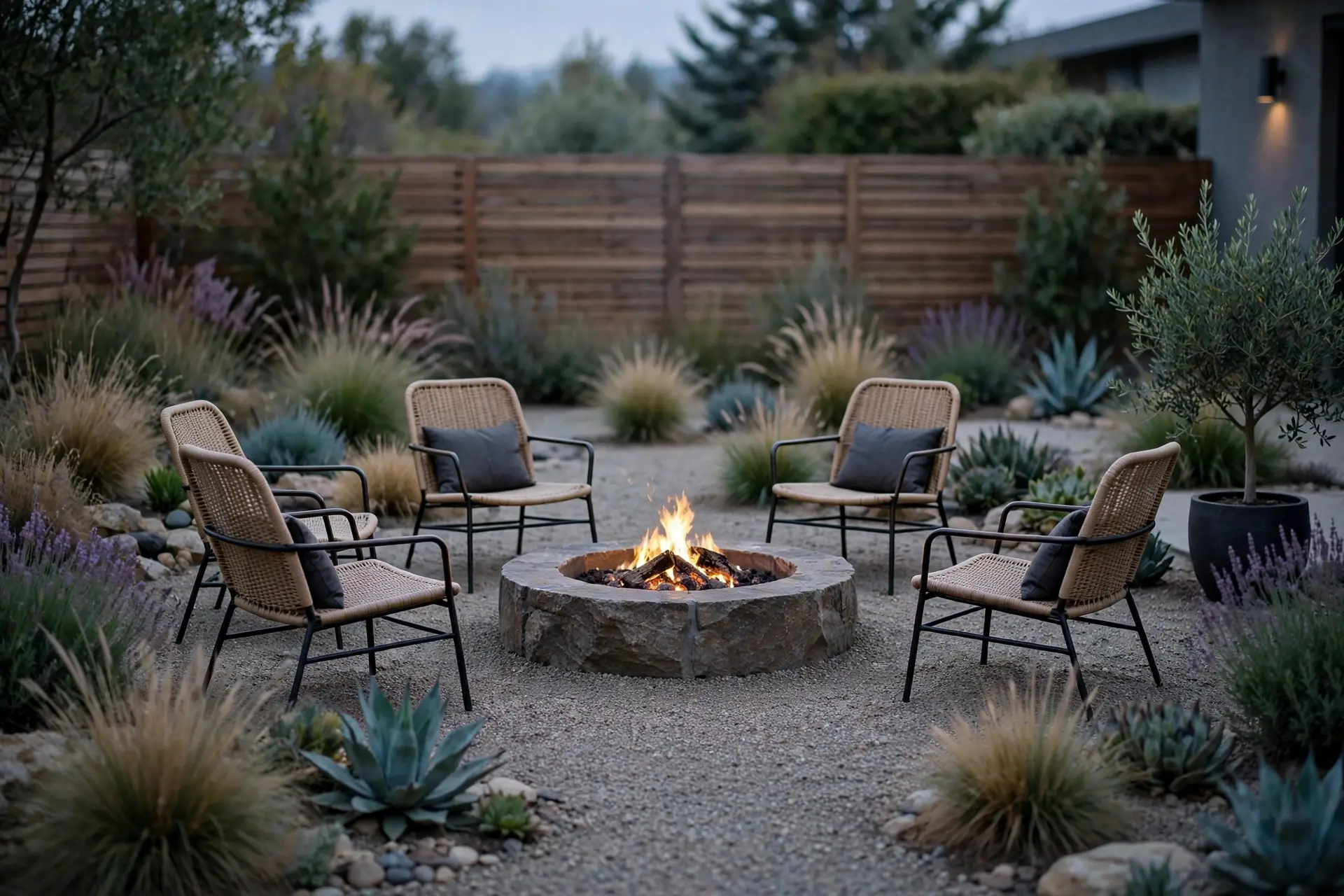
26. Plant Shade-Loving Hostas
Hostas fill shady corners with lush leaves and need only a spring tidy-up. They crowd out weeds and return bigger yearly. Best for: shade — mulch well in spring.
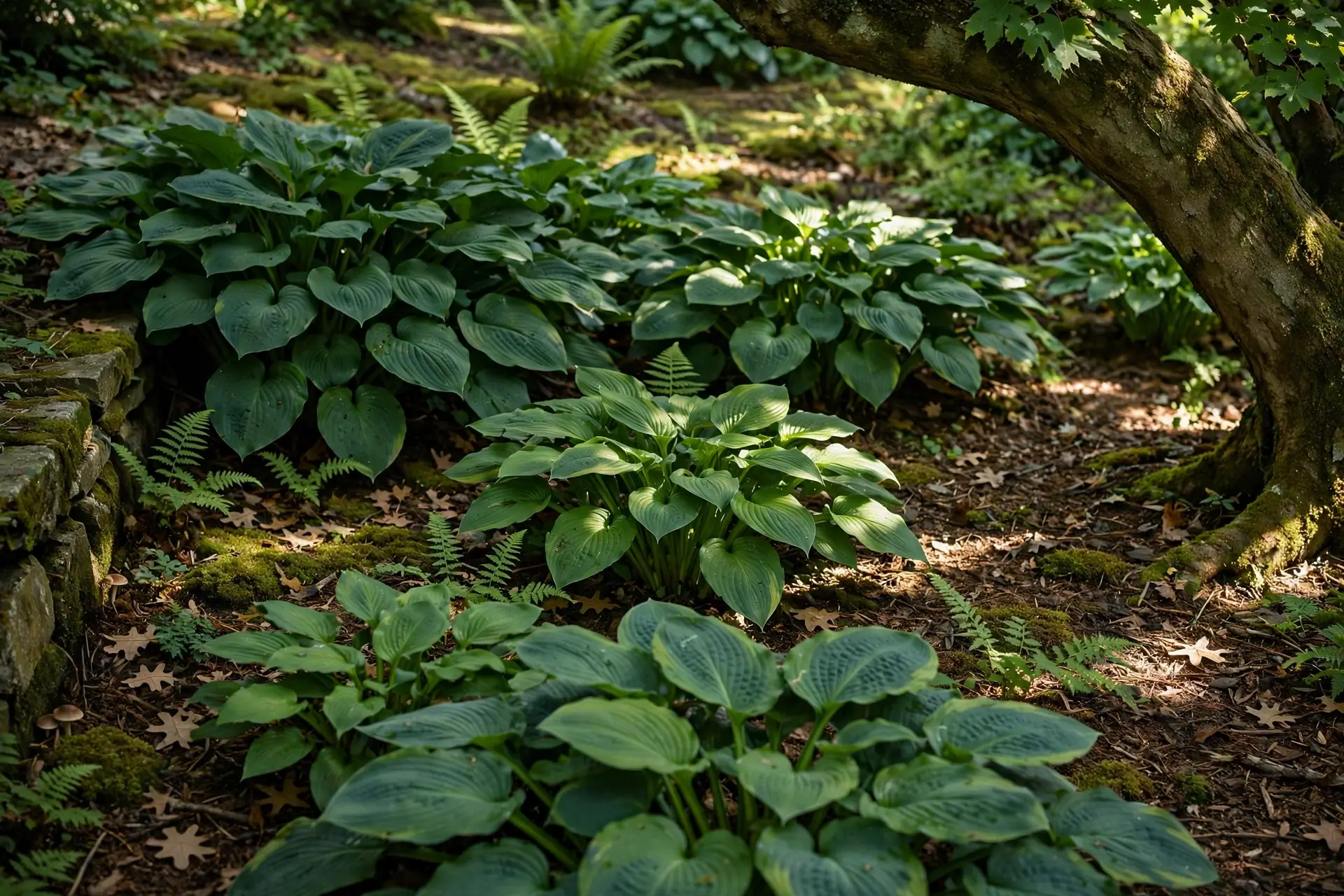
27. Add Solar Path Lights
Solar path lights charge by day and glow by night with no wiring, batteries, or bills. They make evening paths safe. Best for: paths — place in full sun.
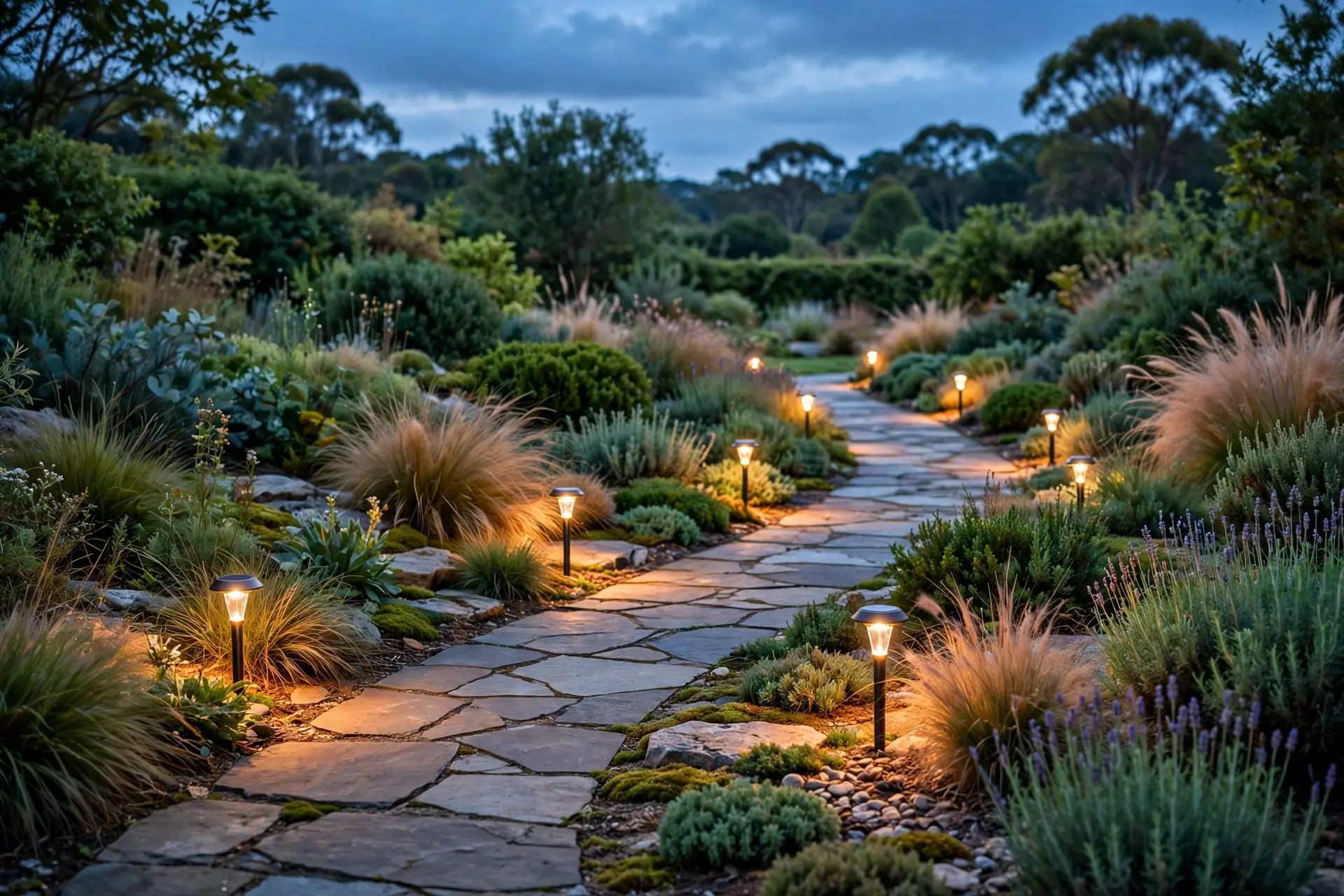
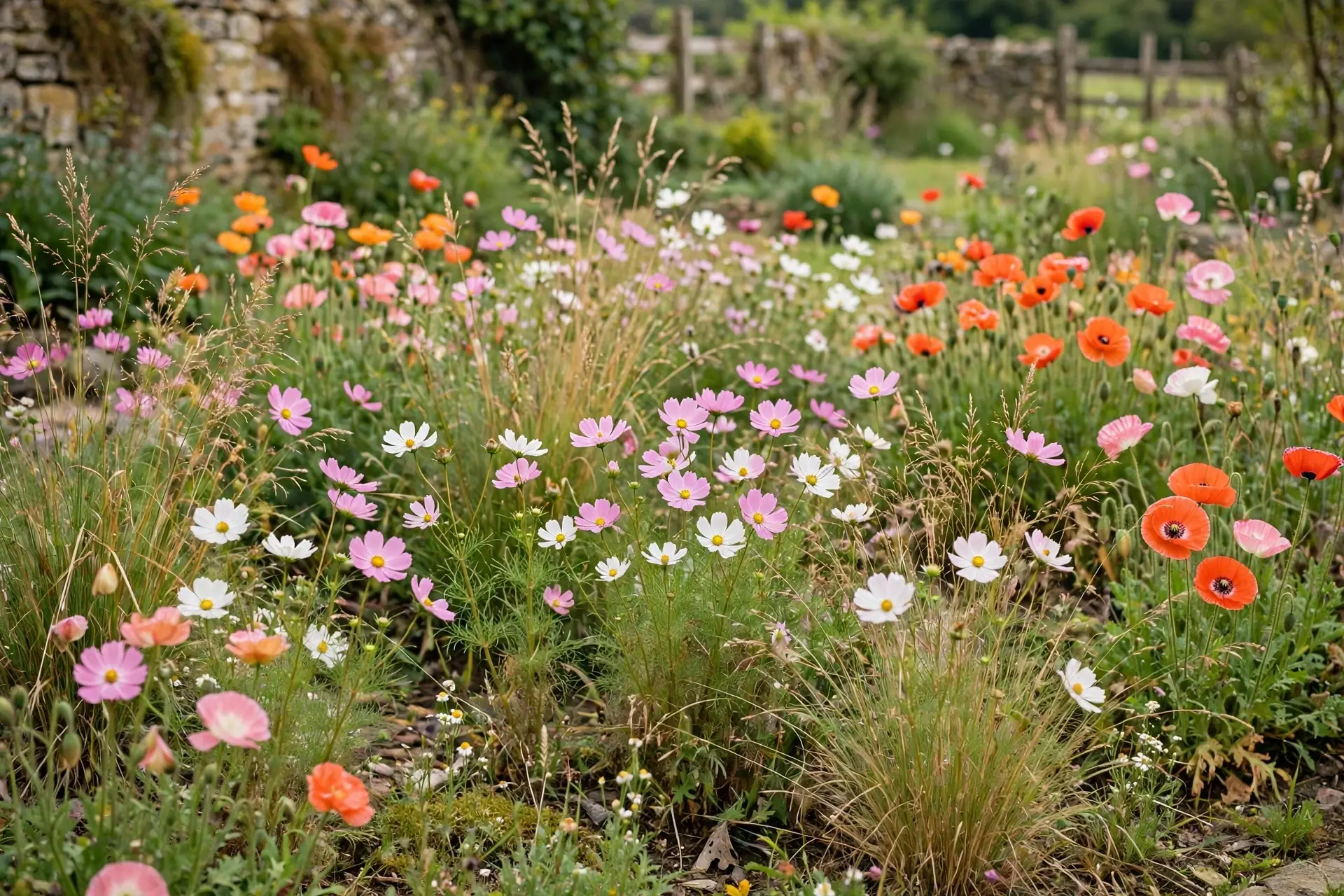
28. Choose Self-Seeding Flowers
Self-seeding flowers like cosmos and poppies return on their own each year. Let them drop seed and enjoy free color. Best for: cottage beds — leave seed heads.
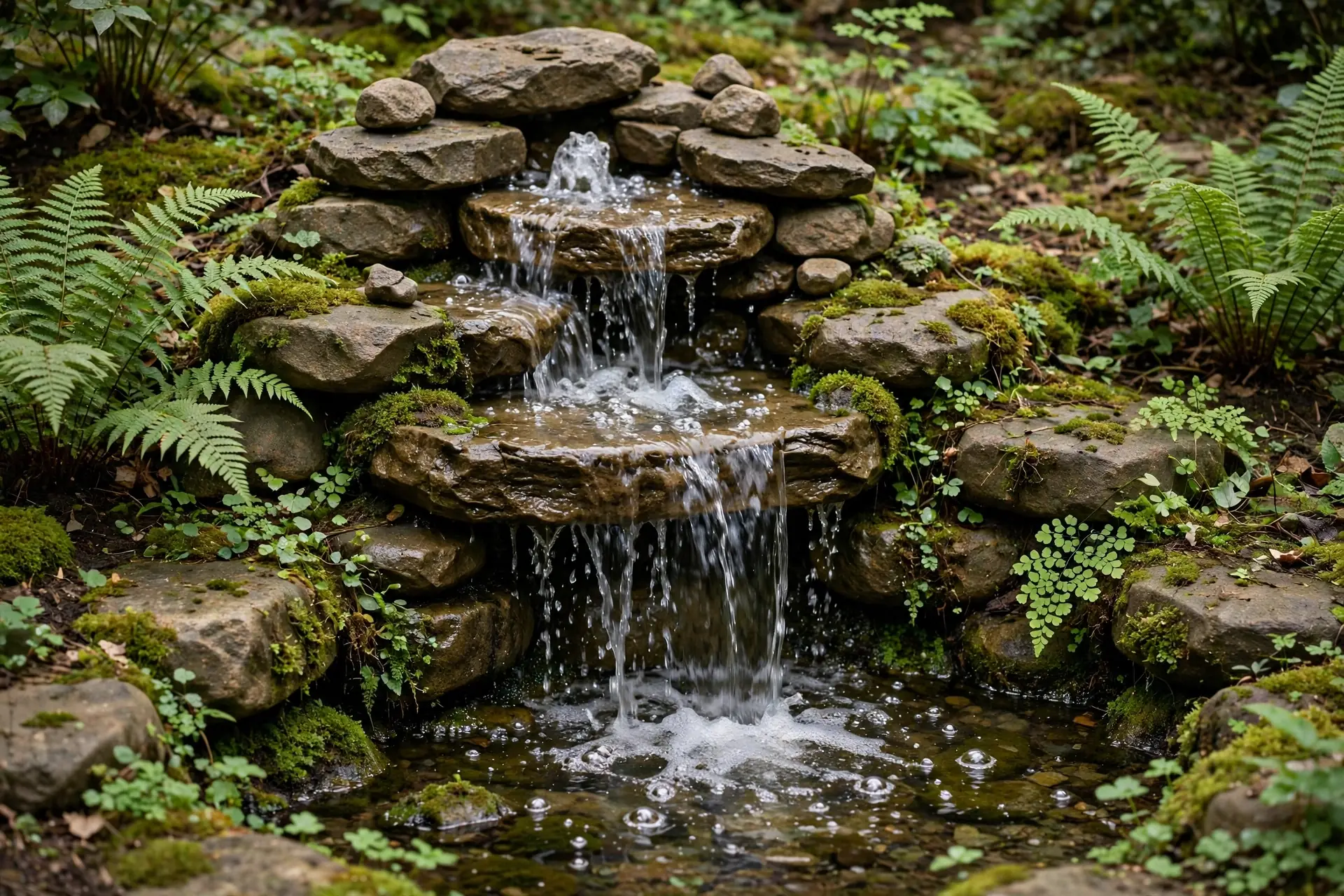
29. Add a Bubbling Rock Fountain
A bubbling rock fountain adds sound and movement with a small pump and reservoir. It recycles its own water. Best for: quiet corners — hide pump access.
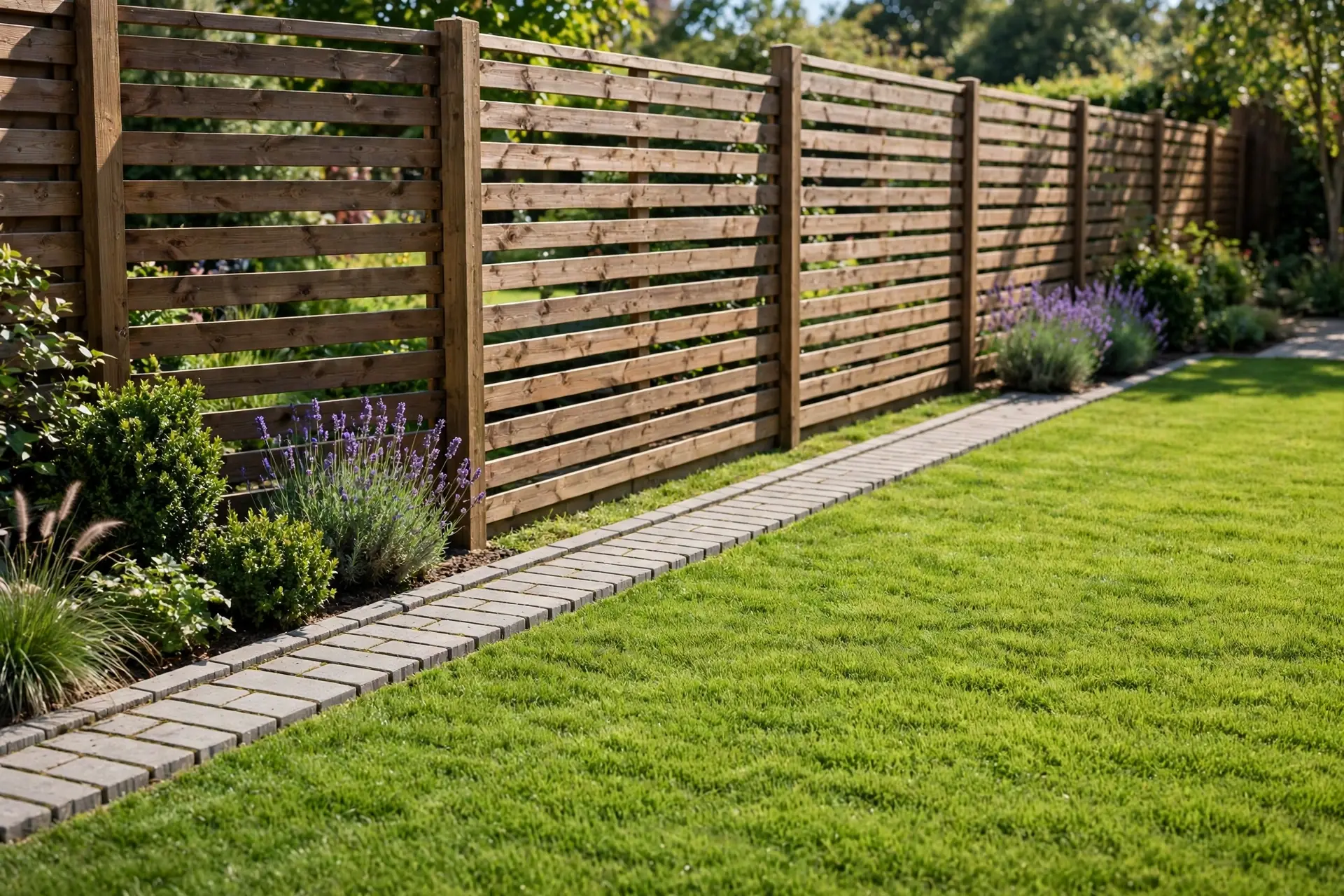
30. Keep a Mowing Strip
A flat mowing strip of pavers along fences lets the mower wheel run straight. It ends hand-trimming and keeps edges crisp. Best for: fence lines — lay it level.
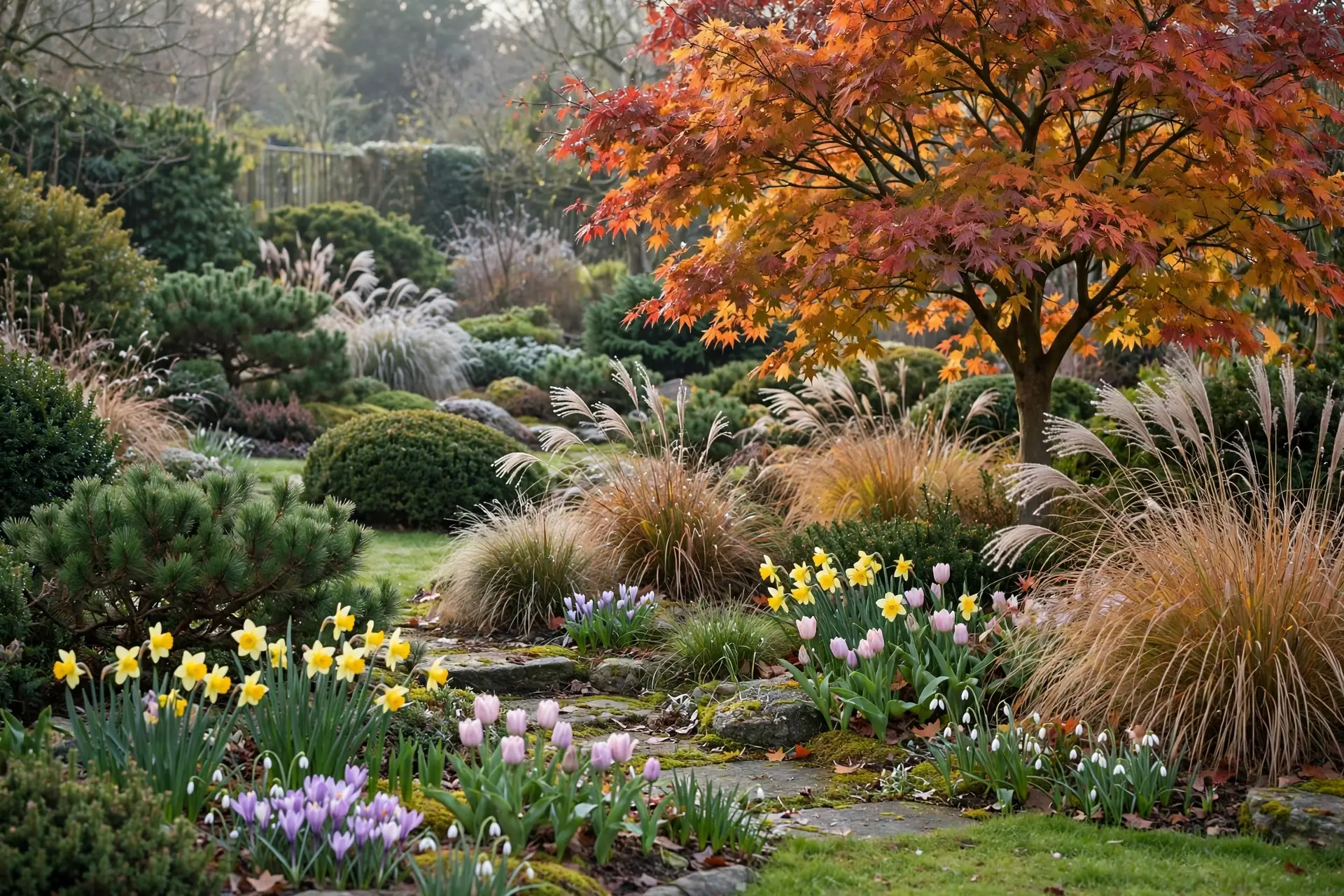
31. Plan for All Four Seasons
A four-season plan mixes evergreens, bulbs, grasses, and autumn color, so the yard never looks bare. One planting day pays off all year. Best for: every yard — sketch first.
How much does low maintenance landscaping cost?
Costs vary widely, but many low maintenance changes are cheap: mulch, groundcover, and self-seeding flowers cost little, while gravel, pavers, and drip irrigation cost more up front. The savings come later, since you spend less on water, mowing, and replanting. Plan first, buy once, and expand over time as funds allow.
What plants need the least care?
Native perennials, ornamental grasses, evergreen shrubs, succulents, sedum, and lavender need the least care in most yards. They suit local soil and weather, so they need little water or feeding once established. Choose plants rated for your climate zone and avoid fussy plants that demand constant pruning. Mulch well at planting.
Can I have a low maintenance yard without gravel?
Yes, you can build a low maintenance yard without any gravel. Use groundcover plants, thick mulch, large planters, and lawn alternatives like clover or buffalo grass instead. Stone edging, stepping stones, and bark paths give structure without stone mulch, and the goal of less mowing and weeding is met just as well.
How do I keep weeds down with almost no work?
Stop weeds before they start by covering bare soil with thick mulch, groundcover, or gravel, since weeds need light to sprout. Edge beds with stone so grass cannot creep in, and pull any weeds while they are small and the soil is damp. Dense planting leaves no empty soil — the simplest long-term weed control.
Is artificial turf a good low maintenance choice?
Artificial turf is a good low maintenance choice for small yards, play areas, and pet runs where real grass struggles. It needs no mowing, watering, or feeding, and it stays green all year. It does get hot in summer sun and needs occasional brushing and rinsing, so choose a quality product with good drainage.
How do I make my yard look good in winter?
Winter interest comes from evergreen shrubs, ornamental grasses left standing, and features like stone edging, a fire pit, or a fountain. Add red-stemmed dogwood or berrying shrubs for color against bare branches. Leave seed heads for birds and texture, then cut grasses back once in early spring. Keep paths clear and lights working.
Start with one easy change — mulch a bed, plant lavender, or lay stepping stones — and let the yard get simpler. For more expert inspiration, see LawnStarter’s low-maintenance landscaping ideas.
